Ukraine said it will ask the United States to clarify the details of a Russian proposal for a short ceasefire next week, President Volodymyr Zelenskiy said on Thursday.
What Was Proposed
U.S. President Donald Trump spoke with Russian President Vladimir Putin on Wednesday and told reporters they had discussed a plan for "a little bit of a ceasefire." Kremlin spokesman Dmitry Peskov later said the proposed truce would cover May 9 — Russia's Victory Day — though the exact timing had not been finalised.
Kyiv Seeks More Than a Pause
Mr. Zelenskiy urged Washington to seek clarification on whether the proposal amounts to "a few hours of security for a parade in Moscow, or something more." On X, he emphasised that "Our proposal is a long-term ceasefire, reliable and guaranteed security for people, and a lasting peace. Ukraine is ready to work toward this in any dignified and effective format."
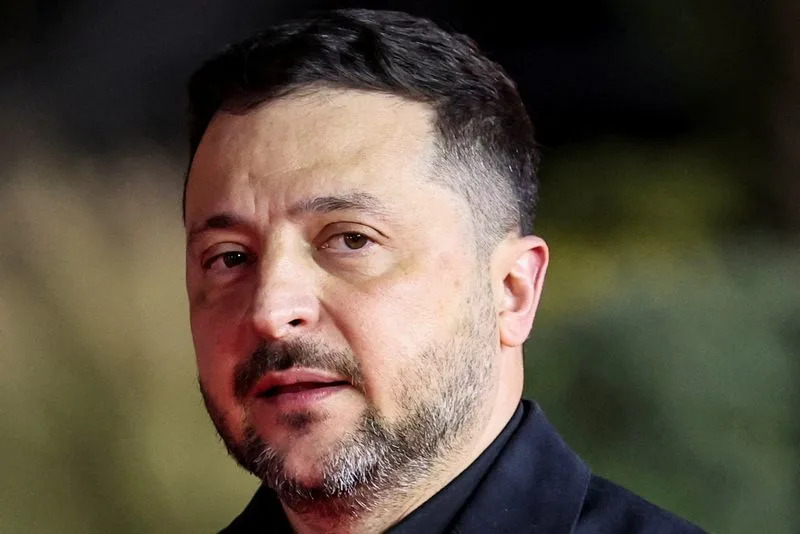
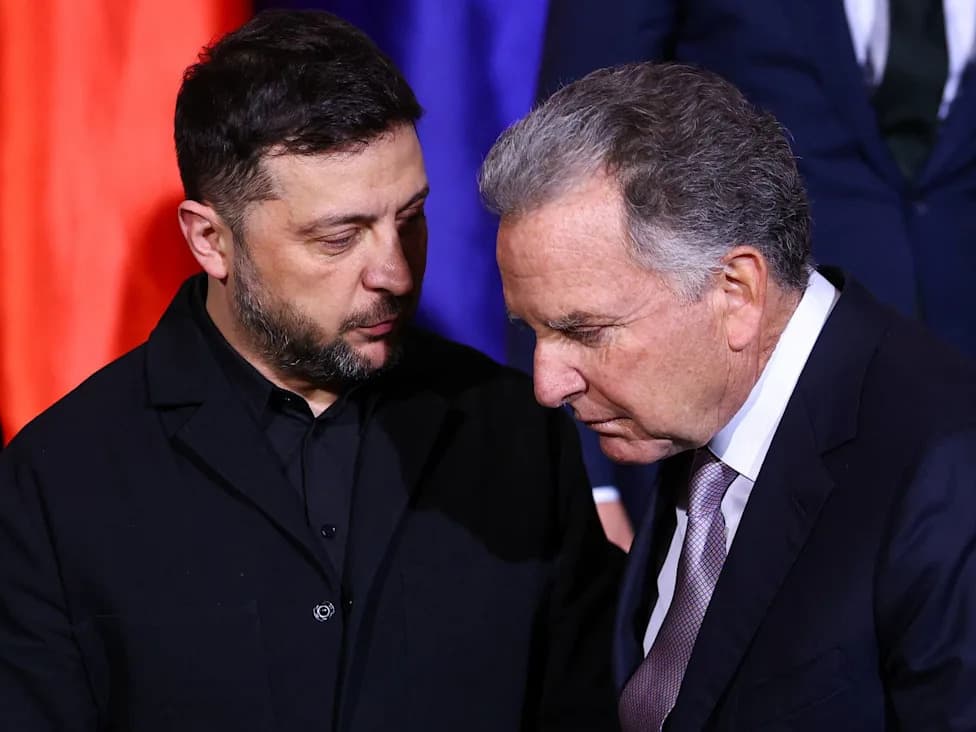
Ukraine's President Volodymyr Zelenskiy arrives to attend an informal European leaders' summit in Ayia Napa, Cyprus April 23, 2026. REUTERS/Yiannis Kourtoglou
Zelenskiy: "We will clarify what exactly this is about — a few hours of security for a parade in Moscow, or something more."
Background And Context
Last year, President Putin declared a 72-hour ceasefire to mark the 80th anniversary of victory in Europe; Kyiv rejected it as a ruse and accused Moscow of repeatedly violating its own truce. The Kremlin says this year's Red Square parade will be smaller and without the usual display of weaponry, citing a so-called terrorist threat from Ukraine after Kyiv stepped up strikes into Russian territory.
The proposed timing is sensitive: May 9 is a major public holiday in Russia commemorating the defeat of Nazi Germany in World War Two. The Soviet Union, which included both modern-day Russia and Ukraine, suffered around 27 million deaths in that conflict — far more than any other country.
Peskov said Mr. Putin had decided the latest proposed ceasefire would go ahead and indicated some kind of response from Kyiv was expected. Ukraine, however, has insisted it will only consider agreements that provide lasting security and verifiable guarantees for civilians.
Reporting by Anna Pruchnicka and Mark Trevelyan; editing by Gareth Jones.