President Donald Trump has ordered aides to prepare for an extended naval blockade of Iran after Tehran offered phased talks that Washington judged insufficient. The U.S. demands immediate surrender of Iran’s highly enriched uranium and a 20-year suspension of enrichment. Officials say the blockade is intended to squeeze Iran economically, but it risks a prolonged standoff, continued U.S. deployments, and higher global energy prices — a political liability ahead of November’s midterms.
Trump Readies Risky, Prolonged Blockade of Iran as Talks Stall
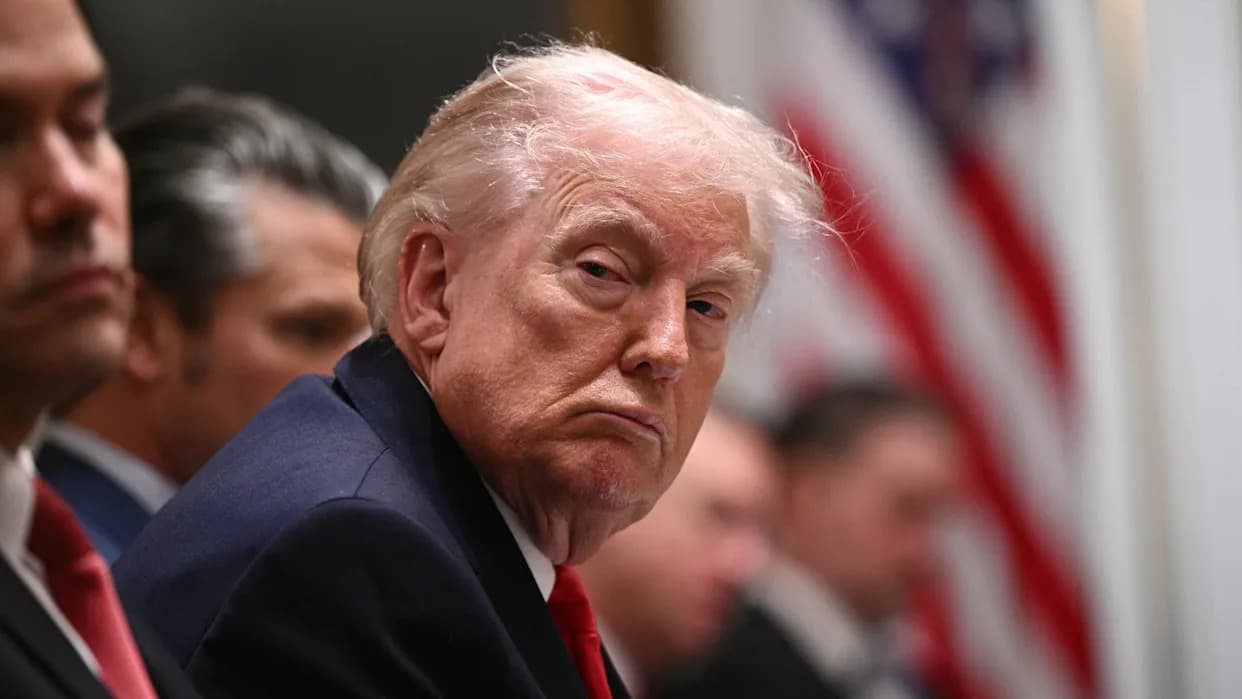
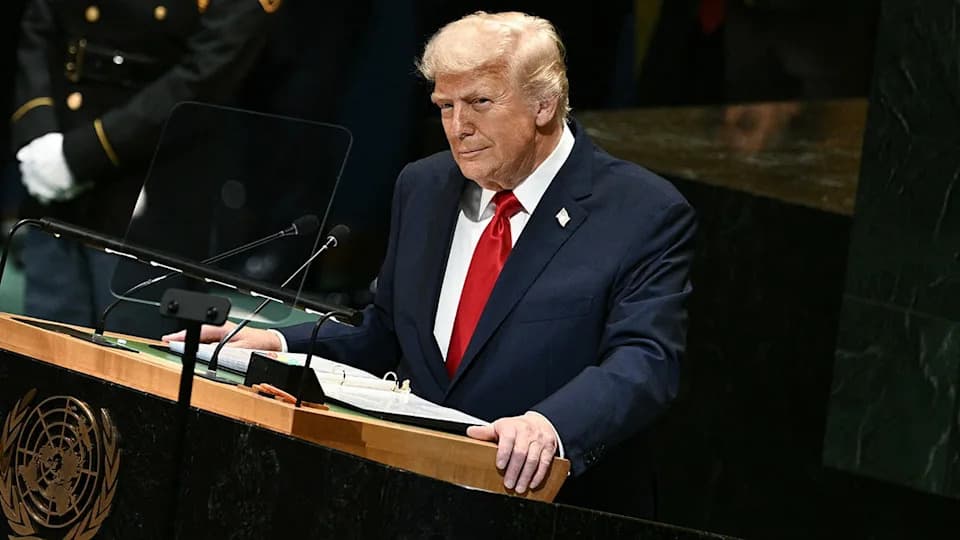
BRENDAN SMIALOWSKI / AFP via Getty Images(BRENDAN SMIALOWSKI)
President Donald Trump has told senior aides to prepare for a prolonged and potentially hazardous naval blockade of Iran as part of a U.S. effort to compel Tehran to abandon its nuclear program for the foreseeable future.
Iran has proposed a three-stage negotiation: an initial round to secure a permanent end to hostilities, a second phase to reopen the Strait of Hormuz to shipping, and a final stage to address the country’s nuclear activities. The administration, however, insists that Iran first surrender its stockpile of highly enriched uranium and pledge to suspend enrichment for at least 20 years.
According to reporting in The Wall Street Journal, Trump told aides during a Situation Room meeting that Tehran’s phased offer showed it was not negotiating in good faith. With peace talks stalled, he decided to maintain restrictions on shipping to and from Iranian ports and to continue disrupting Iranian oil exports to squeeze the regime economically until it agrees to end its nuclear program.
U.S. officials note that Iran says it has a right to enrich uranium for civilian energy. Since the U.S. withdrawal from the 2015 Joint Comprehensive Plan of Action, Tehran has enriched uranium to levels well above what is needed for power plants and research reactors — a key source of tension in the talks.
Sources told the Journal that, after reviewing Tehran’s latest proposal, Trump judged that sustaining the blockade is less risky than the alternatives, which include renewed airstrikes or abandoning the confrontation. Still, a long-term blockade raises its own dangers: it would keep U.S. forces deployed in the region and could effectively close the Strait of Hormuz for months while both sides wait to see who yields first.
The narrow strait is a critical artery for global oil shipments, and the blockade has already acted as a choke point, sending energy prices higher. Analysts warn that continued disruption to oil flows and elevated gasoline prices could damage Republican prospects in November’s midterm elections.
“A frozen conflict is the worst thing for Trump politically and economically,” a person close to the president told Axios. Another adviser described the president as “frustrated but realistic,” according to the report.
White House spokeswoman Anna Kelly told The Wall Street Journal that U.S. forces have met Operation Epic Fury’s military objectives and that, “thanks to the successful blockade of Iranian ports, the United States has maximum leverage over the regime” in negotiations to prevent Tehran from obtaining a nuclear weapon. “The president will only accept a deal that protects the national security of our country,” she added.
The White House and several news outlets, including The Daily Beast, have been contacted for additional comment.
Help us improve.