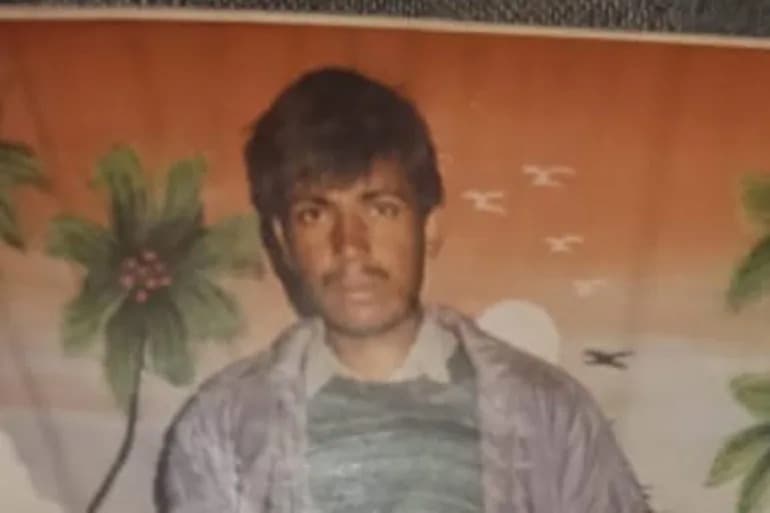
Rashid Ahmad Mughal was about six years old when militants burst into his family home in Chunt Waliwar village, Ganderbal district, on a bitter January night in 2000. That raid left the family bereaved: 23-year-old Ishfaq was shot and his body taken away by the attackers, denying the family the chance to perform last rites.
Residents said Rashid was the only college graduate in his village [Al Jazeera]
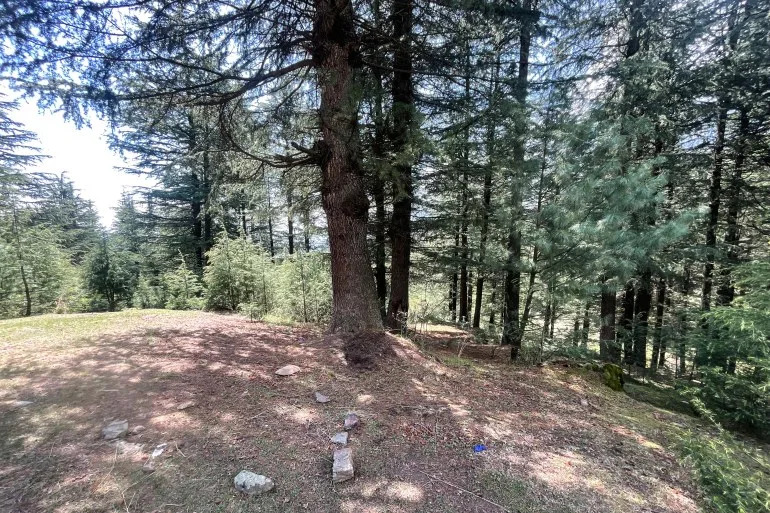
More than two decades later the Mughal family was struck again. On March 31 this year, 32-year-old Rashid was killed in an army operation in the Arahama area of Ganderbal. The army says he died in an exchange of fire with militants; residents and the family call the killing a "fake encounter" — an alleged staged extrajudicial killing — and say his body was buried some 80km away in Kupwara to prevent protests.
The site where Rashid was killed in an ‘encounter’ with the Indian army [Al Jazeera]
What the Family Says
Only Rashid's elder brother Ajaz was permitted to attend the burial. Ajaz says he identified Rashid by his feet because his face was mutilated. The family disputes the army narrative, saying Rashid was a civilian who worked to help illiterate villagers obtain government documents and had no militant record.
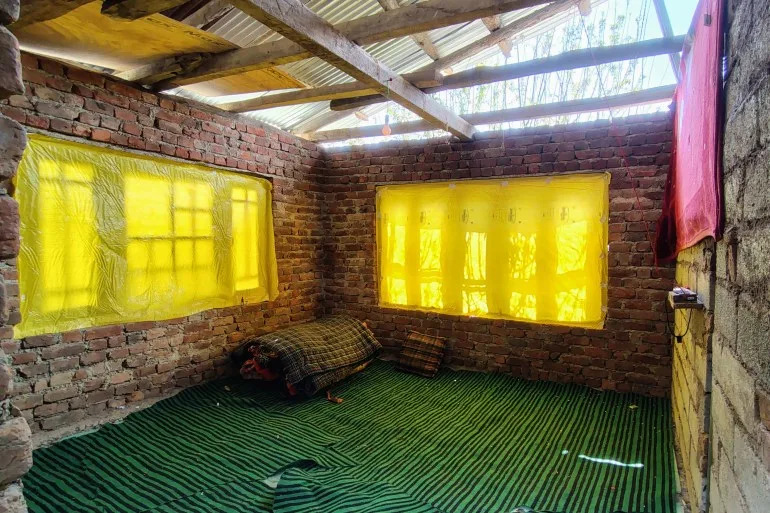
Rashid’s room at their house in Chunt Waliwar village, Ganderbal, Kashmir [Al Jazeera]
"We were absolutely devastated. How did my brother, who was a civilian until the day before, suddenly become a militant?" — Ajaz Ahmad Mughal
Earlier Loss: Ishfaq (2000)
When armed men entered the Mughals' house in 2000 they were looking for Ishfaq, who the family acknowledged worked with Indian forces. The attackers killed him and carried away his body; the family still awaits the return of his remains so they can perform Islamic funeral rites and find closure.
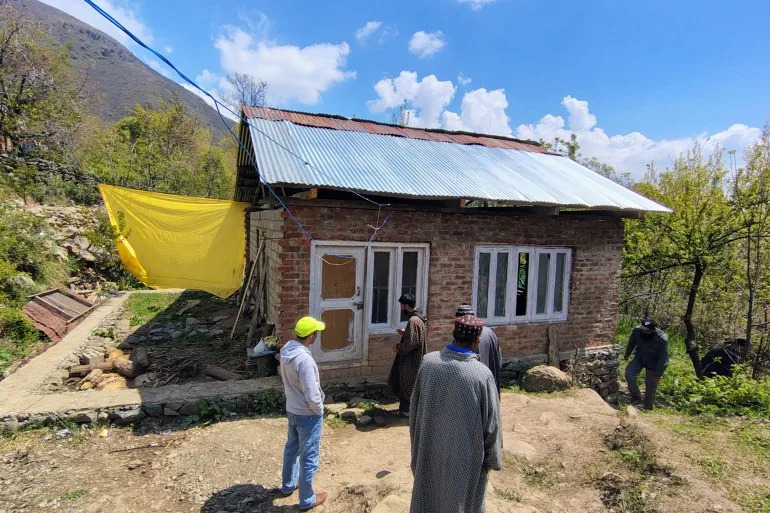
The house of the Mughals in Chunt Waliwar village [Al Jazeera]
Broader Context
The Mughal family belongs to Kashmir's Gujjar community, a nomadic Muslim tribal group that historically cooperated with the Indian state. Over time that relationship has frayed: since the 2019 abrogation of Article 370 and other policy shifts, Gujjars have reported increased pressure, including alleged encounters, arrests, quota changes and eviction drives.
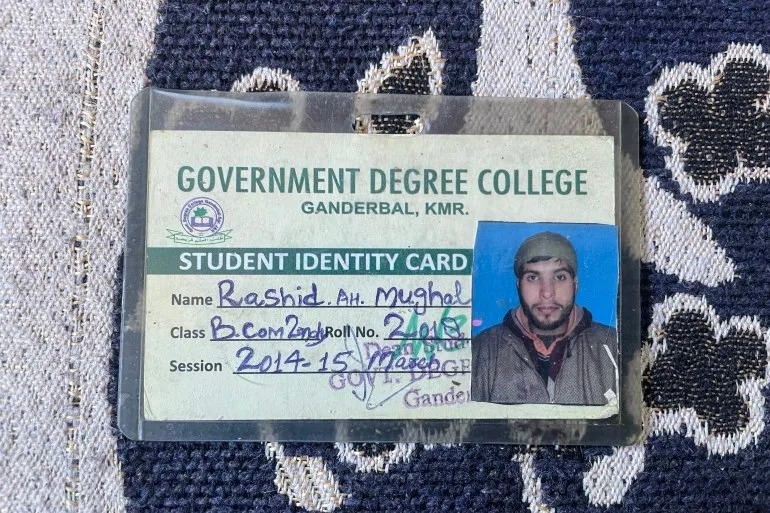
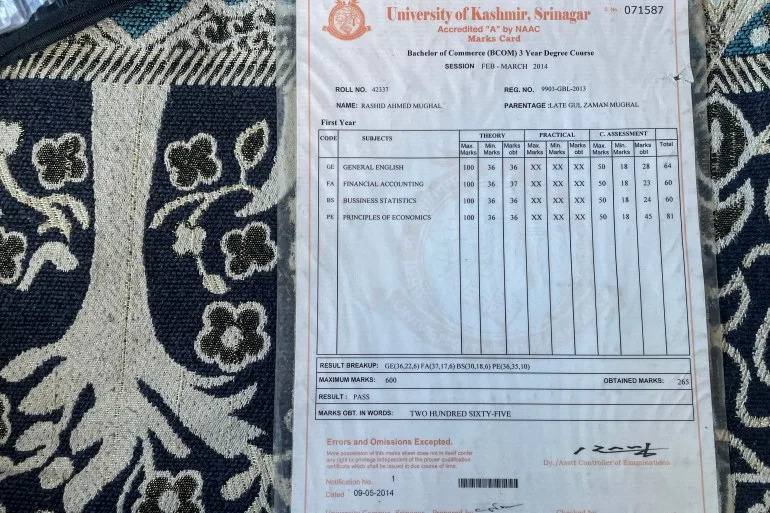
The commerce degree marksheet of Rashid Ahmad Mughal [Al Jazeera]
Human rights groups and experts point to persistent issues in Kashmir: alleged extrajudicial killings, custodial deaths, and impunity aided by laws such as the Armed Forces (Jammu and Kashmir) Special Powers Act (AFSPA) and restrictions on prosecuting security personnel. Rights organisations cite numerous probe-ordered cases that produced little accountability.
Official Response And Probe
The New Delhi-appointed governor ordered a magisterial inquiry and said it would conclude within seven days; nearly a month later the report has not been published. A police official told reporters that returning Rashid's body to the family would depend on the magistrate's findings. The family remains sceptical, pointing to a history of inconclusive local probes.
Calls For Accountability
Rights experts and campaigners call for independent, time-bound judicial inquiries answerable to higher courts rather than internal or local bureaucratic probes. They argue that meaningful investigations and the ability to prosecute security personnel are essential for justice and lasting stability in the region.
In their own words: Naseema, Rashid's sister, said the family has prepared a grave for him and will bury him at home so he 'feels close' to them — a small solace in a long, unresolved grief that began more than 26 years ago.