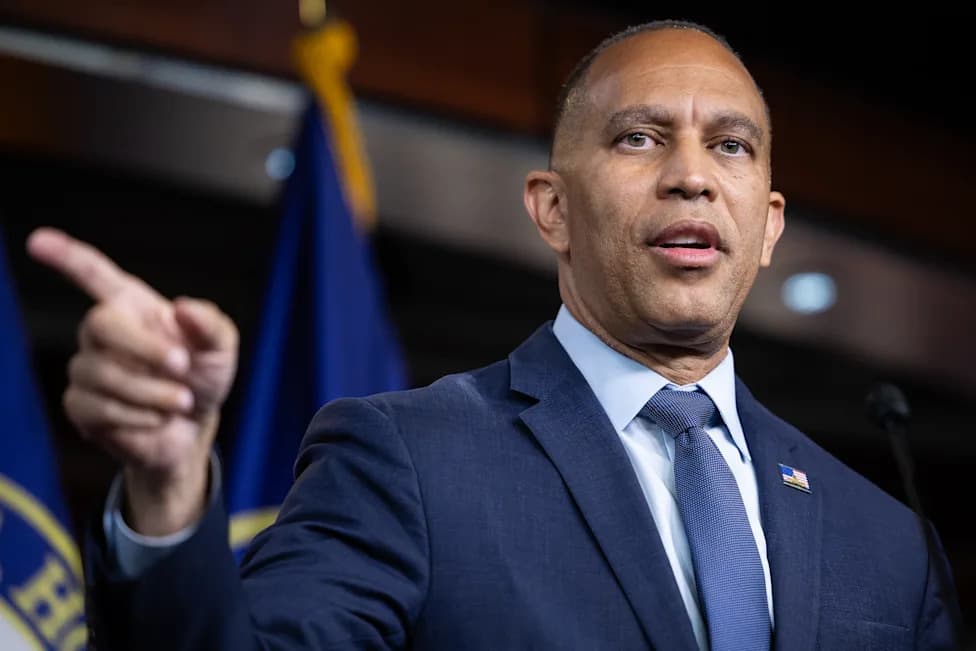
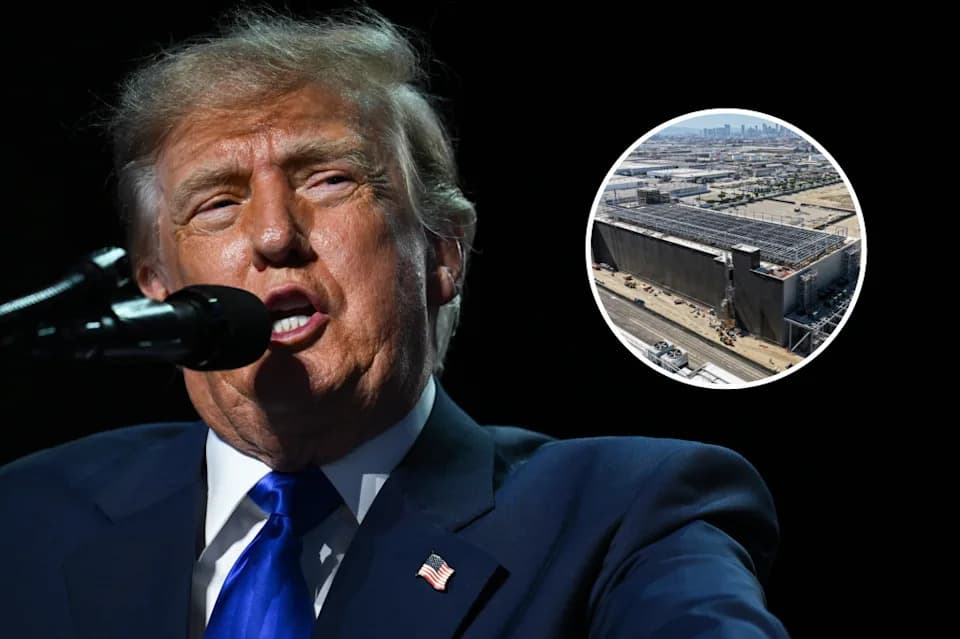
The GOP’s message of lowering everyday costs ahead of the 2026 midterms is being challenged by an AI-driven shortage of memory chips, which industry forecasts say could see roughly 70% of high-end memory chips diverted to AI data centers. That squeeze is contributing to higher prices for laptops, smartphones and autos — and to weaker smartphone shipments. Republicans call for expanded production and CHIPS Act reforms, while the White House points to large private investments and a mixed policy approach to boost domestic supply.
AI-Driven Chip Shortage Tests GOP’s 2026 Affordability Pitch as Prices Rise
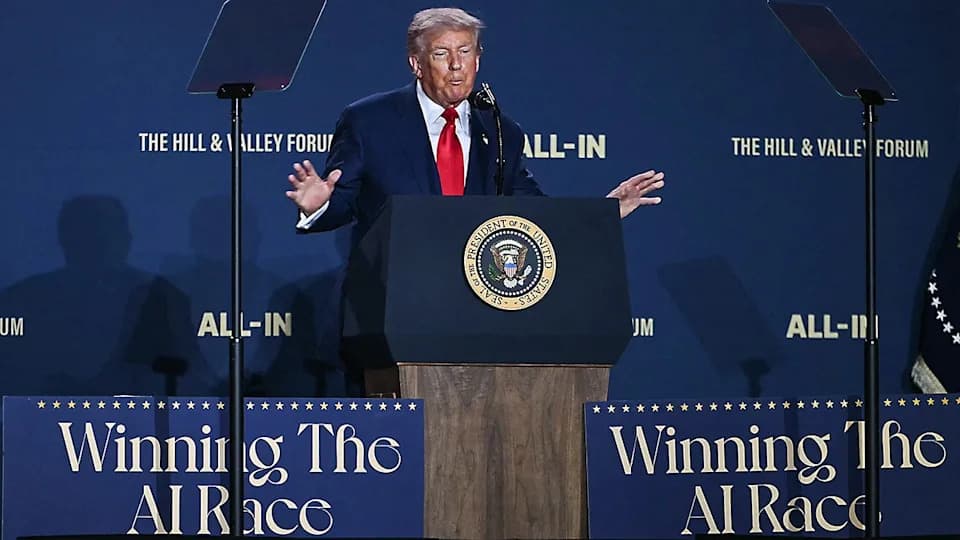
President Donald Trump delivers remarks at the "Winning the AI Race" AI Summit at the Andrew W. Mellon Auditorium in Washington, D.C., on July 23, 2025.(Getty Images)
Republican leaders warn that an AI-driven surge in demand for memory chips is straining their central 2026 campaign message on affordability, as shortages push up prices across consumer electronics, autos and other everyday goods.
Why The Shortage Matters
A January industry report forecast that roughly 70% of high-end memory chips produced this year could be absorbed by AI data centers, tightening supply for laptops, smartphones, autos and other downstream markets. Policymakers and industry officials say the resulting price pressure complicates Republican efforts to persuade voters they can deliver lower everyday costs ahead of the midterms.
Political And Economic Fallout
Former Rep. Patrick McHenry, a GOP policy adviser, told Fox News Digital that the chip squeeze has "secondary effects" across consumer goods and "is hurting Republicans." He pointed to rising costs in everything from handheld devices and computers to TVs, autos and even lawn equipment that now contain more chips than in the past.
"When you have a big race like we have with AI, there are secondary effects that we need to be very concerned about," McHenry said.
Republican strategists and lawmakers including Rep. Darrell Issa argue that boosting global and domestic chip production is essential both to win the AI race and to relieve upward pressure on consumer prices. Sen. Bernie Moreno warned his home state could see "immediate and severe" consequences, with automakers signaling potential assembly-line pauses if costs keep rising.
Industry Signals And Market Impact
Companies are already feeling the pinch: Microsoft cited "recent increases in memory and component costs" as a factor behind higher laptop prices, and Counterpoint Research found smartphone shipments down about 6% this year, attributing some of the softness to chip constraints.
Policy Responses And Criticism
The strain has renewed scrutiny of the bipartisan CHIPS Act, a law intended to strengthen domestic semiconductor production. McHenry called the program a "grave disappointment," arguing that taxpayers have funded incentives yet shortages persist and consumer prices remain elevated. Republicans are urging legislative fixes and faster deployment of incentives to expand domestic capacity.
The White House, through spokesman Kush Desai, said the administration recognizes the trade-offs between supporting advanced AI and keeping consumer costs in check. Desai highlighted large private-sector semiconductor investments and a "nuanced, multi-faceted" economic approach that includes tariffs, deregulation and tax incentives as steps to bolster domestic production.
Industry leaders — Samsung, SK Hynix and Micron — were contacted for comment.
What To Watch Next
Policymakers and manufacturers will be closely watched for new capacity announcements, production-expansion timelines and any legislative changes to the CHIPS program. How quickly supply can scale to meet both AI and consumer demand will influence prices and may shape political narratives heading into the 2026 midterms.
Help us improve.