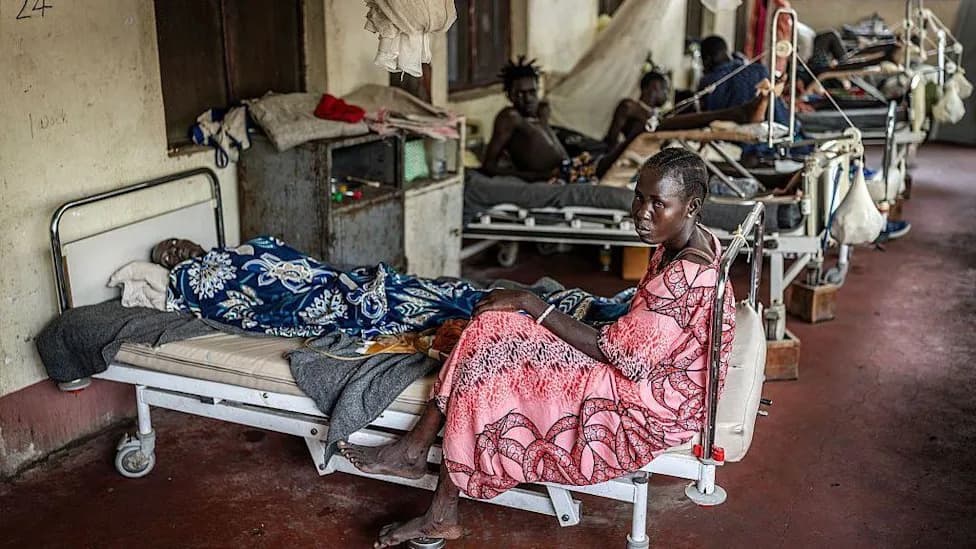
Dr. Jamal Eltaeb, a 54‑year‑old orthopedic surgeon, kept Al Nao hospital in Omdurman running through three years of frontline fighting by staying when most staff fled and improvising care under bombardment. The hospital endured multiple strikes, power outages and critical shortages; on one day the team triaged over 100 wounded and performed emergency amputations under local anesthetic. Eltaeb received the $1 million Aurora Prize and donated part of the award, but Al Nao still needs about $40,000 per month to continue operating as many Sudan hospitals remain damaged or offline.
Holding the Line: How One Surgeon Kept an Omdurman Hospital Running Amid Sudan's War
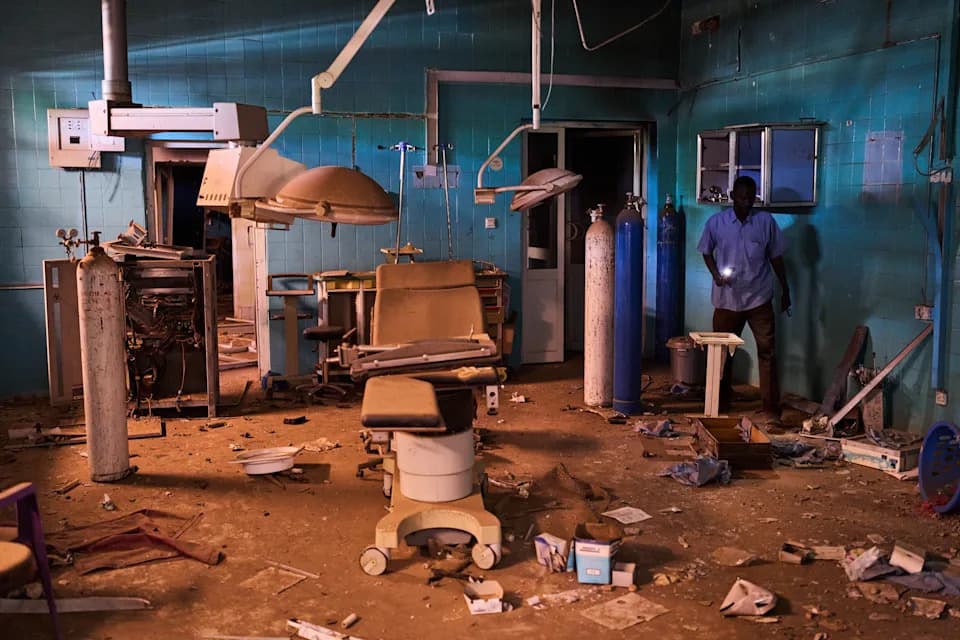
A guard walks through a war-damaged section of Al Shaabi Hospital in Khartoum, Saturday, April 18, 2026. (AP Photo/Bernat Armangue)(ASSOCIATED PRESS)
OMDURMAN, Sudan — For three years, Dr. Jamal Eltaeb faced agonizing, daily choices: who to treat first, whether to operate without full supplies and how to keep lights on when fuel and electricity vanished. As fighting surrounded Khartoum, he chose to stay and keep Al Nao hospital functioning.
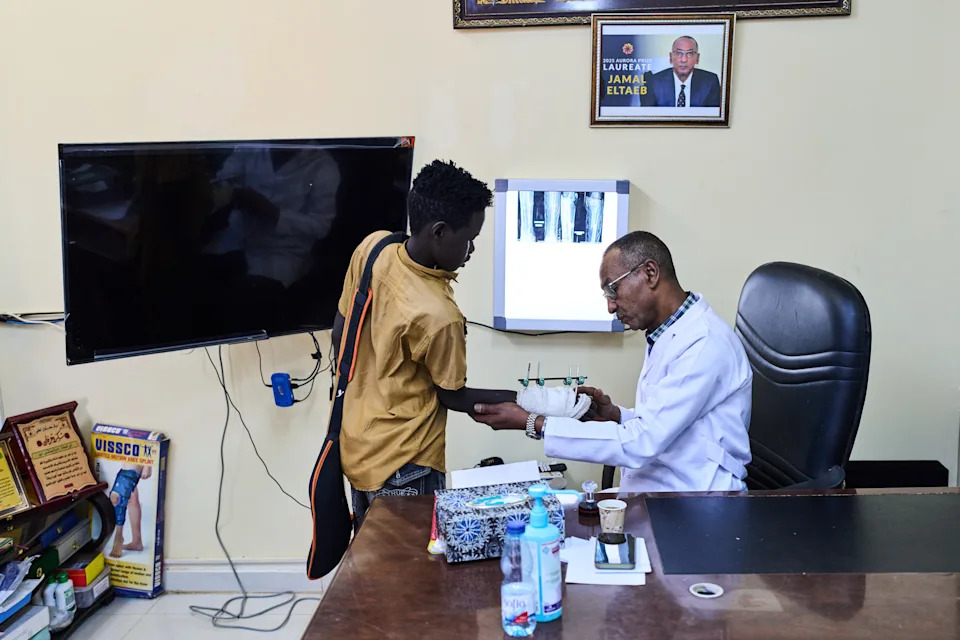
Dr. Jamal Eltaeb checks a patient at Al Nao Hospital in Omdurman, on the outskirts of Khartoum, Saturday, April 18, 2026. (AP Photo/Bernat Armangue)(ASSOCIATED PRESS)
Frontline Medicine
Eltaeb, a 54‑year‑old orthopedic surgeon, ran Al Nao on the outskirts of Khartoum as control of the city shifted between Sudan’s army and the paramilitary Rapid Support Forces (RSF). The hospital was struck by explosive attacks multiple times, medical stocks dwindled and power was often out for weeks. When his previous hospital closed after the war began in April 2023, he moved to Al Nao. By July, most staff had fled; he remained with a small team of employees and volunteers.
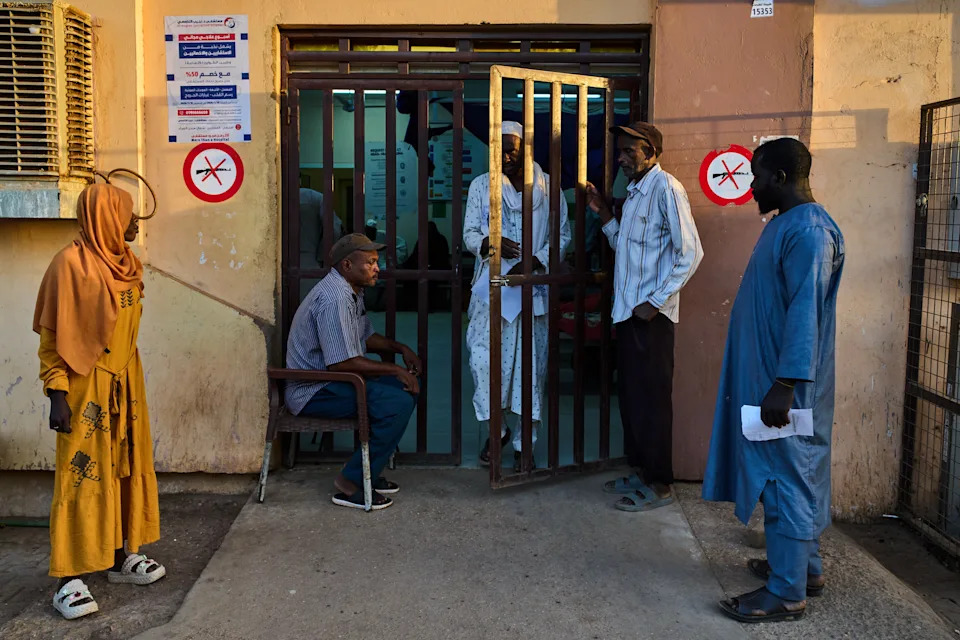
Patients wait at Al Nao Hospital in Omdurman, on the outskirts of Khartoum, Saturday, April 18, 2026. (AP Photo/Bernat Armangue)(ASSOCIATED PRESS)
Improvisation Under Fire
With generators dependent on fuel provided intermittently by the army and supplies scarce, staff improvised: volunteers scoured the city for medicines, pharmacists opened long‑closed shops and handed over keys so supplies could be taken free of charge, and donors overseas provided remote medical advice. The remaining team fashioned beds and crutches from wood and used clothing as makeshift splints and gauze.
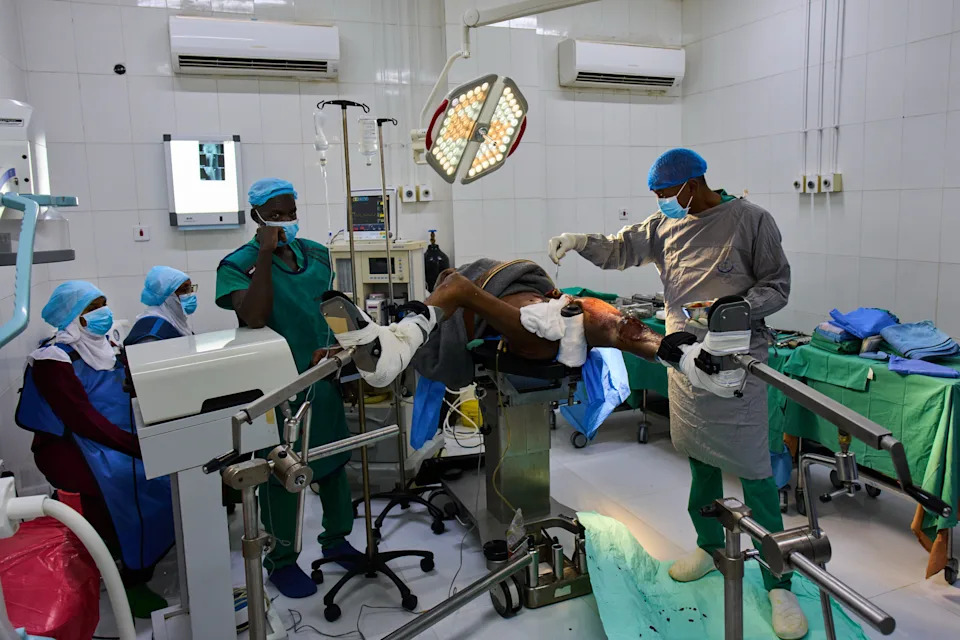
Dr. Jamal Eltaeb operates a patient at Al Nao Hospital in Omdurman, on the outskirts of Khartoum, Monday, April 20, 2026. (AP Photo/Bernat Armangue)(ASSOCIATED PRESS)
“We were working everywhere, in tents, outside, on the floor, doing everything to save patients’ lives,” Eltaeb said, pointing to a shattered window where a relative of a patient was killed and the last tent that once held mass casualties.
Mass Casualty Days
On a harrowing day in late 2024, the team triaged more than 100 wounded after a strike on a nearby market; eight of the wounded died. With no time to transfer some children to a fully equipped operating room and without general anesthesia, Eltaeb performed amputations under local anesthetic — removing an arm and a leg from a 9‑year‑old boy and a leg from his 11‑year‑old sister.
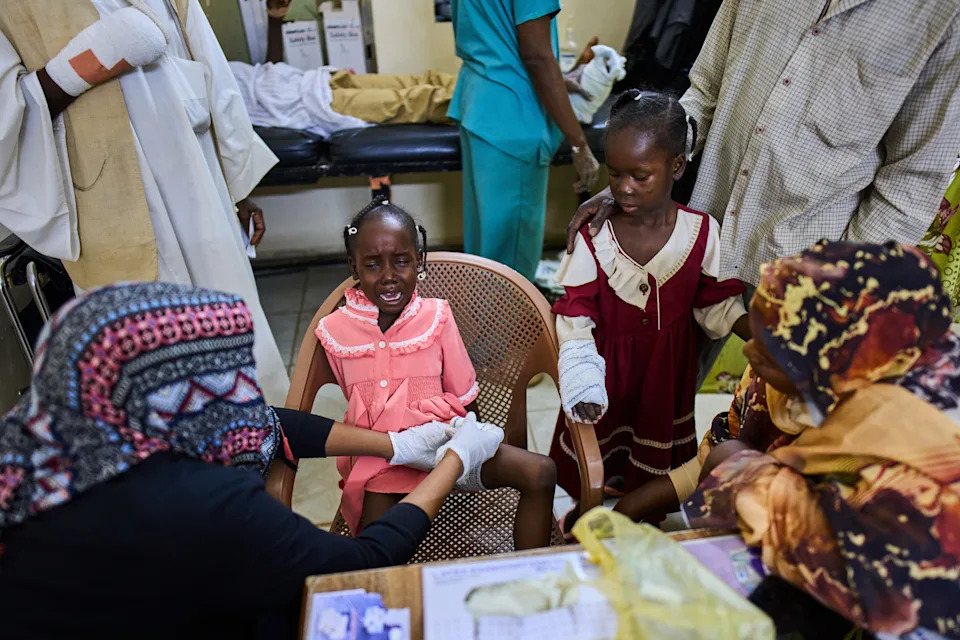
A nurse bandages a young patient injured by an unexploded ordnance blast at Al Nao Hospital in Omdurman, on the outskirts of Khartoum, Saturday, April 18, 2026. (AP Photo/Bernat Armangue)(ASSOCIATED PRESS)
Recognition and Ongoing Needs
Eltaeb received the $1 million Aurora Prize for Awakening Humanity for risking his life to save others and donated portions of the award to medical and humanitarian organizations. Despite that recognition, Al Nao remains short of sustainable funding: Eltaeb says there is enough money to cover salaries and generators through June, but the hospital needs roughly $40,000 per month to operate.
Wider Health System Collapse
Nearly 40% of Sudan’s hospitals are nonfunctional — many looted, stripped for parts or occupied by armed groups. Some facilities were left in ruins after RSF occupation; across town, Al Shaabi hospital sits among broken equipment and scattered concrete, and officials say government contributions of several hundred thousand dollars fall far short of rebuilding needs.
For now, Al Nao remains one of the few operational health centers in the area, held together by a small group of staff, volunteers, diaspora doctors offering remote guidance and a patchwork of donations. Eltaeb says he did what he could as a doctor and as a Sudanese — keeping care alive amid near‑constant danger.
Help us improve.