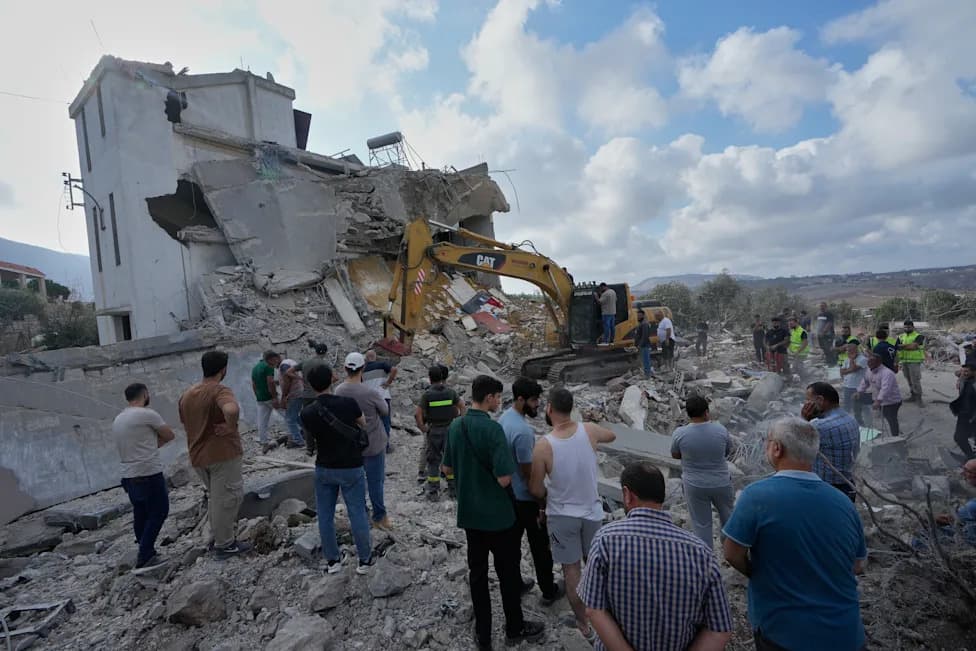
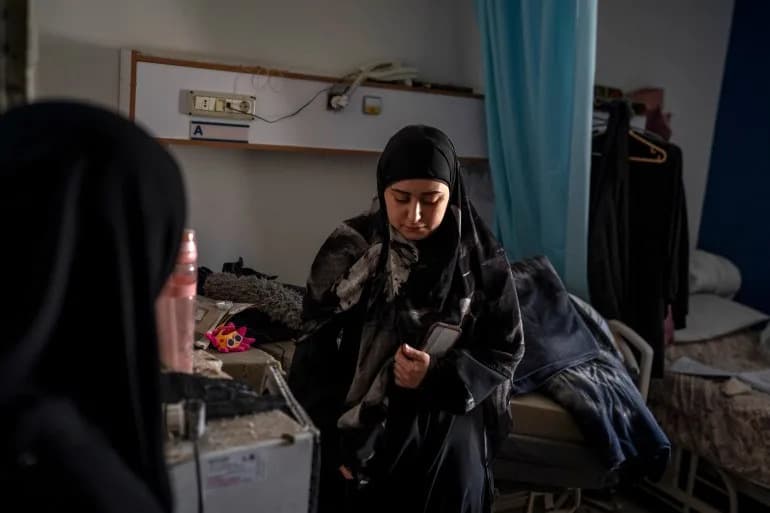
Lebanon accuses Israeli forces of committing a war crime after a strike in southern Lebanon killed Amal Khalil, a 43-year-old Al-Akhbar journalist, and reportedly delayed rescue efforts for hours. The Union of Journalists and the Lebanese Health Ministry say ambulances and Red Cross teams were prevented from reaching the scene; the IDF denies blocking rescuers and says it targets threats tied to Hezbollah. The incident comes as diplomats meet in Washington to discuss extending the April 16 ceasefire.
Lebanon Accuses Israel Of War Crime After Journalist Amal Khalil Is Killed; Rescuers Reportedly Blocked
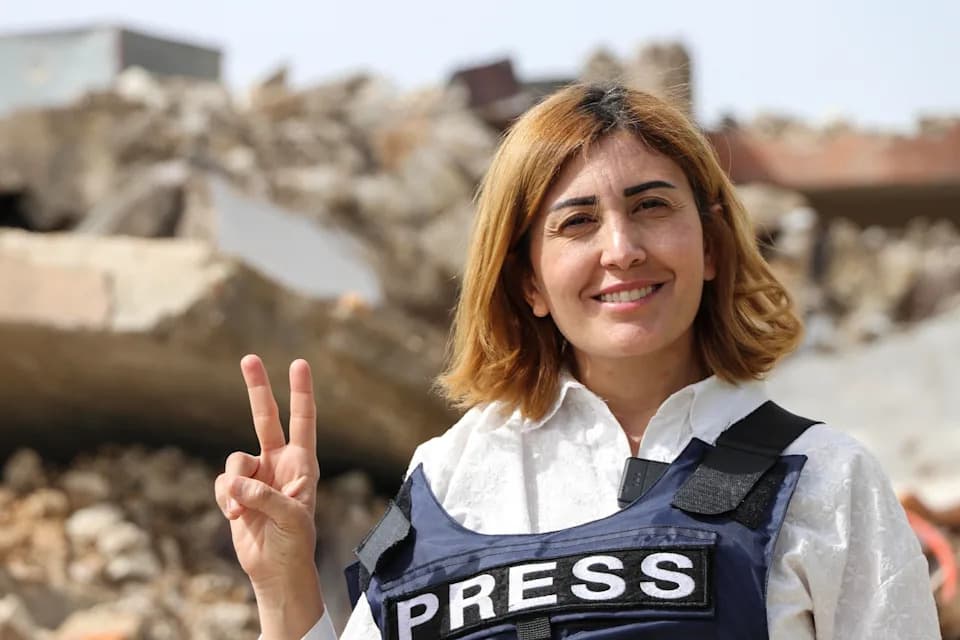
Amal Khalil, a veteran correspondent for the daily newspaper Al-Akhbar, is seen in the southern Lebanese border village of Jebbayn in 2024. / Credit: AFP via Getty Images
Lebanon's government accused Israeli forces of committing a war crime after an Israeli strike in southern Lebanon killed Amal Khalil, a 43-year-old reporter for the Lebanese newspaper Al-Akhbar, and wounded photojournalist Zeinab Faraj. Lebanese officials and press groups say rescuers were prevented from reaching the site for hours.
Sequence Of Events
According to the Union of Journalists, a drone strike first hit a car near the town of Al-Tayri, killing two civilians and later striking the journalists' vehicle. The union and the Lebanese Health Ministry say Khalil and Faraj then took shelter in a nearby building, which was struck about two hours later.
The Union of Journalists and the Health Ministry say ambulance crews and Red Cross teams were denied access; the ministry alleges a stun grenade was thrown at an ambulance and that the vehicle came under fire, preventing rescuers from reaching Khalil "for nearly four hours." Rescue teams were able to evacuate Faraj and recover two other bodies from the scene.
Official Responses
Lebanese Prime Minister Nawaf Salam posted on social media condemning the attack and accusing Israel of a deliberate pattern of targeting media workers. The Health Ministry described the episode as a "blatant double violation," alleging both obstruction of rescue efforts and an attack on a Red Cross ambulance.
The Israel Defense Forces said it "does not target journalists and acts to mitigate harm to them while maintaining the safety and security of its troops." In a statement the IDF said it had identified and targeted two vehicles it said left "a military structure used by Hezbollah" and approached Israeli troops in a way that posed an immediate threat. The IDF has not publicly acknowledged Khalil's death.
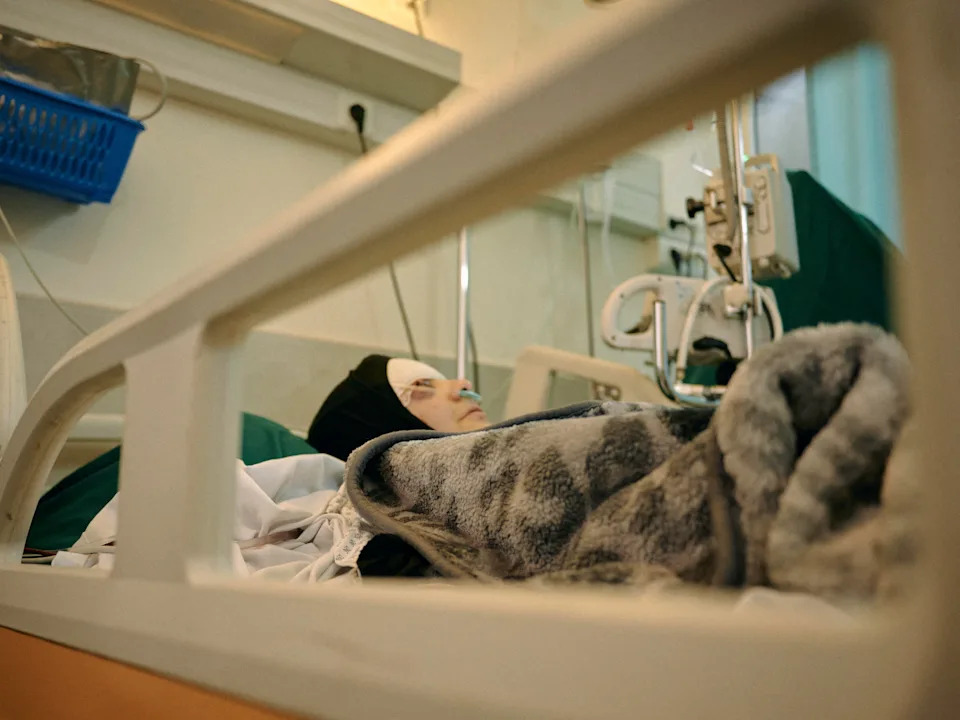
Journalist Zeinab Faraj, 21, is seen in her hospital bed in Tibnine, Lebanon, April 23, 2026. / Credit: Benoît Durand/Hans Lucas/AFP via Getty Images
Press Groups And Wider Context
Reporters Without Borders said it contacted the Israeli army requesting that ambulances be allowed through. The Committee to Protect Journalists has recorded at least 260 media workers killed since Oct. 7, 2023, the majority of them Palestinian journalists in Gaza; press-rights groups warn of rising dangers for reporters operating in the conflict zone.
"The targeting of media workers in the south while they carry out their professional duties is no longer isolated incidents, but an established approach that we condemn and reject," Prime Minister Nawaf Salam wrote.
Background And Aftermath
Earlier in 2024, Khalil and journalists' unions said she had received an "Israeli death threat" and had been warned to leave southern Lebanon; in a widely circulated video she said she had been told: "We will separate your head from your shoulders." On Thursday, mourners carried Khalil's coffin draped in a Lebanese flag through her hometown of Baysariyah, with a flak jacket and helmet placed on the casket.
The killing occurred as Israeli and Lebanese ambassadors met in Washington, D.C., to discuss the potential extension of a 10-day ceasefire signed on April 16. Both Hezbollah and the IDF have accused each other of violating the fragile ceasefire.
Reporting Note
This article summarizes claims and denials from Lebanese authorities, press groups and the Israel Defense Forces. Some details remain contested and investigations or official acknowledgements are ongoing.
Help us improve.