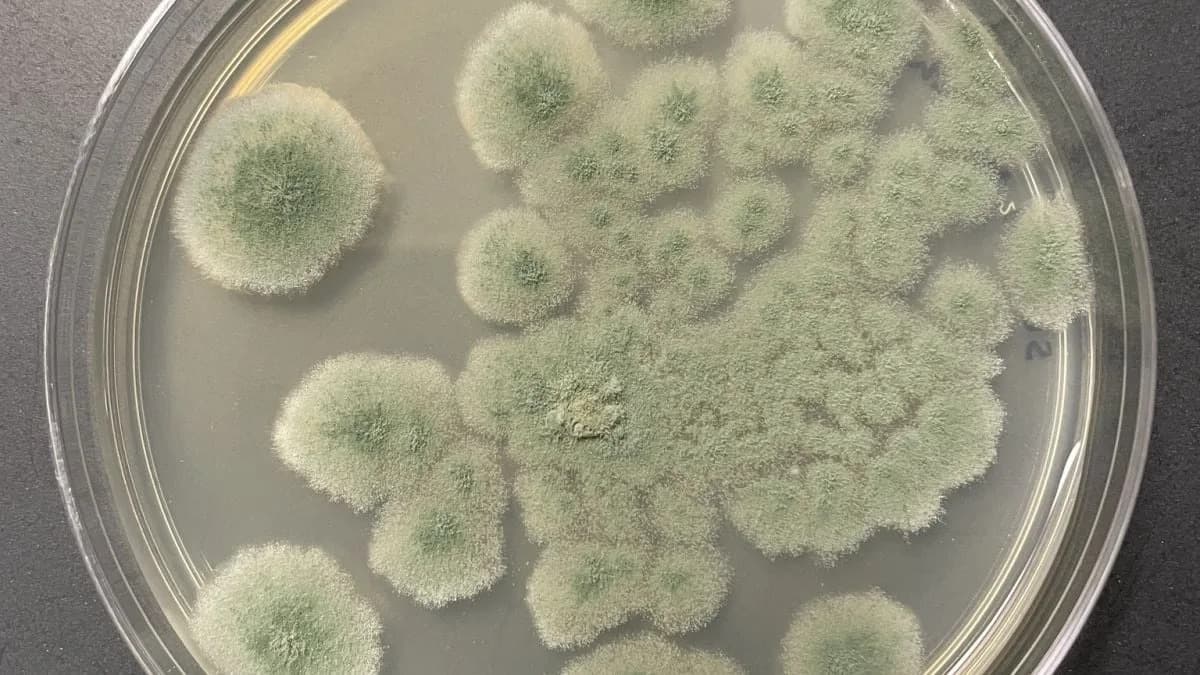
A fungus recovered from NASA's Mars 2020 cleanrooms has shown surprising resilience to simulated deep-space and Martian conditions, raising new questions for planetary protection and astronaut health.
What Researchers Did
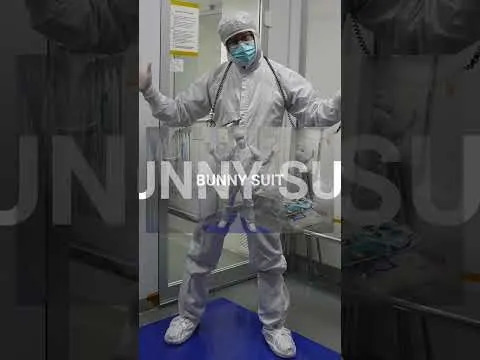
Microbiologist Kasthuri Venkateswaran and colleagues at NASA's Jet Propulsion Laboratory swabbed cleanrooms used in the Mars 2020 program to catalog fungi that remained after standard decontamination procedures. From those samples they isolated 27 distinct fungal strains and cultured their spores (conidia) for laboratory testing.
“This does not mean contamination of Mars is likely, but it helps us better quantify potential microbial survival risks,” said Kasthuri Venkateswaran. “Microorganisms can possess extraordinary resilience to environmental stresses.”
Space-Like Stress Tests
The researchers exposed fungal conidia to a suite of space-relevant stresses, including:
- Intense ultraviolet (UV) irradiation far stronger than typical terrestrial sunlight
- Low pressure consistent with the Martian atmosphere
- Extreme cold down to −60 °C (−76 °F)
- Mars-like dust exposure
- Ionizing radiation doses comparable to the cumulative cosmic radiation on a trip to Mars
Key Findings
Of the 27 strains isolated from decontaminated cleanrooms, 23 survived the intense UV exposure. One species, Aspergillus calidoustus, was especially robust: its conidia withstood high UV levels, endured months of simulated space-like ionizing radiation, and tolerated Mars-like pressure and dust. The only reliably lethal condition the team found was prolonged simultaneous exposure to very high radiation and extreme cold.
Subscribe to ScienceAlert's free fact-checked newsletter
These results were published in Applied and Environmental Microbiology. The study does not assert that Mars contamination is imminent, but it highlights a previously underappreciated risk pathway: fungi that survive cleanroom decontamination could theoretically persist through portions of a transit to Mars.
Implications
Under Article IX of the United Nations Outer Space Treaty (1967), spacefaring activities must avoid harmful contamination of other worlds. Current planetary-protection guidelines limit bioburden on spacecraft bound for Mars to no more than 300 spores per square meter. This study suggests fungi merit more attention in microbial risk assessments, both to protect other celestial bodies and to safeguard astronaut health — several Aspergillus species can cause respiratory illness such as aspergillosis.
As human exploration advances with programs like Artemis and more missions to Mars, refining decontamination protocols and monitoring for hardy fungal species will be important to minimize forward contamination and health risks on long-duration missions.
Study Source: Applied and Environmental Microbiology.