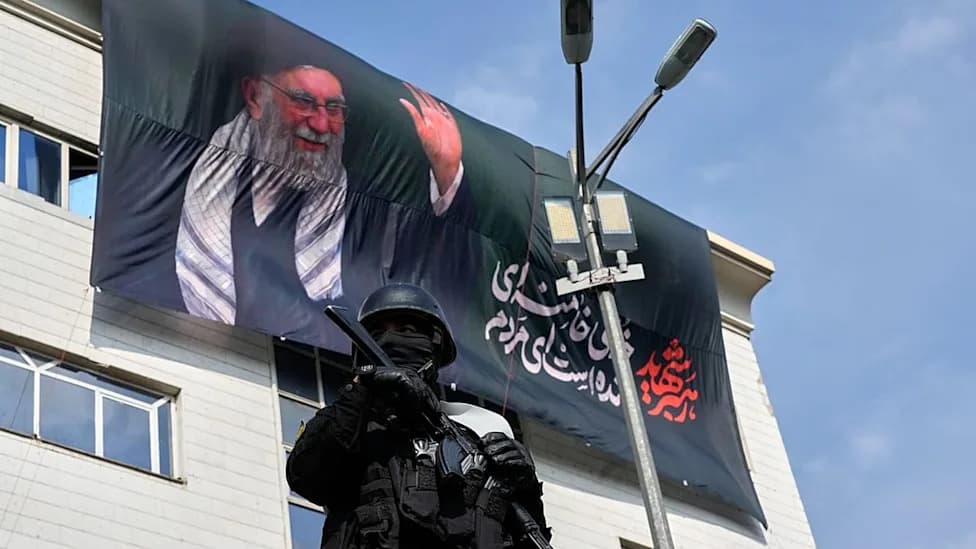
Rights groups say Iran has sharply escalated repression during the Middle East conflict, with frequent executions, thousands of arrests and a nationwide internet blackout now reported to have lasted 53 days. Iran Human Rights says 3,646 people have been detained since February 28, including 767 after the April 8 ceasefire, and warns that hundreds face death-penalty charges. Executions resumed on March 19, including members of the banned MEK and a man linked to January protests. Activists are urging Washington to make the immediate release of political prisoners a central condition of any talks.
Arrests, Executions and a 53-Day Internet Blackout: Iran Escalates Wartime Repression
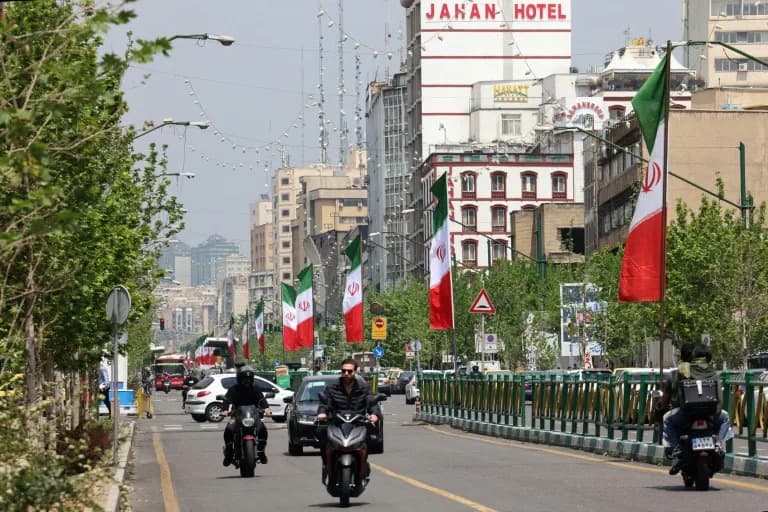
Repression continued in Iran even amid the ceasefire (ATTA KENARE)(ATTA KENARE/AFP/AFP)
Iran has intensified a wartime crackdown during the Middle East conflict, carrying out high-profile executions and making thousands of arrests, rights groups say. Activists are urging the United States to prioritise human rights in any negotiations with Tehran as reports of hangings, mass detentions and severe internet restrictions continue.
Ceasefire Continues But Repression Persists
Rights groups report that the clampdown has continued through a two-week ceasefire that is due to end, with hangings of prisoners regarded by campaigners as political detainees occurring near-daily. People have been arrested on charges ranging from alleged espionage to sending short video clips to media outlets abroad.
Arrests, Charges And Notable Detainees
Iran Human Rights (IHR) said at least 3,646 people were arrested since the conflict began on February 28, including at least 767 arrests recorded after the ceasefire began on April 8. Reported charges include espionage, transmitting images or coordinates of sensitive locations to foreign-based media, attempting to form operational cells and possession of a Starlink internet terminal.
Among the detained are more than 100 civil society activists, including prize-winning human rights lawyer Nasrin Sotoudeh, who was detained on April 2. Sotoudeh’s daughter, Mehraveh Khandan, said her mother phoned for the first time since her arrest and reported being held by the intelligence ministry without being allowed to disclose her location.
Executions Resume; Death Penalty Risk Grows
Executions resumed on March 19. Since then, Iranian authorities have executed at least eight men identified as members of the banned opposition group the People's Mujahedin (MEK). Rights groups also reported the execution of an eighth man linked to the January protests, identified by state media as Amir Ali Mirjafari, accused of arson at the Gholhak Grand Mosque and of ties to Israel’s Mossad.
IHR warned that hundreds of protesters currently face death-penalty charges, with at least 30 already sentenced to death.
Nationwide Internet Blackout
Monitor Netblocks reported severe internet restrictions consistent with a sustained blackout that had left Iranians largely disconnected from global networks for 53 days. Rights groups say the communications shutdown hinders monitoring, legal defence and family contact for detainees.
International Reactions And Calls For Prisoner Releases
"The immediate release of all political prisoners arrested before or after the outbreak of the war must be a central condition of any agreement with the Islamic republic," said Mahmood Amiry-Moghaddam, director of Norway-based NGO Iran Human Rights.
As the ceasefire neared its scheduled end, US President Donald Trump said Iran could improve the prospects for peace talks by freeing eight women he said face execution. The comment echoed a repost on X that circulated photographs of eight unnamed women alleged to be at risk; rights organisations say one of the women, Bita Hemmati, was sentenced to death on charges related to the protests.
"The Islamic republic showed in January that it has no qualms about killing protesters on a massive scale," said Roya Boroumand, co-founder of the Abdorrahman Boroumand Center. "Silence in negotiations risks convincing the regime that another mass crackdown carries little political cost."
The situation remains fluid, with human rights organisations urging that protection of detainees and an end to death-penalty prosecutions be central to any diplomatic engagement with Iran.
Help us improve.