
The U.S. is sending a delegation led by Vice President JD Vance to Islamabad for follow-up talks with Iran, but Tehran has not confirmed attendance and a fragile two-week ceasefire is about to expire. Recent naval incidents, including a U.S. seizure of an Iranian vessel and reciprocal accusations over attacks in the Strait of Hormuz, have raised tensions. Mediators hope for an interim memorandum to extend the truce and buy time for a final deal, but deep divides over Iran’s nuclear programme, sanctions and control of the strait persist. Analysts warn that failure to bridge differences—or Iran’s absence from talks—could quickly trigger destructive escalation.
Iran–US Standoff: Four Possible Paths as Islamabad Talks and a Fragile Ceasefire Hang in the Balance
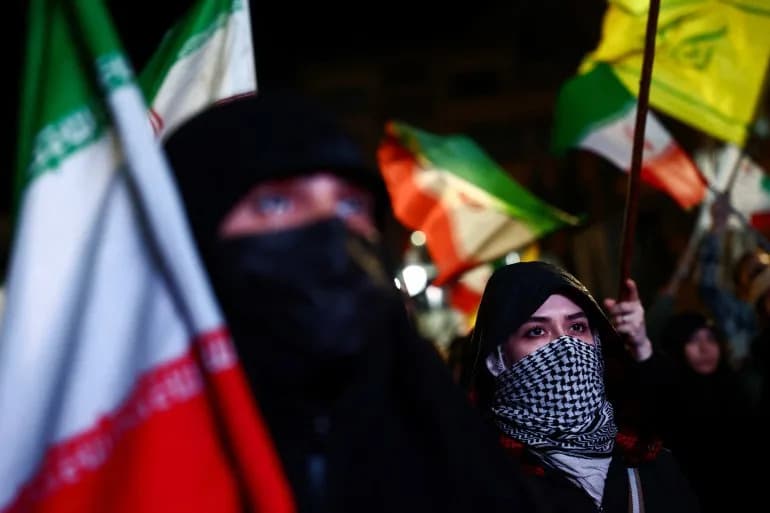
People in Tehran take part in an anti-US and anti-Israel rally on April 19, 2026 [Majid Asgaripour/West Asia News Agency via Reuters]
Vice President JD Vance is due to lead a U.S. negotiating team to Islamabad for follow-up talks aimed at ending the conflict with Iran, but Tehran has not confirmed whether it will attend. A fragile, two-week ceasefire is set to expire within hours, and a recent spike in maritime incidents has sharply increased the risk of renewed fighting.
Latest developments
The first round of talks in Islamabad on April 11 ended without a breakthrough. Since then, the United States has announced a naval blockade on Iran-linked ships transiting the Strait of Hormuz. Iran has fired on vessels in the waterway, and U.S. forces recently fired on and seized an Iranian vessel attempting to transit the strait. Tehran called the seizure "piracy" and threatened retaliation.
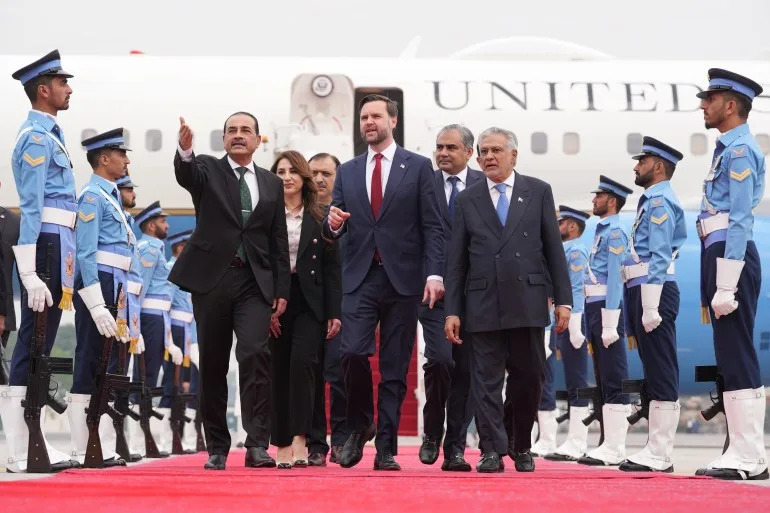
US Vice President JD Vance, centre, walks with Pakistani Chief of Defence Forces Asim Munir, left, and Pakistani Foreign Minister Mohammad Ishaq Dar after arriving for talks with Iranian officials in Islamabad, Pakistan, on April 11, 2026 [Jacquelyn Martin/AP]
U.S. President Donald Trump has publicly warned that, unless Iran accepts U.S. terms, he would order strikes on Iranian infrastructure, saying the U.S. would "knock out every single Power Plant, and every single Bridge, in Iran." Iranian officials reject negotiating under direct threats. Mohammad Reza Mohseni Sani, a member of Iran’s parliamentary National Security Commission, said negotiations were "not acceptable" in the present circumstances and hinted the next round of talks could be called off.
What to expect in Islamabad
Pakistan continues preparations to host multiday mediation efforts. The U.S. delegation is expected to include Vice President Vance, envoy Steve Witkoff and Jared Kushner—the same team that attended the first round. If Tehran participates, parliament speaker Mohammad Bagher Ghalibaf is likely to head the Iranian delegation, joined by Foreign Minister Abbas Araghchi.
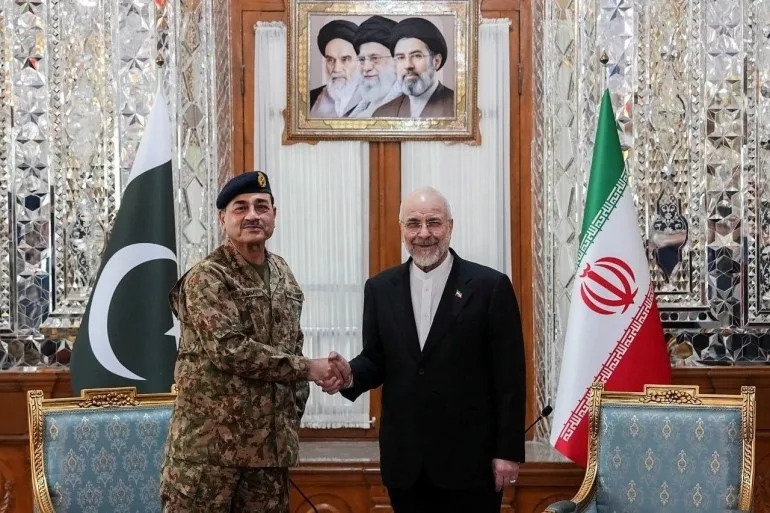
Iranian parliament Speaker Mohammad Bagher Ghalibaf meets with Pakistan’s military chief Asim Munir in Tehran on April 16, 2026 [Handout/Iranian parliament speaker’s office/West Asia News Agency via Reuters]
Mediators aim for a memorandum of understanding to buy time, extend the ceasefire and create a framework for trading nuclear or military steps for sanctions relief. Analysts say that, even if a final deal is unrealistic now, an interim agreement to stabilise the pause would still be a meaningful outcome.
Four scenarios over the coming days
Scenario 1 — Iran Attends and a Short Extension
If Tehran attends and both sides accept an interim compromise, mediators could secure a limited memorandum of understanding that extends the ceasefire and opens space for more substantive negotiations. This would be the least escalatory outcome and could reduce immediate maritime tensions.
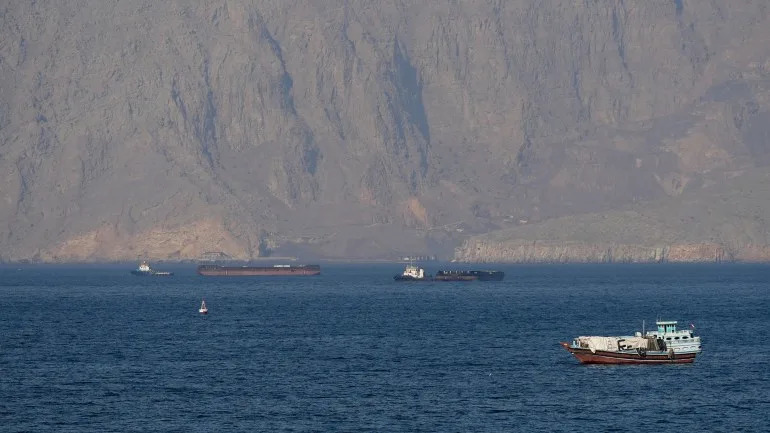
Ships and tankers sit outside the Strait of Hormuz off the coast of Musandam, Oman, on April 18, 2026 [Reuters]
Scenario 2 — Talks Stall but Ceasefire Is Briefly Extended
The delegations may fail to bridge their core differences yet still agree to a fragile extension of the truce. That would buy time for diplomacy but leave maritime pressure, mutual accusations and the risk of miscalculation largely unchanged.
Scenario 3 — Ceasefire Lapses, Limited Escalation
If the ceasefire expires with Iran absent or unwilling to compromise, the situation could return quickly to maritime clashes and targeted strikes. Expect renewed attacks on ships, stepped-up interdictions and tit-for-tat responses that stop short of full-scale strikes on infrastructure—yet still destabilise the region.
Scenario 4 — Ceasefire Collapses Into Major Strikes
Should the truce collapse and U.S. leadership choose a punitive course, targeted strikes against Iranian critical infrastructure (power plants, bridges and other facilities) could follow, dramatically escalating the conflict and risking a wider regional conflagration.
Risks and outlook
Major obstacles remain, including deep disagreement on Iran’s nuclear programme, sanctions relief, control of the Strait of Hormuz and frozen assets. Analysts stress that diplomacy will only stick if both parties accept compromises and reduce pressure enough to make negotiations credible. In the short term, watch for confirmation of Tehran’s attendance, any last-minute ceasefire extension, and further maritime incidents—each could rapidly change the trajectory of the crisis.
Help us improve.





















