French Finance Minister Roland Lescure said the Strait of Hormuz must reopen but "not at any price," as G7 finance ministers and central bank governors vowed to limit the global economic damage of a widening Middle East conflict. The meeting in Washington urged urgent steps to curb economic fallout, noting higher energy prices after Iran's near-blockade of the strait. G7 officials will reconvene in Paris next month to monitor risks, and central banks stand ready to act if needed.
G7 Will Mitigate Economic Fallout as France Insists Strait of Hormuz Reopen — "Not At Any Price"
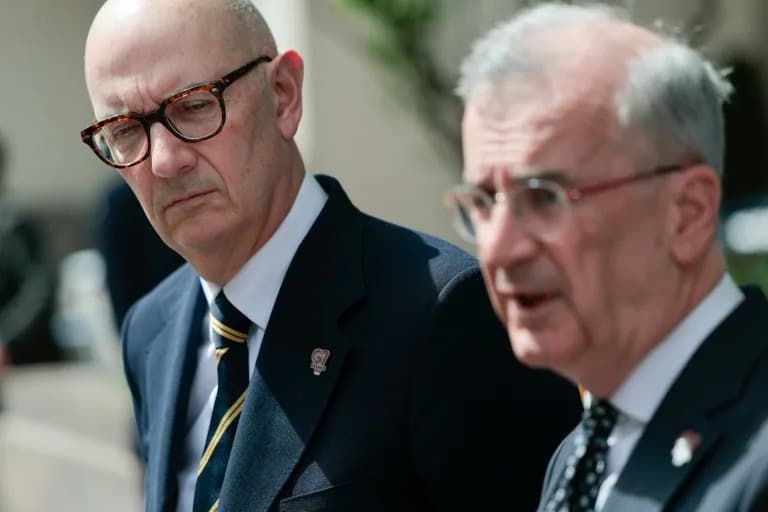
France's Economy and Finance Minister Roland Lescure says the G7 stands ready to help mitigate fallout from the Middle East war (Kent Nishimura)(Kent Nishimura/AFP/AFP)
French Finance Minister Roland Lescure said Thursday that the Strait of Hormuz must reopen, but emphasized it should not be done "at any price," as Group of Seven finance ministers and central bank governors pledged to limit the global economic impact of the Middle East war.
G7 Urges Measures To Contain Economic Shock
At their Washington gathering on Wednesday, G7 finance leaders released a statement calling it "urgent to limit" the worldwide economic costs of a prolonged conflict in the Middle East and reaffirmed the need to pursue a lasting peace. The meeting took place on the sidelines of the International Monetary Fund and World Bank spring meetings.
Why Hormuz Matters
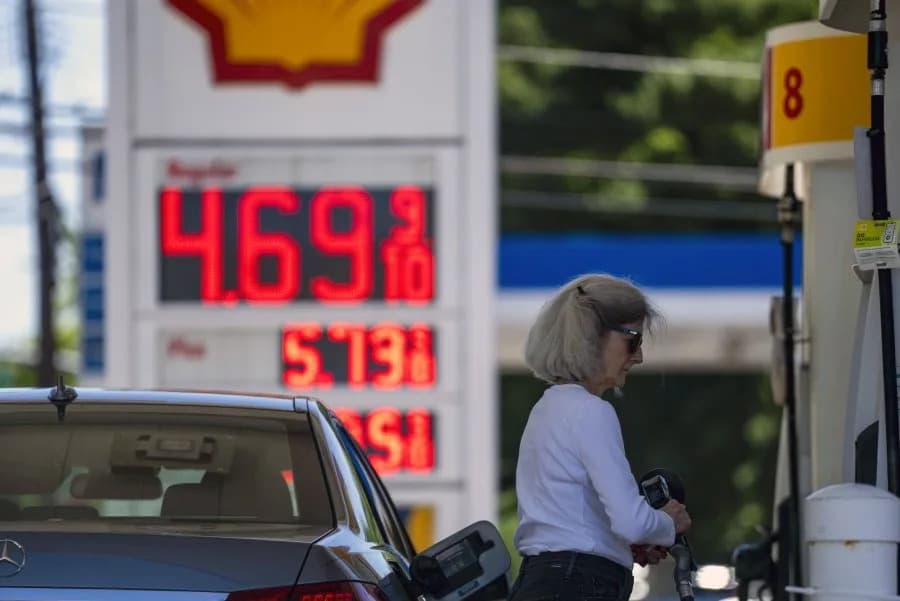
The conflict escalated after US-Israeli strikes targeting Iran on February 28, which prompted Tehran to effectively block the Strait of Hormuz in retaliation. The strait is a vital shipping lane for oil and gas, and disruptions have helped push global energy prices higher.
"We need this to open, but not at any price," Lescure said, adding bluntly: "We're not going to pay to go through the strait." He noted that G7 ministers feel the situation's gravity and plan to reconvene in Paris in a month's time to monitor developments and evaluate whether further action is needed.
Policy Tools And Responses
G7 countries have already taken steps to steady markets: last month the International Energy Agency coordinated a record release of oil from strategic reserves by member nations. US officials temporarily allowed the sale of Russian oil at sea to ease supply strains earlier this spring; Washington has said that such a waiver will not be extended beyond its expiration.
Bank of France Governor François Villeroy de Galhau said central banks stand ready to act "without hesitation" to address economic fallout from the conflict, while cautioning that officials are not in a rush to intervene prematurely.
Broader Geopolitical Concerns
Beyond immediate energy market disruption, G7 ministers discussed the need to ensure the conflict does not indirectly benefit Russia or further harm Ukraine, which has already suffered significant damage to its energy infrastructure since Russia's 2022 invasion. Lescure said Ukraine must not become "collateral damage" amid the new crisis.
French President Emmanuel Macron is scheduled to host talks with British Prime Minister Keir Starmer on navigation through the Strait of Hormuz once a ceasefire is in place.
Bottom line: G7 leaders are coordinating financial and market tools to limit economic disruption, while France presses for a safe reopening of the Strait of Hormuz without accepting unreasonable costs.
Help us improve.