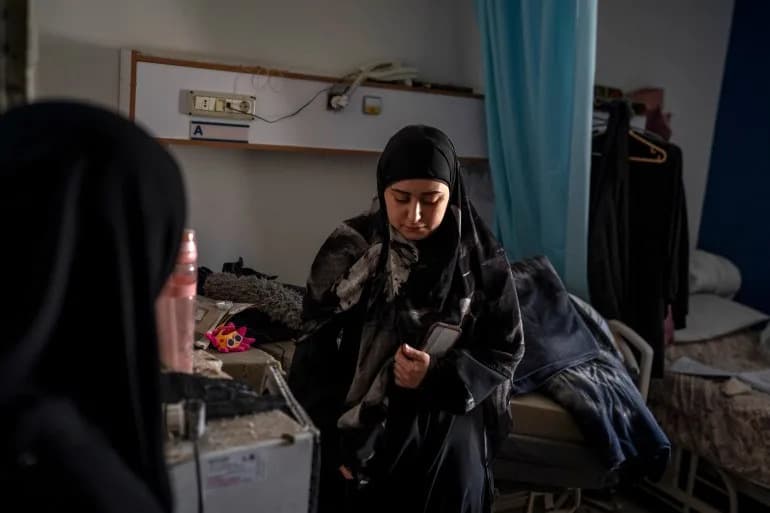
Mount Carmel Medical Center in Haifa has moved maternity and other critical services into an underground shelter carved into the mountain, where staff deliver roughly 10 babies a day. Since the conflict began on February 28, 370 newborns have been born in the protected facility. A US–Tehran ceasefire on April 8 halted reported Iranian missile strikes, but cross-border rocket fire from Hezbollah and Israeli strikes in Lebanon have kept the region on edge, with heavy casualties reported.
Born Under Sirens: Haifa Hospital Delivers Babies in Mountain Shelter Amid Ongoing Strikes
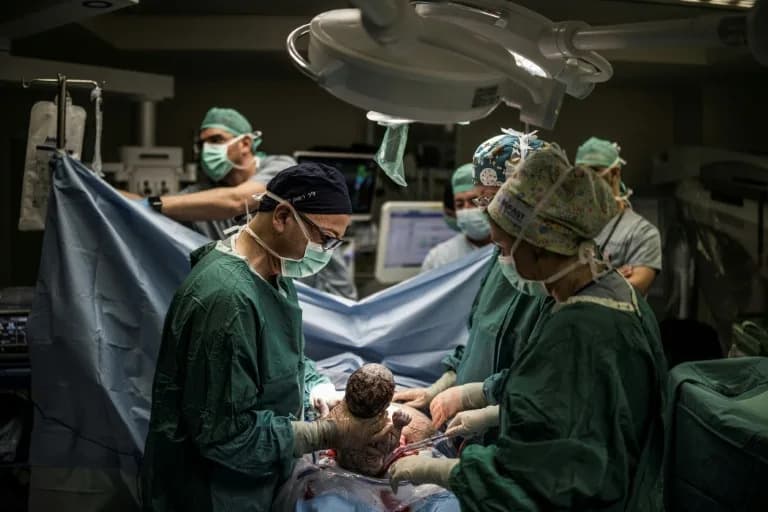
Fearful of Hezbollah rocket strikes, Israeli mums in the northern city of Haifa are giving birth in bunkers under their maternity hospitals (MARCO LONGARI)(MARCO LONGARI/AFP/AFP)
Inside an underground shelter carved into the mountainside at Mount Carmel Medical Center in Haifa, a television screen flickers with images of missiles as doctors and midwives welcome a newborn into the world.
"She's beautiful," a midwife says, placing the baby on her mother Sarah Bird's chest for a first kiss. Bird, 38, breaks into a wide smile. Her husband, Yitzhak, who had been tense throughout the labour, finally exhales; the couple say they will wait a week before choosing a name.
Hospitals Move Underground to Maintain Care
Clalit, Israel's largest healthcare provider which operates Mount Carmel, says about 10 babies are born in the shelter each day. Since the conflict began on February 28 with strikes reported on Iran, 370 newborns have been delivered there. Within hours of the initial strikes, major hospitals across Israel shifted to maximum emergency readiness, relocating patients and key departments into protected subterranean spaces.
Operating theatres, intensive care units and maternity wards have been adapted to run under shelter conditions so essential services can continue despite the security threat.
Security Situation Remains Tense
A fragile ceasefire between Washington and Tehran took effect on April 8, and officials say no Iranian missiles have struck Israel since then. Nevertheless, Haifa remains on edge after a strike on a residential building that killed four people days before the truce, and sirens continue to sound.
Rocket fire from Lebanon's Hezbollah movement — an ally of Tehran — has persisted. Israel says Lebanon is not covered by the ceasefire and has continued strikes on its neighbour; those strikes have been reported to have killed more than 300 people this week.
On one recent Thursday, more than 20 rocket alerts were reported in northern Israel along the Lebanese border after Hezbollah said it had launched multiple barrages. Despite the alarms, hospital staff continue to provide care and deliver babies in the shelter, underscoring the resilience of medical teams and families amid conflict.
Help us improve.