Trial Opens in The Hague: A 58‑year‑old Syrian, identified as Rafiq al Q., has denied dozens of torture and sexual‑violence charges at the District Court in The Hague. Prosecutors allege he was the lead interrogator for the pro‑Assad National Defence Force; he says he was a civil servant and claims a conspiracy. The case is being pursued under universal jurisdiction; hearings continue for two weeks with a verdict expected on June 9.
War Crimes Trial Opens in The Hague: Syrian Man Denies Dozens of Torture and Sexual Violence Charges

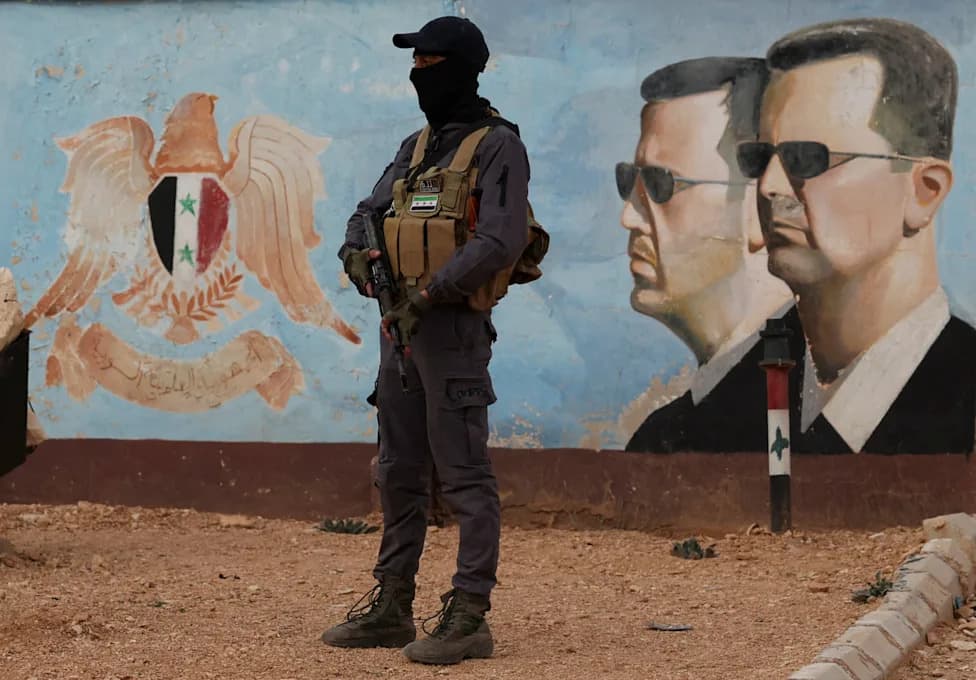
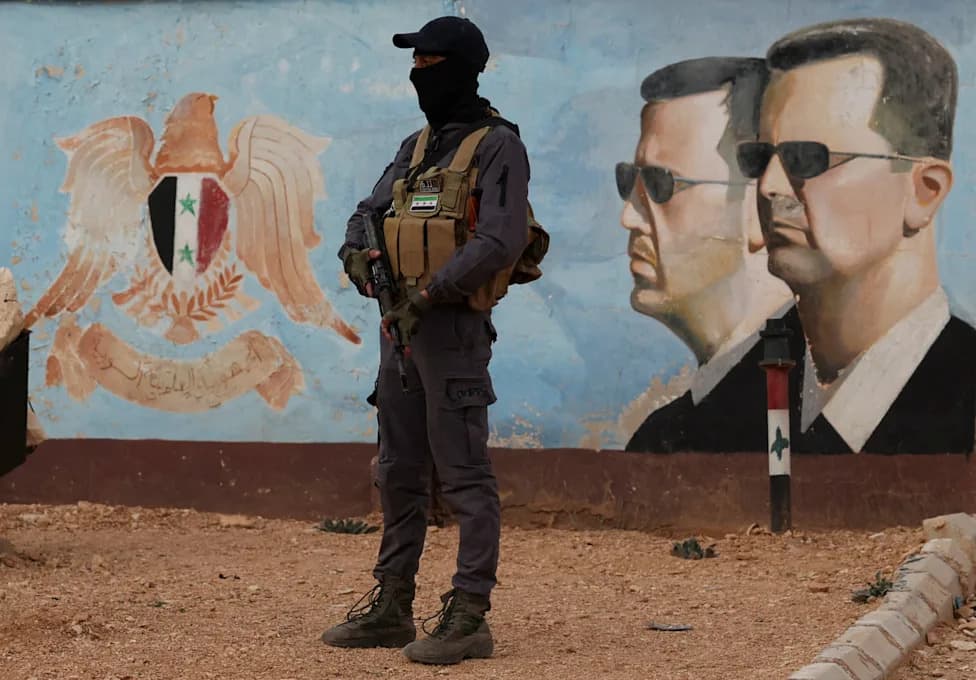
FILE -A boy steps over pictures of Syrian President Bashar Assad and his late father, Hafez Assad, right, Salamiyah, east of Hama, Syria, Dec. 7, 2024. (AP Photo/Ghaith Alsayed, File)(ASSOCIATED PRESS)
A 58-year-old Syrian man, identified in Dutch court records as Rafiq al Q. under privacy rules, denied dozens of counts of torture and sexual violence when his trial opened at the District Court in The Hague on Wednesday.
Prosecutors' Allegations and Defendant's Response
Prosecutors say the defendant served with the pro‑Assad National Defence Force and acted as the unit’s principal interrogator during Syria’s civil war, and that the charges amount to crimes against humanity. The defendant strongly rejected those claims, saying he was the victim of a conspiracy and insisting he was not a supporter of former President Bashar al‑Assad.
“All of them are conspiring against me,”
He made the statement through an interpreter and accused the nine named victims, other witnesses and Dutch police of fabricating allegations.
Defence Account and Courtroom Moment
The defendant told judges he had worked as a civil servant in the central Syrian city of Salamiyah and denied participating in torture. At one point in court he attempted to hand a piece of paper to the presiding judge; when his lawyer, André Seebregts, said the contents were unclear, the defendant replied, “I don’t tell my lawyer everything.”
Jurisdiction, Arrest and Broader Context
The case is being prosecuted under the principle of universal jurisdiction, which allows states to try suspects for some international crimes — including war crimes and torture — even when those crimes occurred abroad. The defendant applied for asylum in the Netherlands in 2021 and was living in the eastern town of Druten when authorities arrested him in 2023.
The Netherlands has previously tried and convicted other Syrians for grave abuses during the conflict, including convictions in 2021 and 2024 related to summary execution, illegal detention and complicity in torture. Separately, the Netherlands and Canada have brought a case against Syria at the International Court of Justice (ICJ), which in 2023 ordered the Syrian government to take all measures within its powers to prevent torture.
Background
Syria’s conflict began with largely peaceful protests in March 2011 and escalated into a prolonged and complex civil war after a harsh government crackdown. The conflict has generated extensive allegations of atrocities and a range of international legal responses.
Next Steps
Hearings are scheduled to continue for two more weeks, and the court has said it expects to issue a verdict on June 9.
Help us improve.