
The Artemis II crew completed a historic far-side lunar flyby on April 6 and is now on a four-day return to Earth after launching April 1. Orion reported positions in real time via NASA’s Artemis Real-time Orbit Website (AROW), and the mission produced high-resolution images of the lunar far side and a total solar eclipse visible from the Moon. Orion made a brief service-module thruster burn on April 7 and is scheduled to reenter and splash down in the Pacific off San Diego at about 8:07 p.m. ET on April 10.
Where Are the Artemis II Astronauts Now? Live Tracker, Photos and Return Timeline
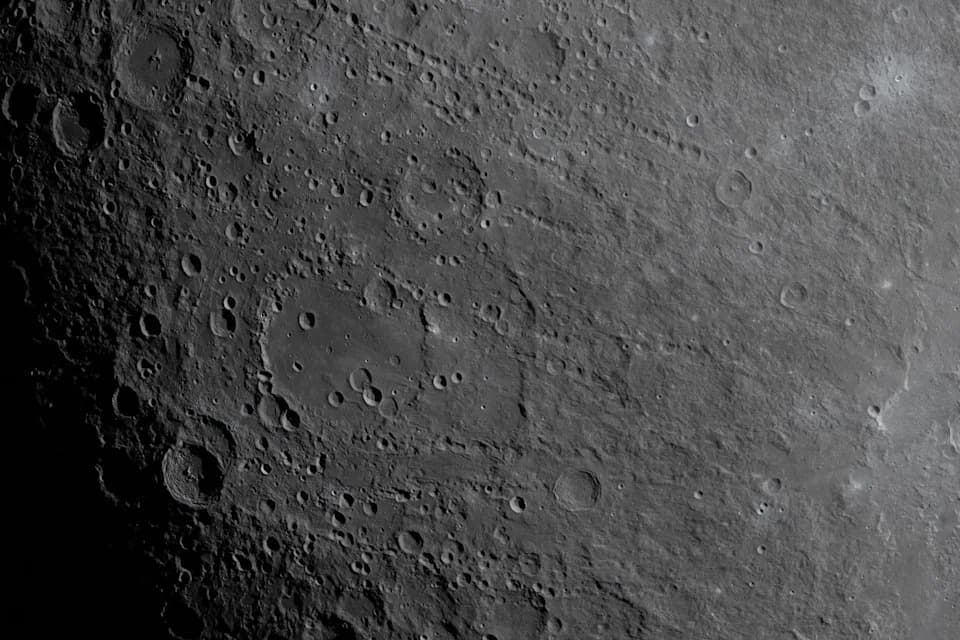
It’s all in the details. Check out these zoomed-in views ofmoon photostaken by the the Artemis II crew to see incredible lunar surface details.
The Artemis II crew is returning to Earth after a landmark far-side lunar flyby — the first human mission toward the Moon since Apollo ended in 1972. Launched from Cape Canaveral on April 1, the four astronauts completed their flyby on April 6 and are now on a four-day return trajectory that uses Earth's gravity to sling Orion home.
Mission Status and Trajectory
As of the morning of April 8, NASA's real-time tracker showed the Orion spacecraft about 209,100 miles from Earth with the Moon roughly 74,000 miles behind. Orion performed a short auxiliary thruster burn on April 7 (about 15 seconds) to adjust velocity for the return arc. During the flyby the crew came within approximately 4,067 miles of the lunar surface, while pushing the distance from Earth farther than any crewed vehicle in history.
Photos and Highlights From the Flyby
NASA released a collection of high-resolution images taken by the crew, revealing rare views of the lunar far side and dramatic scenes along the terminator — the dividing line between lunar day and night. Notable features photographed include the Orientale basin (with its dark, ancient lava patch) and Vavilov Crater on the rim of the larger Hertzsprung basin. Low-angle sunlight along the terminator highlighted Jule, Birkhoff and Stebbins craters, exposing ridges, basin structures and long shadowing that accentuates the Moon's rugged topography.
The crew also witnessed a total solar eclipse from the Moon: the lunar disk fully obscured the Sun from their perspective, producing about 54 minutes of totality and a glowing solar halo visible in crew images. The astronauts used protective eclipse viewers to safely observe the event — the first reported use of eclipse glasses at the Moon.
Crew Life Aboard Orion
Photos from inside Orion show the four crew members — Victor Glover, Jeremy Hansen, Reid Wiseman and Christina Koch — working cameras, peering out cabin windows and even pausing for a group selfie taken midway through their observation period. The mission permitted personal smartphones aboard, making the crew among the first government astronauts to carry such devices into deep space. Shot descriptions released by NASA include images of a crescent Earth setting on the lunar limb, an Earthrise through an Orion window, and close-ups of cratered terrain.
Reentry and Recovery Plan
Orion is scheduled to reenter Earth's atmosphere on Friday, April 10, with a planned splashdown in the Pacific Ocean off the coast of San Diego at about 8:07 p.m. ET. At reentry the service module — which provided propulsion and maneuvering through space — will separate and burn up in the atmosphere. The crew module's heat shield will protect the astronauts from peak temperatures (around 3,000°F). After atmospheric entry the heat shield will be jettisoned, parachutes will deploy to slow the capsule, and five orange airbags will inflate to flip the capsule upright after splashdown. The crew is expected to be recovered by a U.S. Navy vessel and are anticipated to exit the capsule within roughly two hours of splashdown.
How To Track Orion Live
NASA provides live tracking through the Artemis Real-time Orbit Website (AROW) and its mobile app. AROW displays Orion's position, speed and distances to Earth and the Moon using telemetry from onboard sensors sent to Mission Control in Houston. The smartphone version includes an augmented reality (AR) mode that lets users move their device to view Orion's real-time position relative to Earth. Telemetry updates begin about one minute after liftoff and continue until Orion begins reentry around 10 days after launch.
Note: All times and distances are based on NASA's public telemetry and mission updates as of the dates noted. For the latest position and timeline, check AROW and NASA mission briefings.
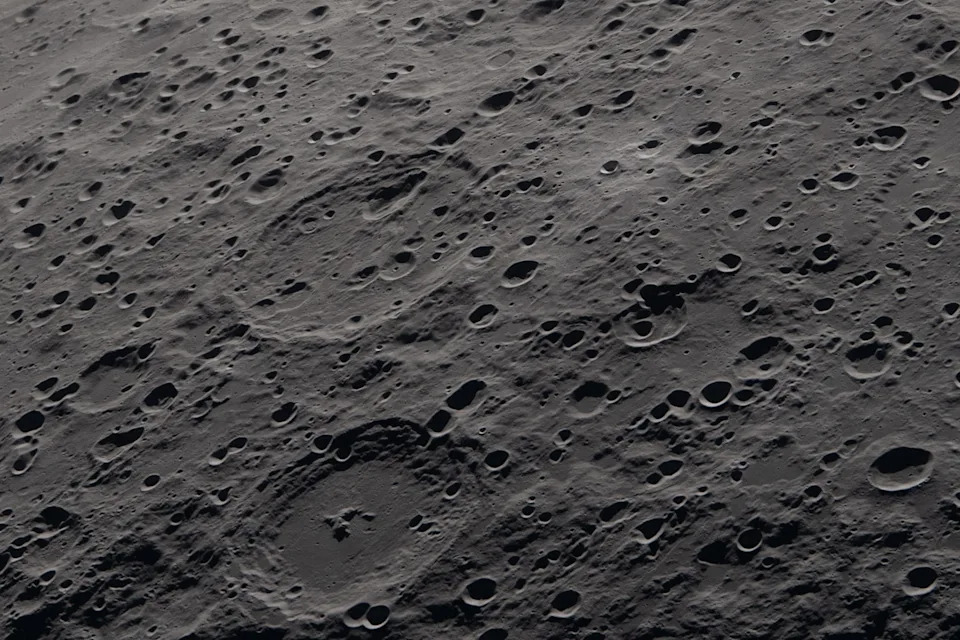
The lunar surface fills the frame in sharp detail, as seen during the Artemis II lunar flyby.
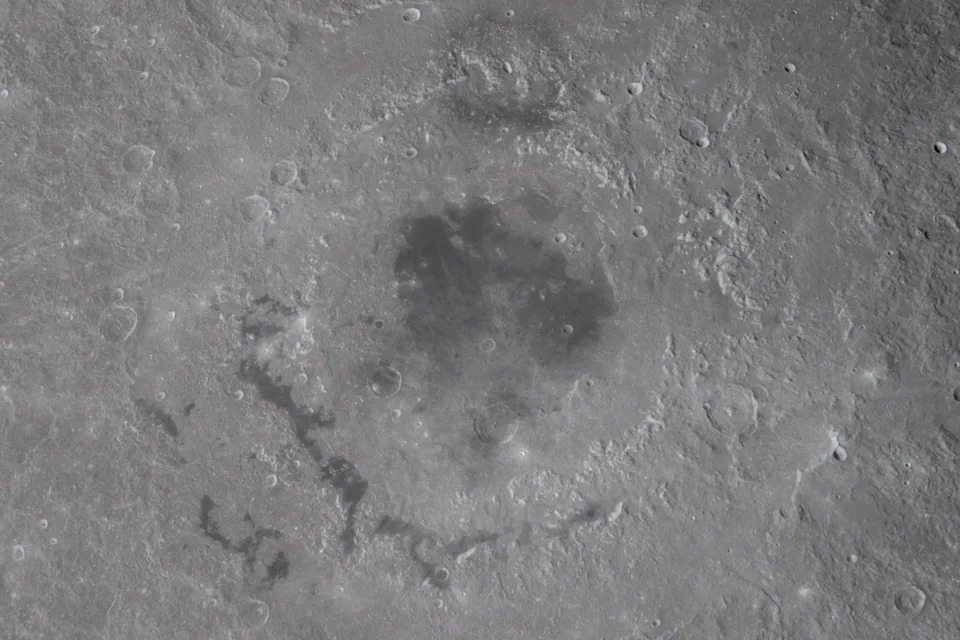
Orientale basin is visible in this close-up, with a black patch of ancient lava in the center that punched through the Moon’s crust in an eruption billions of years ago.
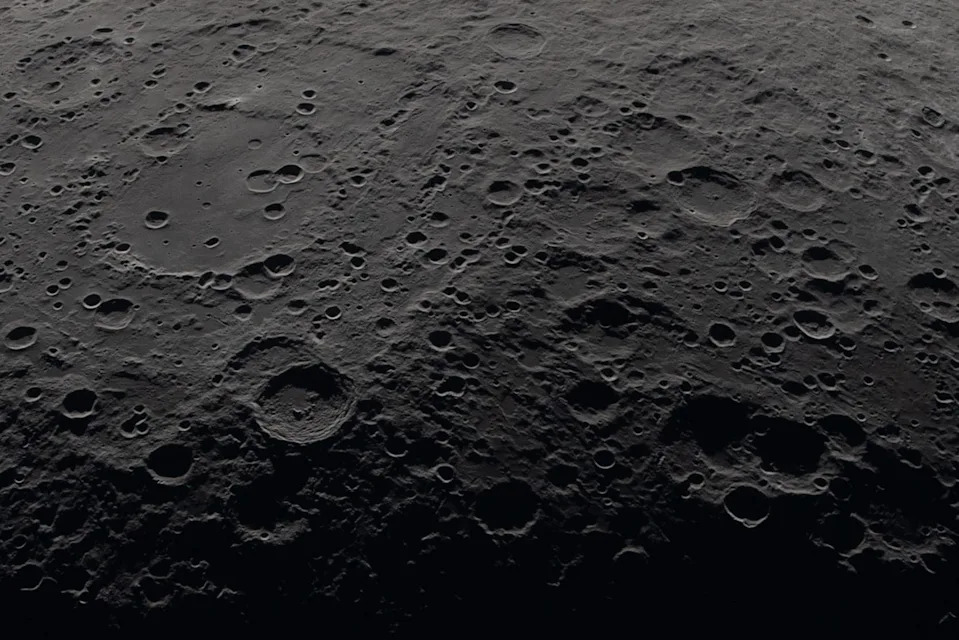
Moon crates are revealed in this detail of a photo captured by the Artemis II crew during their journey around the far side of the Moon on April 6.
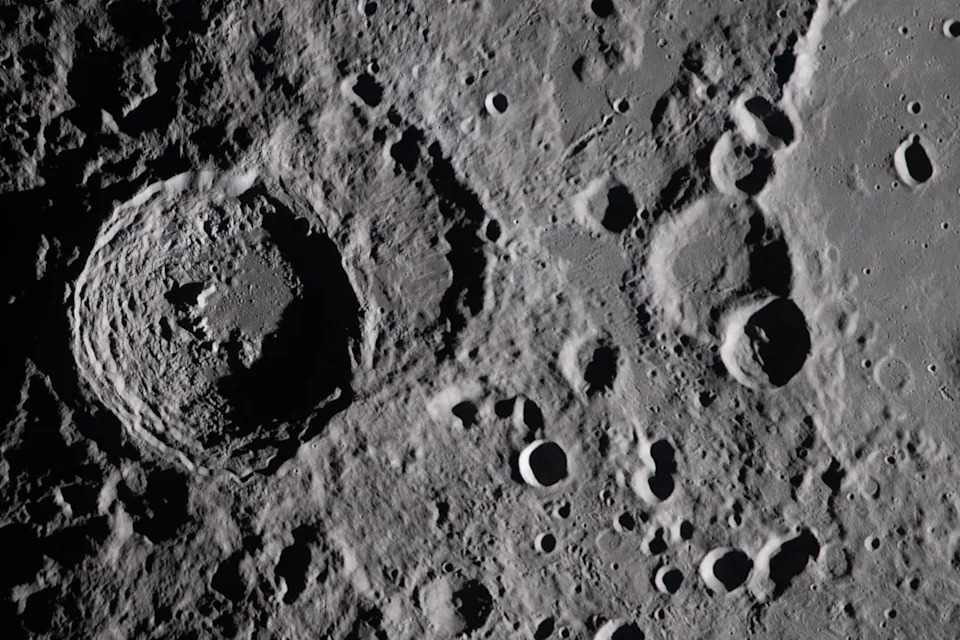
A close-up view shows the Vavilov Crater (left) an impact crater on the rim of the older and larger Hertzsprung basin.
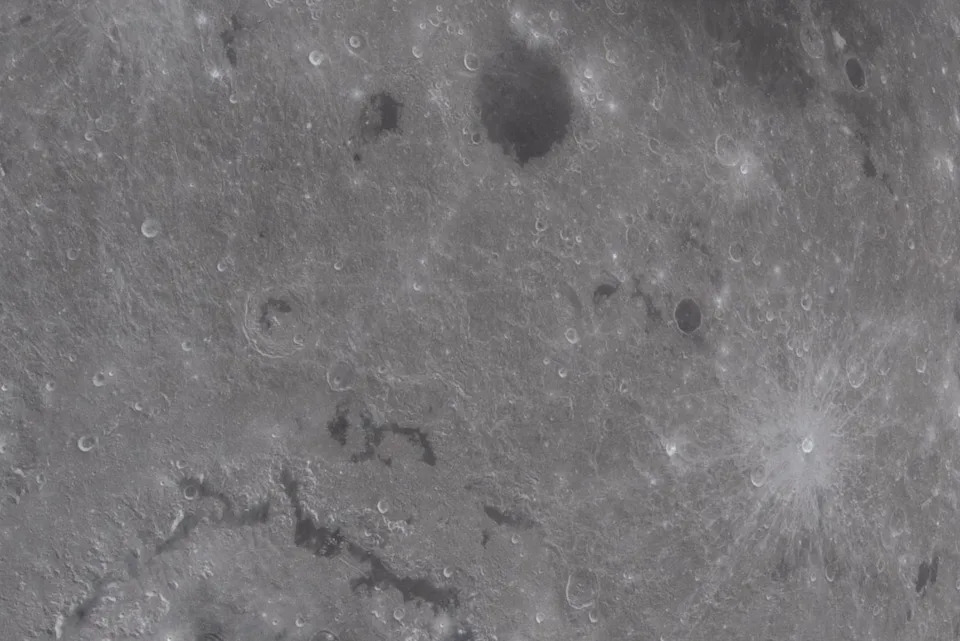
High-end digital cameras provide astronauts with powerful imaging tools that they can use to capture and share detailed views during their mission.
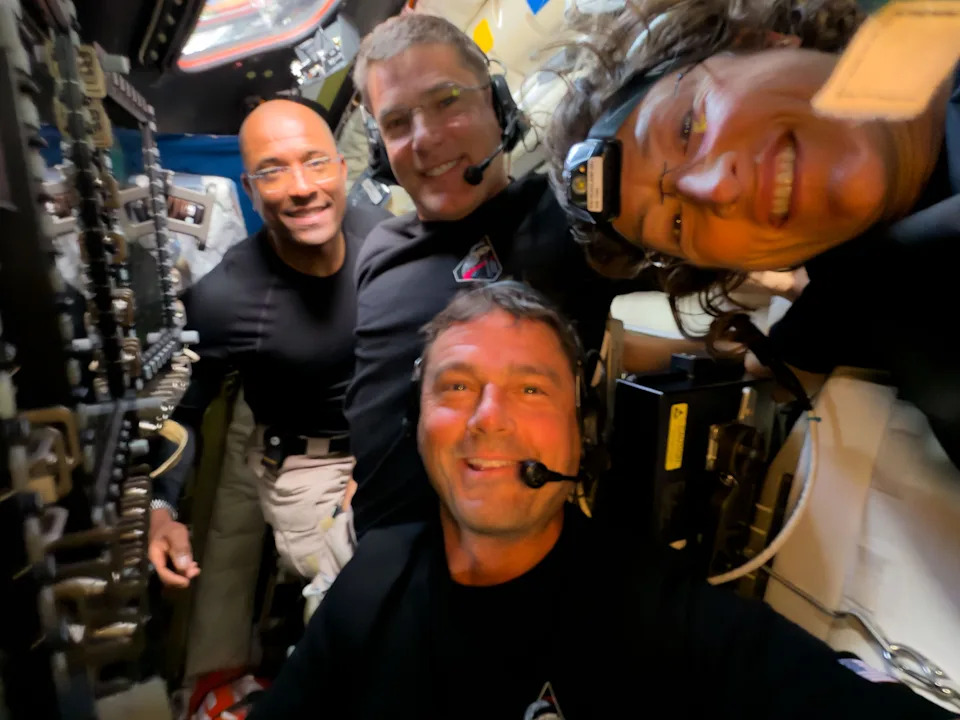
Lunar SelfieMidway through their lunar observation period, the Artemis II crew members, seen here (From left to right: Victor Glover, Jeremy Hansen, Reid Wiseman, and Christina Koch), pause to turn the camera around for a selfie inside the Orion spacecraft.NASA's Artemis II astronautsare among the first government spacefarers to bring personal smartphones to space.
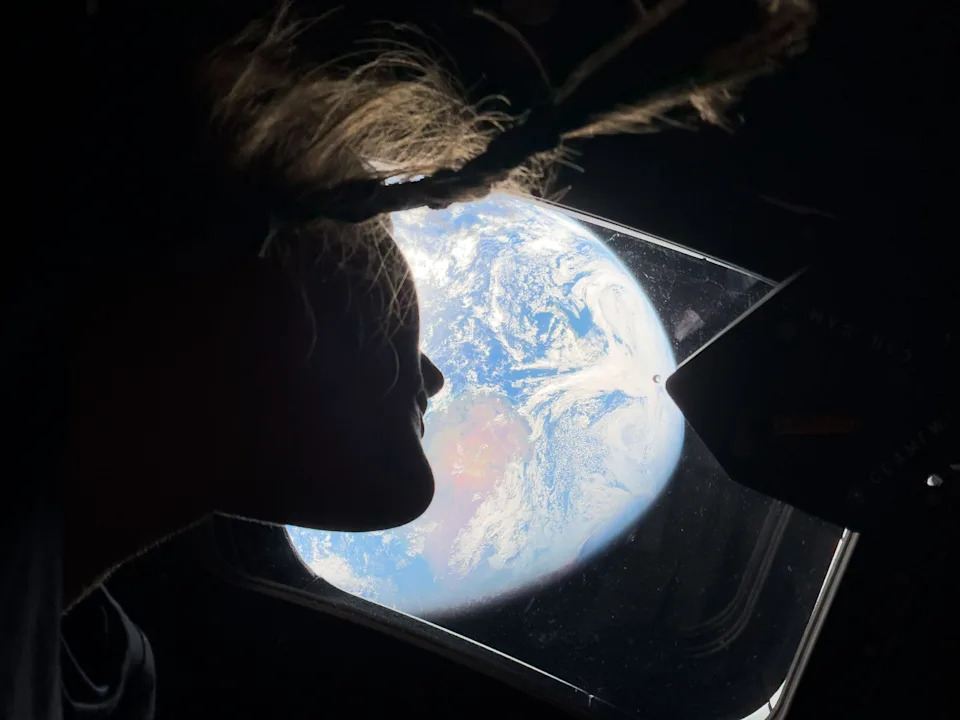
Spaceship EarthNASA astronaut and Artemis II mission specialist Christina Koch peers out of one of the Orion spacecraft's main cabin windows, looking back at Earth, as the crew travels towards the Moon.
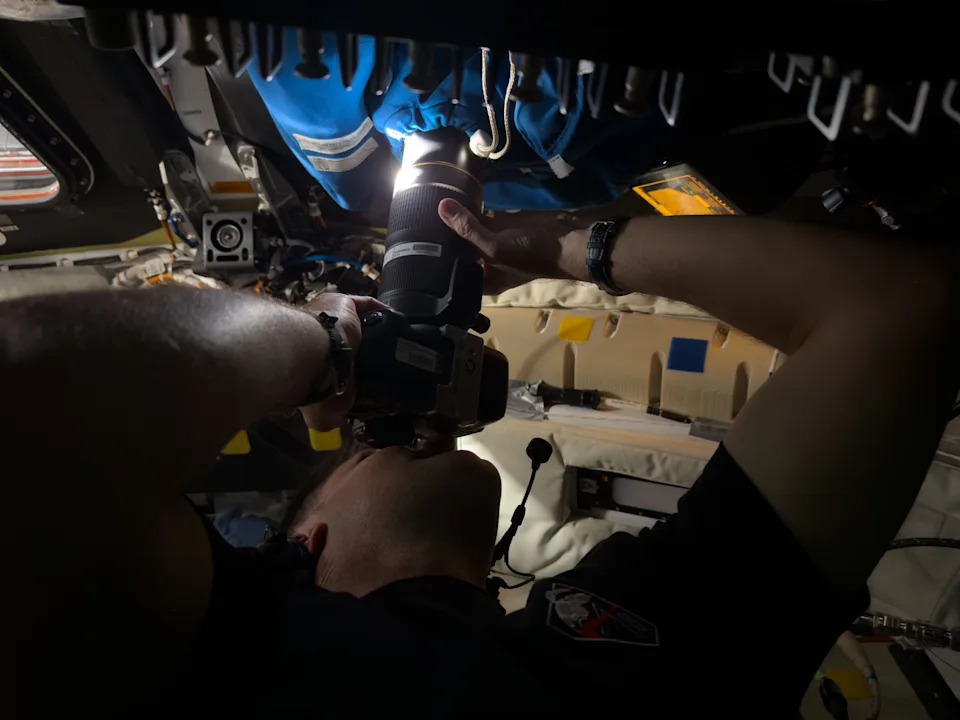
Photographer at WorkAstronaut Jeremy Hansen captures an image through the camera shroud covering window 2 of the Orion spacecraft. The camera shroud, essentially a curtain with a hole for the lens to pass through, is used to prevent light from the cabin from reflecting on the windowpanes.
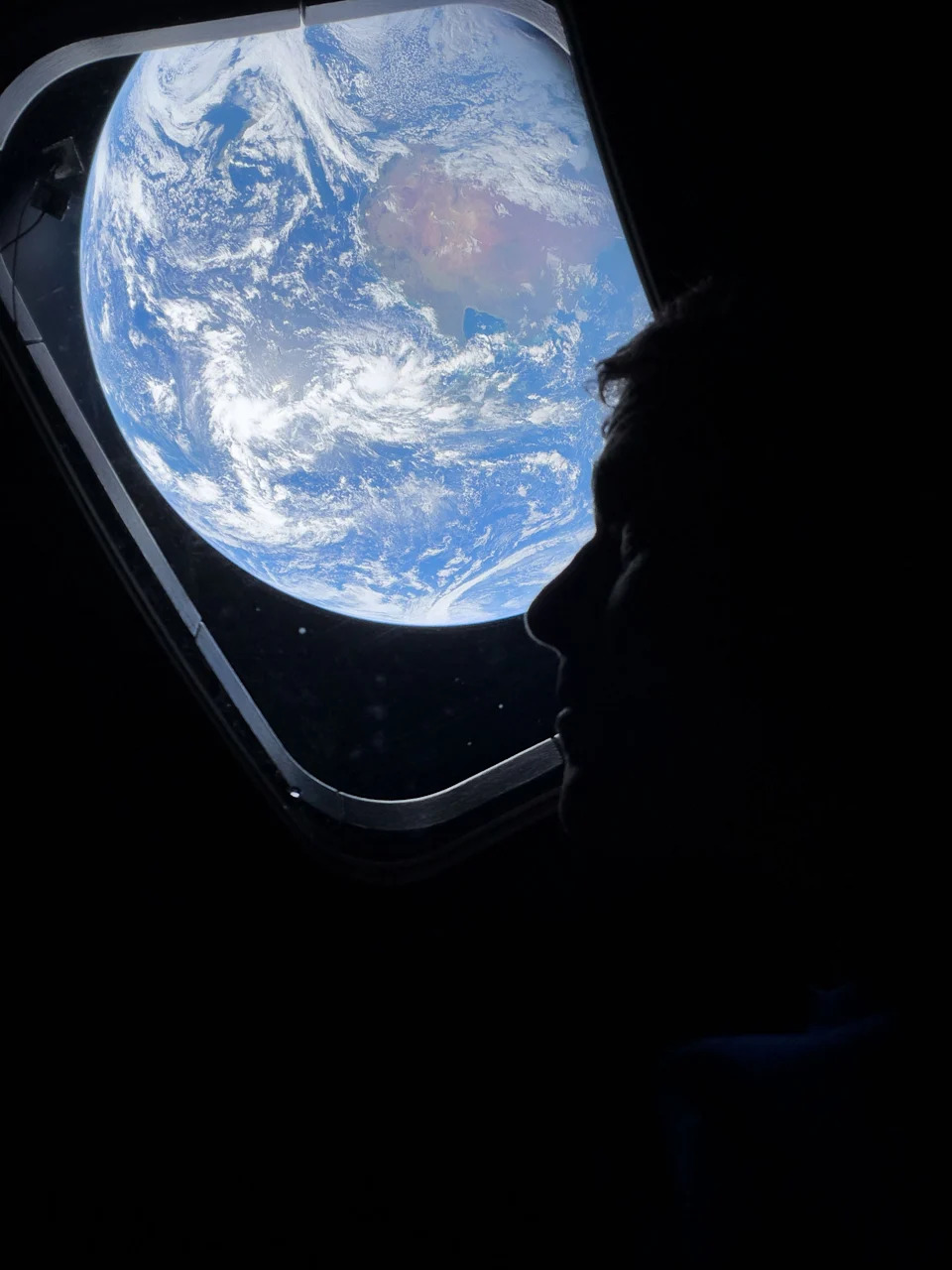
Home, Seen from OrionNASA astronaut and Artemis II Commander Reid Wiseman peers out of one of the Orion spacecraft's main cabin windows, looking back at Earth, as the crew travels towards the Moon.
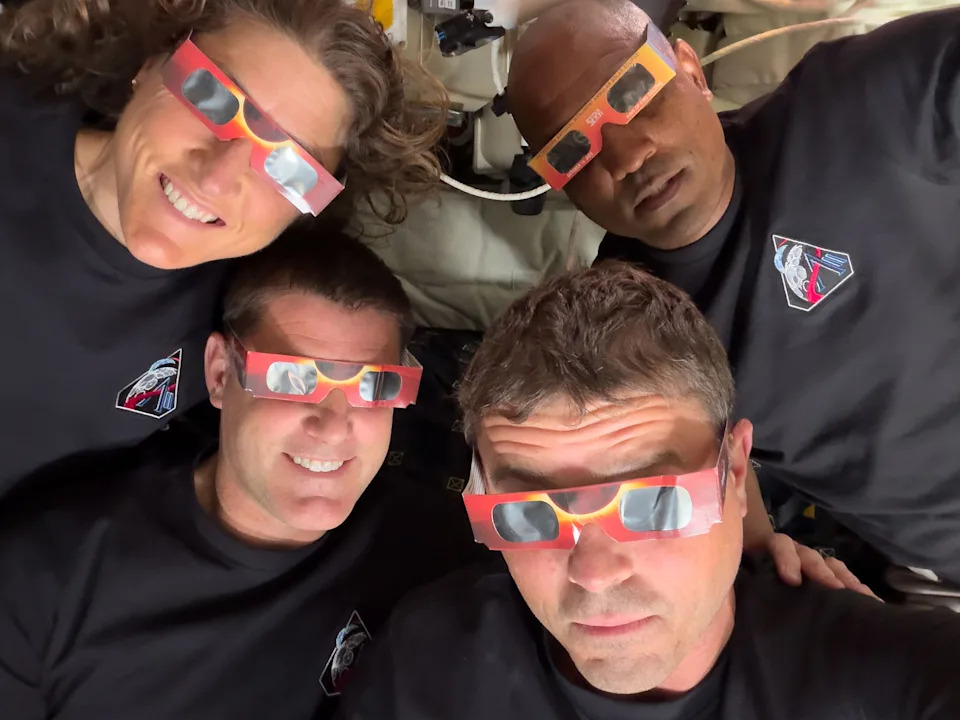
Eclipse SafetyFirst The Artemis II crew – Mission Specialist Christina Koch (top left), Mission Specialist Jeremy Hansen (bottom left), Commander Reid Wiseman (bottom right), and Pilot Victor Glover (top right) – uses eclipse viewers, identical to what NASA produced for the 2023 annular eclipse and 2024 total solar eclipse, to protect their eyes at key moments during the solar eclipse they experienced during their lunar flyby. This was the first use of eclipse glasses at the Moon to safely view a solar eclipse.

Final Flyby PreparationsArtemis II Pilot Victor Glover (Left), Commander Reid Wiseman (Center), and Mission Specialist Jeremy Hansen (Right) prepare for their journey around the far side of the Moon by configuring their camera equipment shortly before beginning their lunar flyby observations.
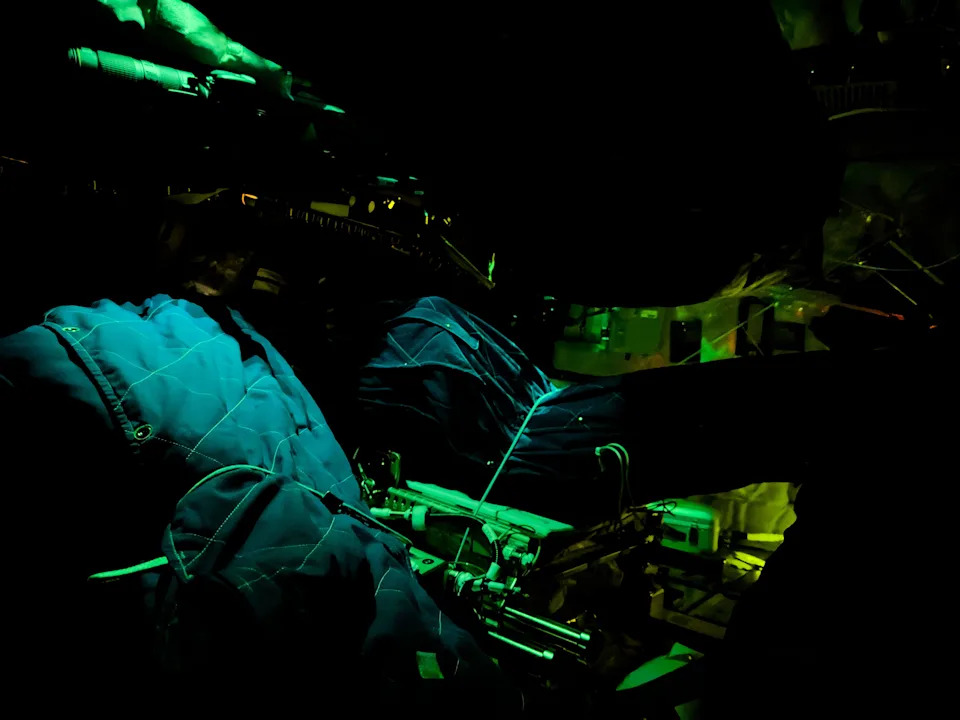
Rest Before Lunar FlybyArtemis II crewmember sleeping bags are illuminated inside the Orion spacecraft on Flight Day 5 of the mission and ahead of the crew's lunar flyby on April 6, 2026.
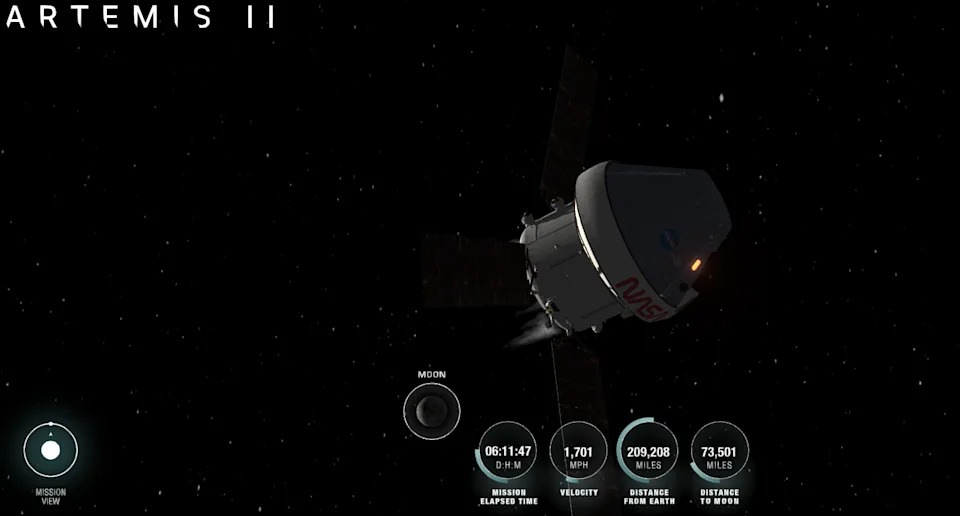
This screengrab from NASA's virtual Artemis II tracker shows a visualization of the Orion capsule, along with updates on how far it is from the moon and Earth as of April 8.
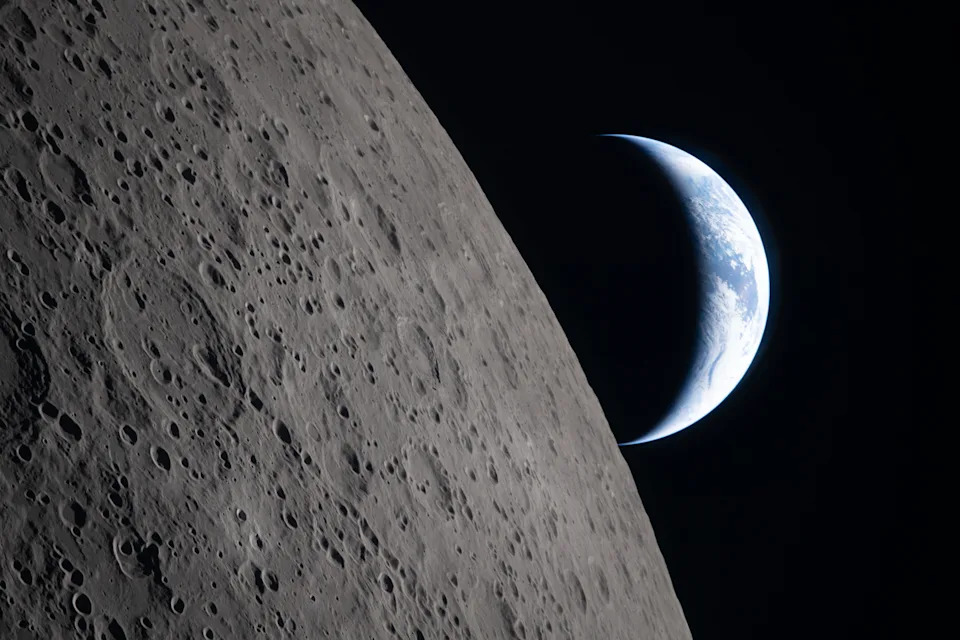
Peeking at the EarthAs the Artemis II crew came close to passing behind the Moon and experiencing a planned loss of signal on April 6, 2026, they captured this image of a crescent Earth setting on the Moon’s limb. The edge of the visible surface of the Moon is called the “lunar limb.”
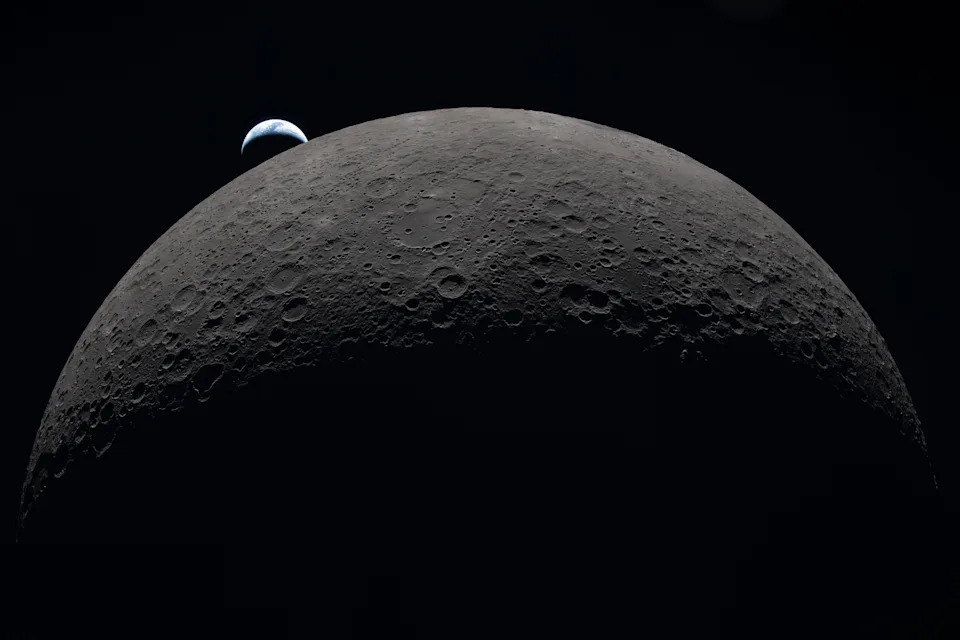
A New View of the MoonEarth sets at 6:41 p.m. EDT, April 6, 2026, over the Moon’s curved limb in this photo captured by the Artemis II crew during their journey around the far side of the Moon.
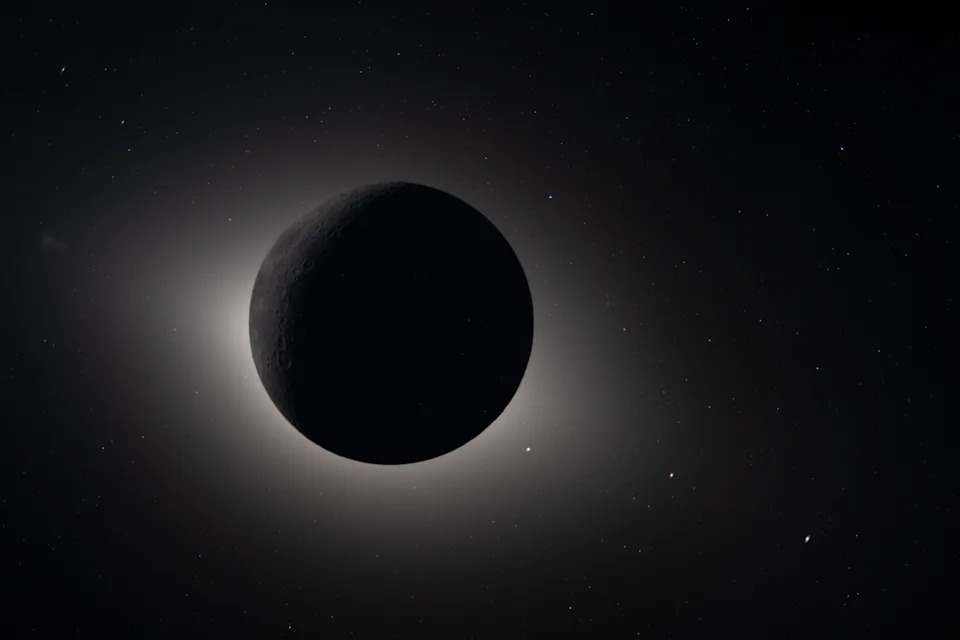
Artemis II in EclipseCaptured by the Artemis II crew during their lunar flyby on April 6, 2026, this image shows the Moon fully eclipsing the Sun. From the crew’s perspective, the Moon appears large enough to completely block the Sun, creating nearly 54 minutes of totality and extending the view far beyond what is possible from Earth. We see a glowing halo around the dark lunar disk.
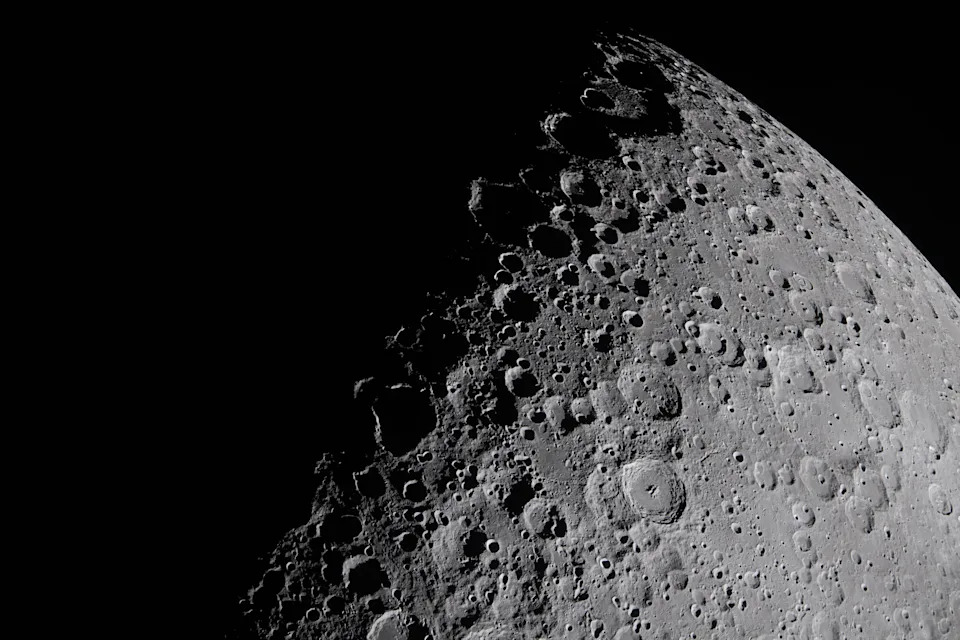
Shadows at the Edge of Lunar DayThe Artemis II crew captures a portion of the Moon coming into view along the terminator – the boundary between lunar day and night – where low-angle sunlight casts long, dramatic shadows across the surface on April 6, 2026. This grazing light accentuates the Moon’s rugged topography, revealing craters, ridges, and basin structures in striking detail. Features along the terminator such as Jule Crater, Birkhoff Crater, Stebbins Crater, and surrounding highlands stand out. From this perspective, the interplay of light and shadow highlights the complexity of the lunar surface in ways not visible under full illumination. The image was captured about three hours into the crew’s lunar observation period, as they flew around the far side of the Moon on the sixth day of the mission.
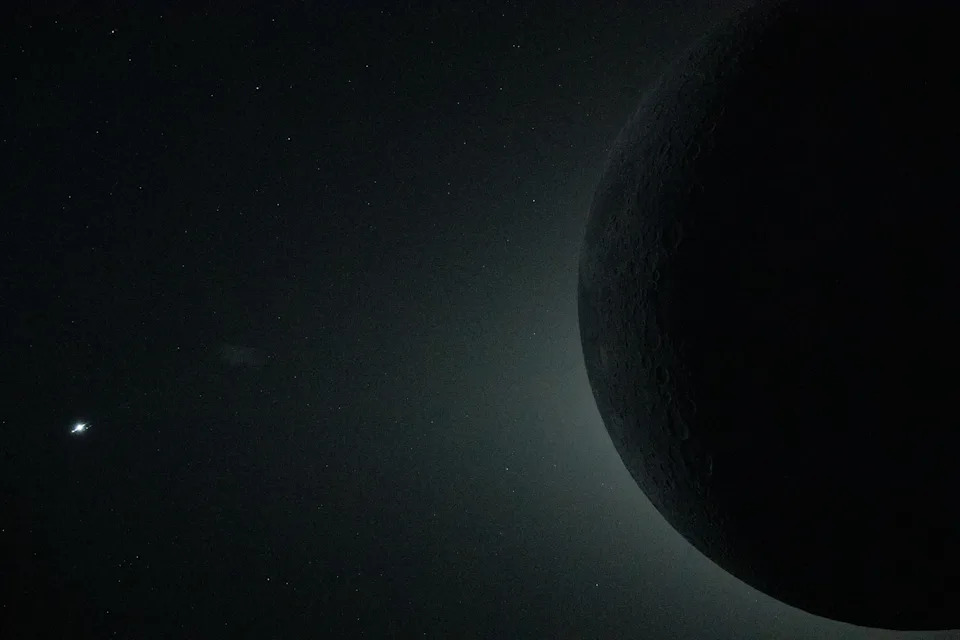
Artemis II Total Solar Eclipse, Partial FrameA close-up view from the Orion spacecraft during the Artemis II crew’s lunar flyby on April 6, 2026, captures a total solar eclipse, with only part of the Moon visible in the frame as it fully obscures the Sun.
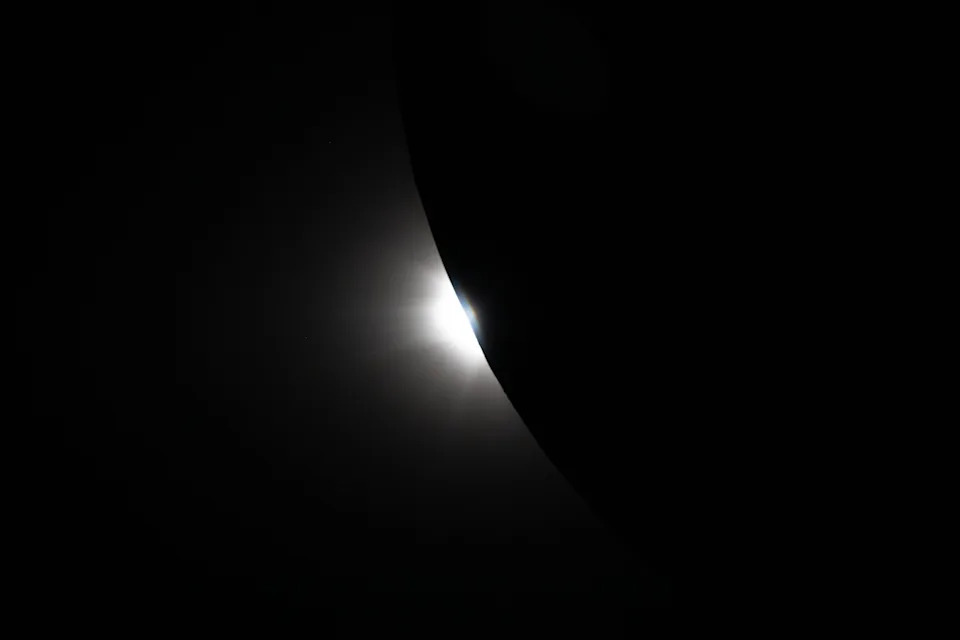
Solar Eclipse Emergence from OrionCaptured from the Orion spacecraft near the end of the Artemis II lunar flyby on April 6, this image shows the Sun beginning to peek out from behind the Moon as the eclipse transitions out of totality.
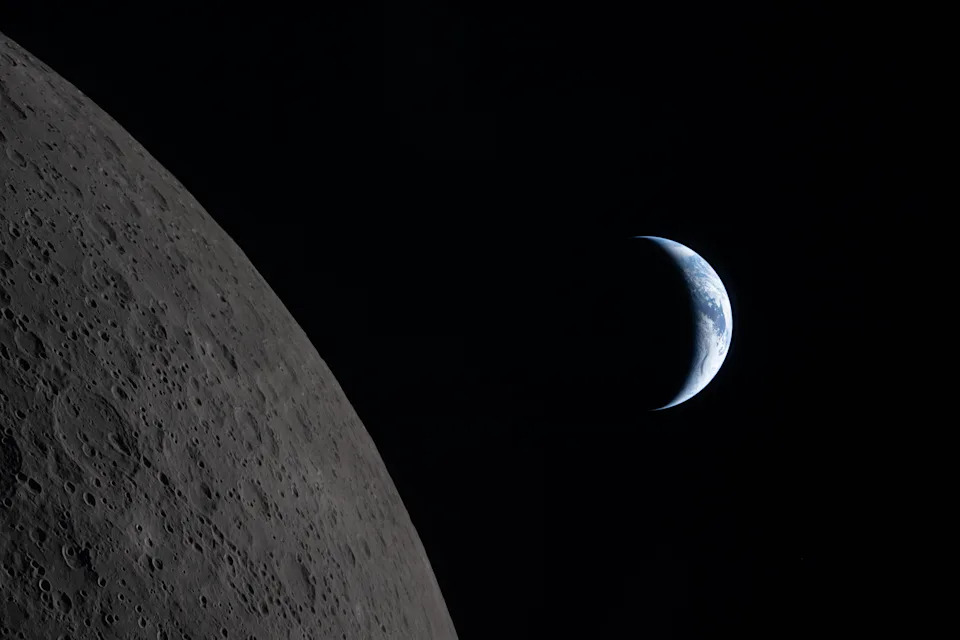
The Edge of Two WorldsEarth draws closer to passing behind the Moon in this image captured by the Artemis II crew during their lunar flyby, about six minutes before Earthset.
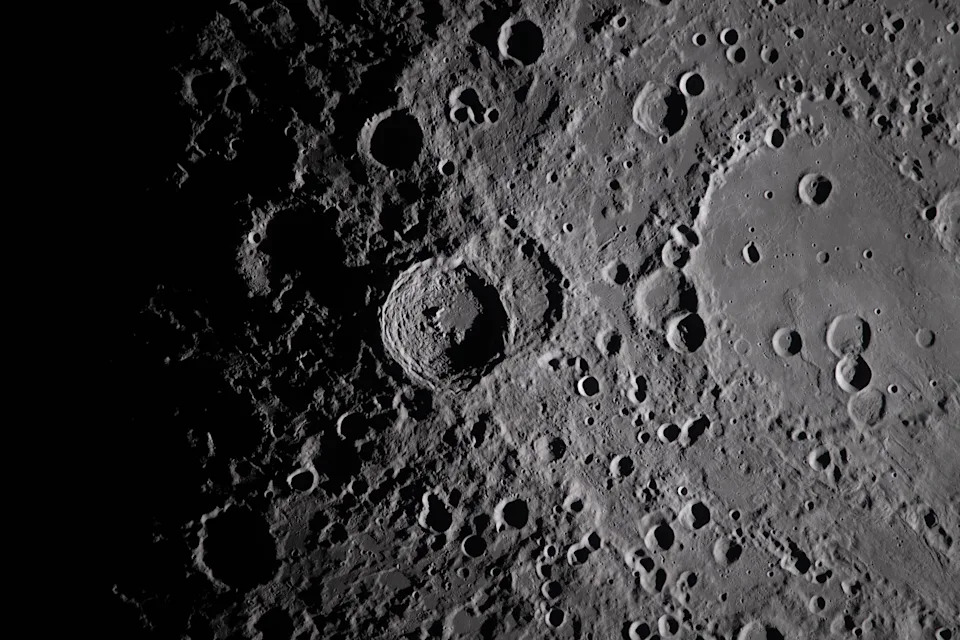
Shadows Across Vavilov CraterA close-up view taken by the Artemis II crew of Vavilov Crater on the rim of the older and larger Hertzsprung basin.
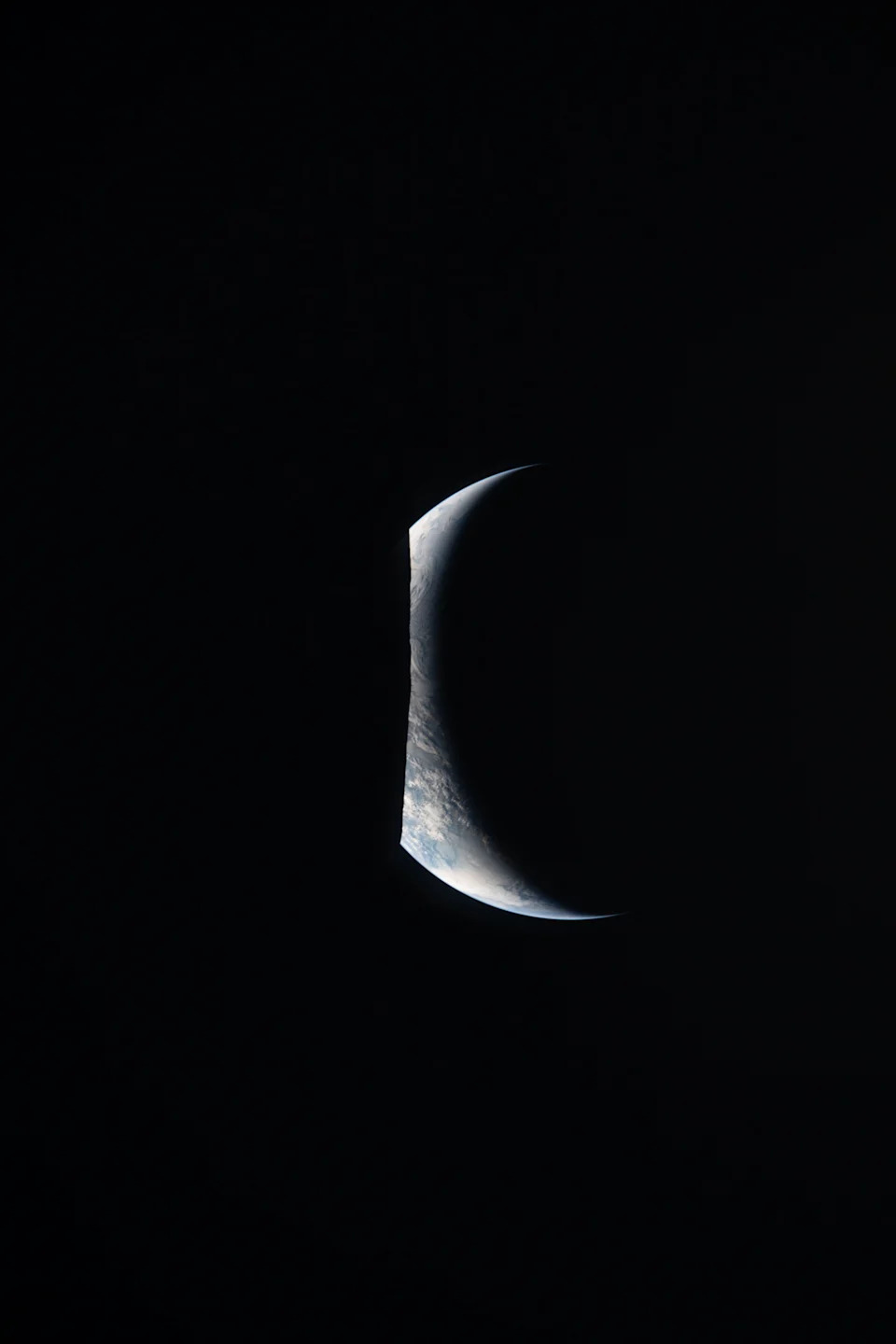
Artemis Era EarthriseEarthrise captured through the Orion spacecraft window at 7:22 p.m. ET during the Artemis II crew’s flyby of the Moon’s far side.
Help us improve.





















