
DNA extracted from material collected from the Shroud of Turin in 1978 contains human, animal, plant and microbial traces that reflect centuries of handling and exposure. Approximately 38.7–40% of the human genetic signal aligns with Indian lineages, leading researchers to suggest the yarn used to weave the linen may have origins near the ancient Indus Valley. The work is reported in a bioRxiv preprint and has not yet been peer reviewed; it does not provide a reliable age for the shroud.
DNA Study Suggests Yarn For Shroud Of Turin May Have Originated Near Indus Valley
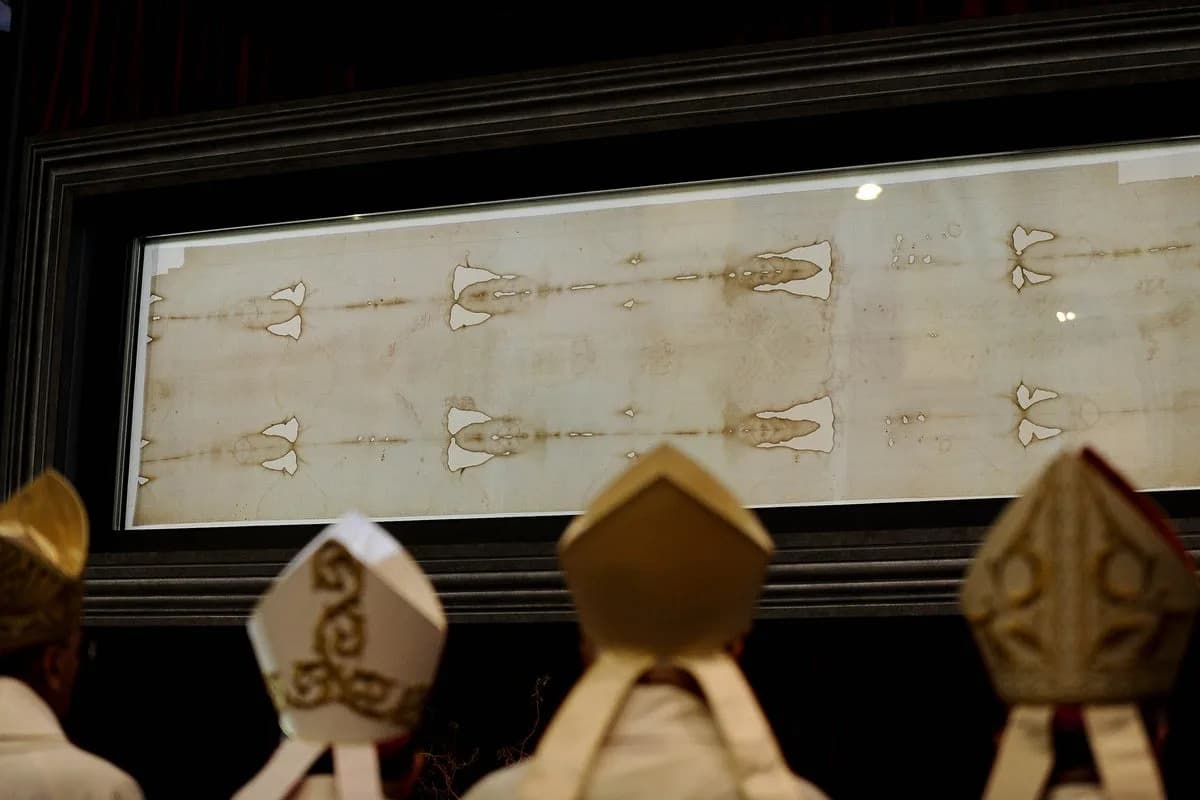
DNA analysis of Shroud of Turin reveals new detail about artefact’s origin
New genetic analyses of material taken from the Shroud of Turin in 1978 have identified biological traces that raise the possibility the yarn used to weave the linen originated in the region around the ancient Indus Valley. The Shroud — a roughly 4.4‑metre by 1.1‑metre linen cloth long associated with Christian tradition — remains a contested relic and continues to attract scientific scrutiny.
Key Findings
Possible South Asian textile link: Researchers, including Gianni Barcaccia of the University of Padova, report that about 38.7–40% of the human genetic signal recovered from the samples aligns with Indian lineages. The authors suggest this could reflect historical trade in linen or yarn from regions near the Indus Valley, or historical contacts between people from those regions and the cloth.
Wide range of contaminant DNA: The study detected DNA from many domestic animals (dogs, cats, chickens, cattle, goats, sheep, pigs and horses) and wild species (deer, rabbits). Plant DNA associated with carrots, peppers, tomatoes, potatoes and several wheat species was also identified. These traces are consistent with centuries of handling, storage and exposure.
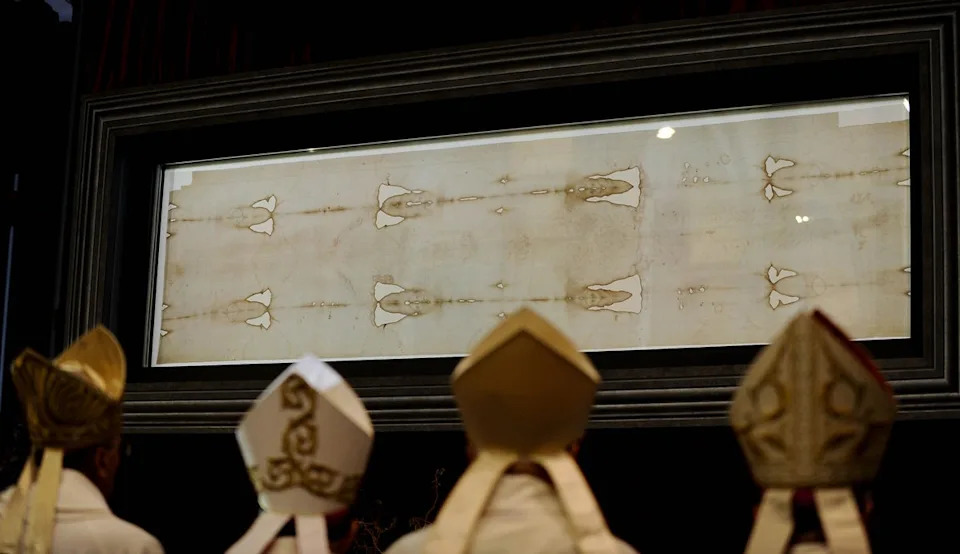
Bishops pray in front of the Shroud of Turin (AFP via Getty Images)
Evidence of heavy handling: Skin-associated bacteria such as Cutibacterium and Staphylococcus were present, supporting the conclusion that the textile experienced intense human contact over time.
Context and Caveats
These results come from analyses published as a preprint on bioRxiv and have not yet undergone peer review. The authors emphasise that the shroud accumulated biological material from many people and environments, making it difficult — if not impossible from these data alone — to isolate any single "original" human DNA signature tied to the cloth's maker or a single historical moment.
Importantly, this genomic and microbial evidence does not provide a reliable method to date the shroud itself. Instead, the findings illuminate the complex, multicultural history of contact and contamination the fabric has experienced during its long and debated journey.
Authors' conclusion: The study offers new biological insight into the Shroud of Turin's interactions with people, animals and environments over centuries, while underscoring the need for cautious interpretation and further peer‑reviewed research.
Help us improve.





















