
The US and Israel have stepped up strikes across Iran, striking universities, research institutes, healthcare facilities and industrial zones. Shahid Beheshti University’s Laser and Plasma Research Institute was destroyed, and Iranian officials report at least 30 universities and more than 20 healthcare sites affected. Attacks on refineries, a near-complete suspension bridge and areas near civilian nuclear sites have raised international legal and humanitarian concerns. Iranian authorities say the campaign has caused over 2,000 fatalities and both sides have warned of further escalation.
Universities and Civilian Infrastructure Hit as US and Israel Intensify Strikes on Iran
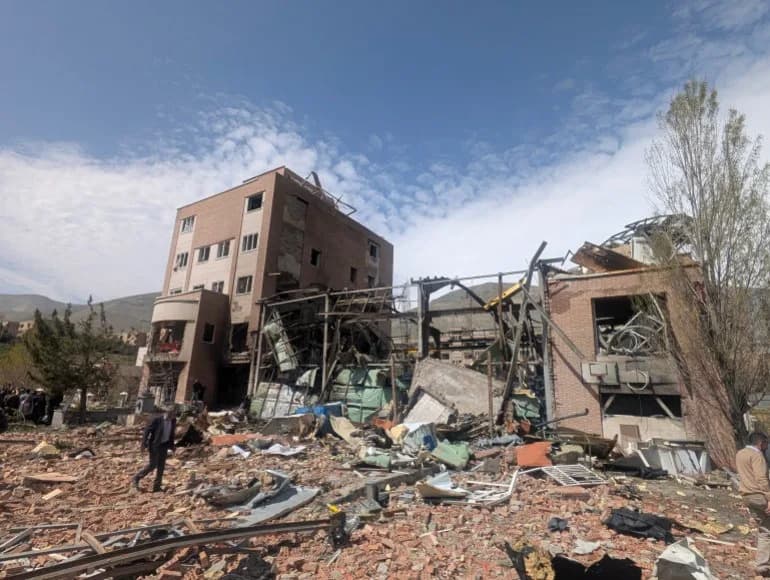
The Laser and Plasma Research Institute of Shahid Beheshti University is in northern Tehran’s Evin area [Maziar Motamedi/Al Jazeera]
Inside the sprawling Shahid Beheshti University campus in northern Tehran, the Laser and Plasma Research Institute lies in ruins after warplanes struck on Friday. The attack is part of a wider pattern of airstrikes by the United States and Israel that have increasingly hit civilian sites across Iran.
Damage to Academic and Research Institutions
The Laser and Plasma Research Institute — affiliated with one of Iran's leading higher-education centres — was heavily damaged. There were no casualties at the university because most classes had been moved online nationwide and the campus was largely empty; nearby dormitories suffered only light damage.
Iranian officials noted that Mohammad Mehdi Tehranchi, a senior theoretical physicist and nuclear scientist who was killed during the opening salvo of Israel’s 12-day campaign in June, had directed a magneto-photonics laboratory at the centre. Shahid Beheshti University described the strike as "an attack on reason, research, and freedom of thought" and urged international colleagues to raise awareness of similar incidents.
Scale of Impact
Hossein Simaei Saraf, Iran's minister of science, research and technology, told reporters that parts of at least 30 universities have been affected by US and Israeli strikes since the start of the war on February 28. Tehran’s Science and Technology University also sustained severe damage, with a research centre known to work on domestically produced satellites reduced to rubble.
Health Services Under Strain
Downtown Tehran’s Pasteur Institute, established over a century ago and formerly affiliated with Institut Pasteur in Paris, was seriously damaged. The World Health Organization (WHO), which collaborates with two of the institute’s departments, confirmed the facility sustained significant damage and was rendered unable to continue delivering health services; it reported no fatalities there.
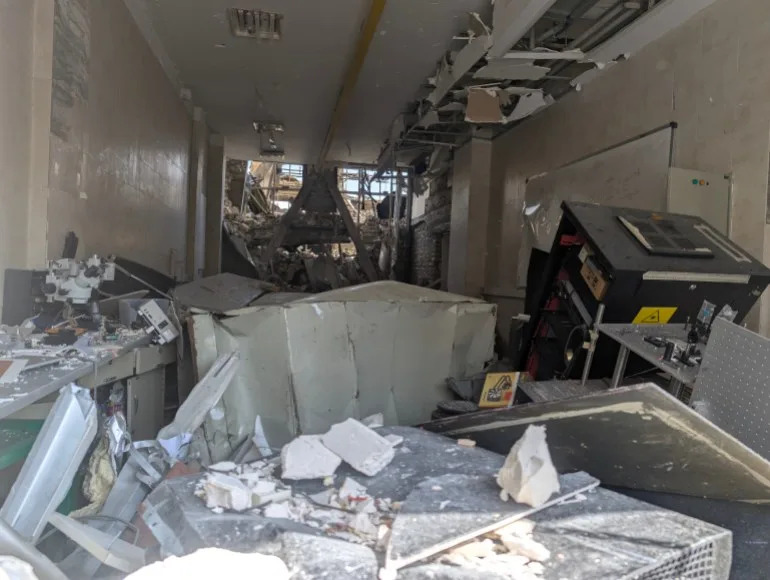
Inside the Laser and Plasma Research Institute of Shahid Beheshti University [Maziar Motamedi/Al Jazeera]
WHO Director-General Tedros Adhanom Ghebreyesus said more than 20 attacks have targeted healthcare facilities in Iran since early March, and highlighted heavy damage to Delaram Sina Psychiatric Hospital in a recent strike.
Economic and Civilian Infrastructure Targeted
Air campaigns have also struck economic and industrial sites. Heavy bombardment hit the Mahshahr economic zone — a major industrial hub and export centre — damaging multiple refineries and wounding at least five people. A major pharmaceutical company near Tehran was also struck; Iranian authorities said the attack aimed to disrupt medicine supply lines, while Israel alleged links between the firm and chemical-weapons production.
Two rounds of air raids severely damaged the recently completed 136-metre (446 ft) B1 suspension bridge near Tehran just before its inauguration, killing at least eight people and wounding more than 90 as many families gathered for Sizdah Bedar (Nature Day). A US official told Axios the bridge was targeted because it was allegedly used to move missiles and parts to launch sites and to support military logistics.
Nuclear-Area Strikes and Casualties
Washington has struck areas near the Bushehr Nuclear Power Plant multiple times during the conflict; the latest reported strike killed a guard and damaged an adjacent structure without affecting the reactor, according to Iranian reports. Several other civilian nuclear sites were also reported damaged in recent days.
International Response and Legal Concerns
"Attacking universities and research centres means returning to the Stone Age," said Iran's minister of science, echoing prior threats to target infrastructure.
More than 100 US legal experts this week condemned strikes that impact civilians, warning the attacks raise "serious concerns about violations of international human rights law and international humanitarian law" and pose a heightened risk of atrocities across the region.
Iranian authorities say US and Israeli strikes have killed more than 2,000 people nationwide; these figures have been reported by Iranian sources and remain subject to independent verification. Both Tehran and its adversaries have issued stark warnings and threats of further escalation, and observers say attacks on civilian infrastructure — power stations, water facilities and health services — carry serious legal and humanitarian implications.
Help us improve.





















