
The International Association of Chiefs of Police urged the White House to convene federal, state and local law enforcement leaders after the fatal federal-agent shooting of Alex Pretti in Minneapolis. Nearly 20 organizations met in early March and issued shared principles calling for clearer communication, a focus on violent offenders, and safeguards for officer and community safety. DHS defended its partnerships, saying ICE agreements have risen by more than 1,000%, while local leaders warned uncoordinated operations damage trust and officer safety. The groups also urged the federal government to reduce politicized rhetoric and pledged to continue working toward clearer protocols.
Police Chiefs Push White House for Clear Guidelines to Rebuild Trust After Federal Immigration Operations
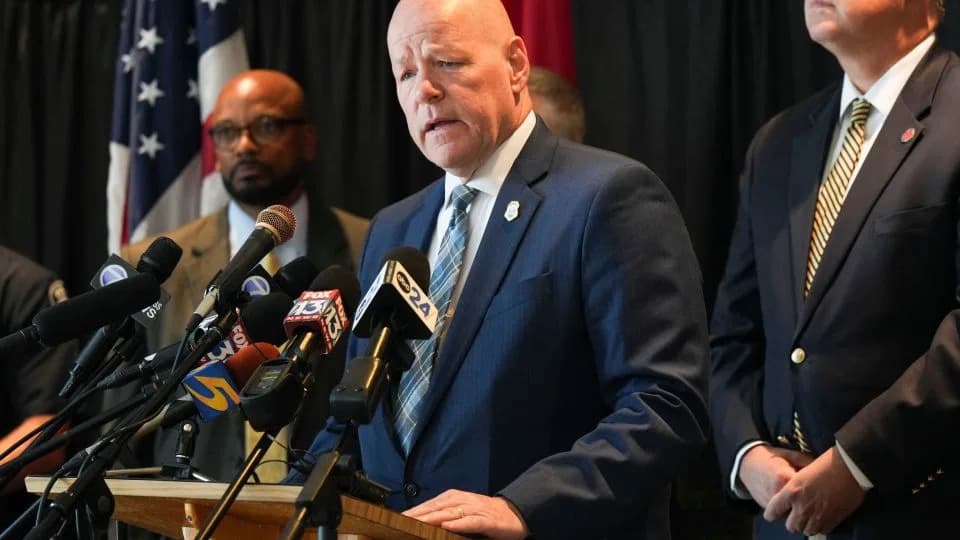
The International Association of Chiefs of Police – led by David Rausch, center – has published "shared principles" aimed at improving federal, state and local law enforcement coordination during immigration operations. - Jamar Coach/The Jackson Sun/USA Today Network/Imagn Images/File
One day after federal agents fatally shot Alex Pretti in Minneapolis, the International Association of Chiefs of Police (IACP) urged the White House to convene federal, state and local law enforcement leaders to better coordinate immigration enforcement and safeguard community trust.
The White House responded, and nearly 20 organizations — including the National League of Cities, the National District Attorneys Association and the Small and Rural Law Enforcement Executives' Association — joined an early March meeting organized by the IACP, IACP President David Rausch told CNN.
Participants produced a set of shared principles aimed at improving operational communication, aligning tactics, and prioritizing public- and officer-safety during immigration-related activities. The guidelines emphasize clearer communication between federal and local agencies, targeting violent offenders rather than broad civil enforcement, and protecting community trust.
What the Shared Principles Say
- Restore Reliable Operational Communication: Coordinate timing, roles and expectations before joint actions to reduce confusion and risk on the ground.
- Clarify Roles and Authorities: Respect legal limits on local participation in civil immigration enforcement and avoid assigning responsibilities local agencies do not have.
- Focus on Violent Criminals: Prioritize enforcement against individuals who threaten public safety rather than broad, statistics-driven operations that can harm trust.
- Protect Officer and Community Safety: Align tactics and protocols to reduce dangers to officers and residents in jurisdictions where federal operations occur.
- Depoliticize Rhetoric: Tone down partisan language that can erode legitimacy and public confidence in policing.
"When we’re not working together, things can be unsafe for communities and for officers. Expectations and protocols need to be aligned, tactics need to be consistent," Rausch said.
CNN Chief Law Enforcement and Intelligence Analyst John Miller described the IACP statement as unusually candid: a striking public critique from the organization that represents police chiefs nationwide. Miller said it signals widespread concern that aggressive federal immigration tactics have strained community relationships local police worked to build over many years.
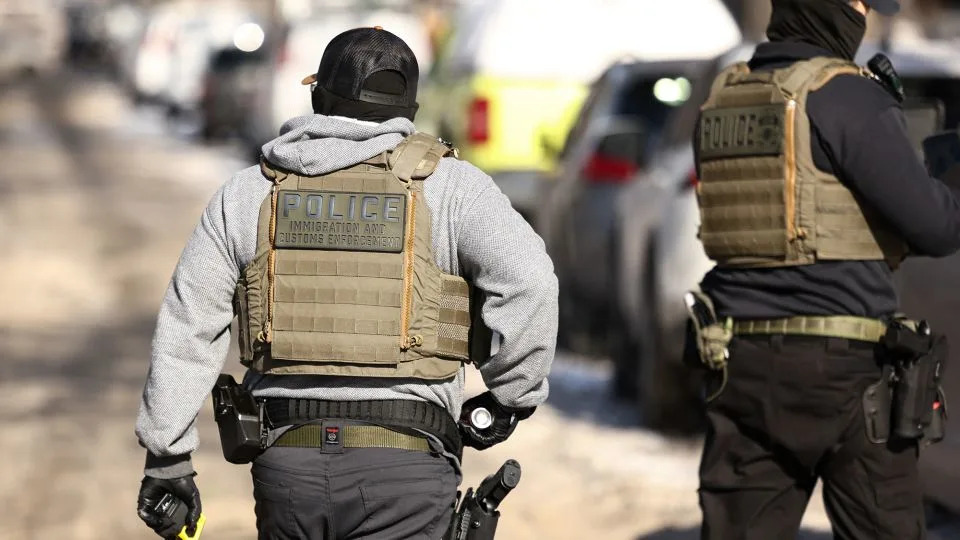
Federal agents are seen during an immigration enforcement operation in Minneapolis on February 3, 2026. - Charly Triballeau/AFP/Getty Images
The Department of Homeland Security (DHS) defended its partnerships with local law enforcement. A DHS spokesperson said partnerships are "critical to having the resources we need to arrest criminal illegal aliens across the country" and added that agreements to assist ICE operations have increased by more than 1,000%. The spokesperson also said those partnerships help make communities safer.
But many local departments either lack authority or are barred by city policies from taking part in civil immigration enforcement. Several police chiefs told the working group that surprise federal operations on city streets have at times put local officers at risk and undermined public trust.
The coalition of public-safety organizations behind the guidance said it will continue to press for regular conversations, clearer protocols, and enforcement tactics that align with constitutional policing and community expectations.
New DHS Secretary Markwayne Mullin said during his confirmation hearing that he intends to take a different approach than the agency's controversial predecessor and try to keep DHS out of headlines. Rausch told CNN he is cautiously optimistic that Mullin offers a chance for renewed dialogue "that, frankly, should have happened previously."
Help us improve.





















