
On March 25, astronaut Don Pettit posted a viral photo of a purple, egg-shaped object aboard the ISS that many called an “alien space egg.” He later revealed the object was a potato he grew during Expedition 72, nicknamed Spudnik-1, anchored with Velcro inside an improvised garden; microgravity made its early tendrils look otherworldly. Potatoes are promising for long missions because they deliver high edible nutrition relative to plant mass. The moment highlights NASA’s ongoing research into space-grown crops, including Plant Habitat‑07, as the agency prepares for Artemis lunar missions and longer-duration exploration.
NASA Astronaut’s Viral “Alien Space Egg” Photo Was Actually a Space-Grown Potato
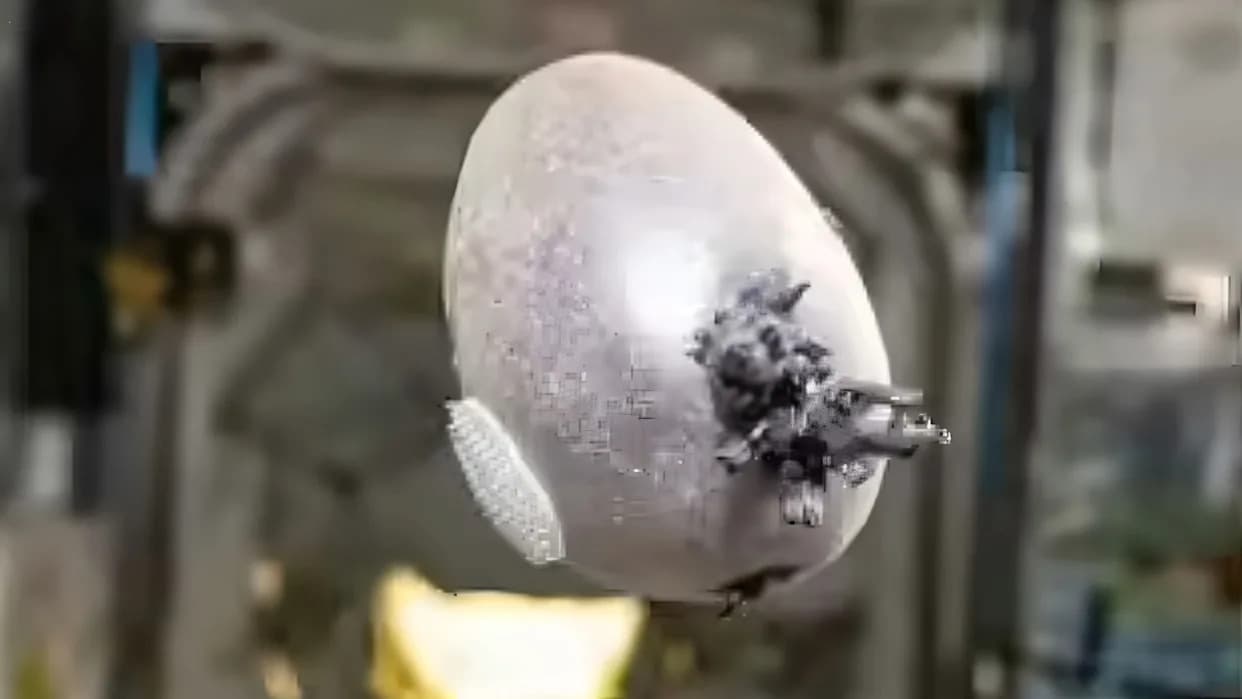
Image Courtesy of NASA. Used with Permission.
NASA astronaut Don Pettit sparked a burst of online reaction after posting a photo on March 25 that many social media users jokingly dubbed an “alien space egg.” The purple, egg-shaped object with string-like tendrils was floating inside the International Space Station — but Pettit later revealed a much more down-to-Earth explanation.
What It Really Was
NASA Rolls Out Artemis II Rocket as Astronauts Enter Quarantine
Pettit clarified that the object was a potato he had been cultivating as part of a personal space-gardening experiment during Expedition 72. He nicknamed the tuber “Spudnik-1.” The plant was anchored with Velcro inside a small, improvised growing setup; the filamentous tendrils in the photo were early growths whose shape was exaggerated by microgravity.
“I flew potatoes on Expedition 72 for my space garden,” Pettit told Fox Weather, noting that the project was partly inspired by the film The Martian, where potatoes serve as a survival crop.
Why Potatoes?
NASA Is Getting Serious About Building a Moon Base
Pettit noted that potatoes are highly efficient in terms of edible nutrition relative to total plant mass, which makes them attractive candidates for long-duration missions. Transporting all required food from Earth is impractical for extended lunar or deep-space missions, and stored supplies can degrade over time, so reliable in‑situ cultivation is essential.
Research And Context
NASA's Van Allen Probe A Set to Re-Enter Earth's Atmosphere Tonight
NASA has invested years in studying how crops grow in microgravity. Researchers have successfully grown lettuce, kale, mustard greens and flowers aboard orbital platforms, and experiments such as Plant Habitat-07 examine how water delivery, light exposure and plant genetics affect growth in space. These studies support broader exploration goals, including Artemis-era plans for crewed lunar missions and eventual longer stays on the Moon.
This cheeky viral moment — a domestic twist that briefly read as extraterrestrial — underscores public fascination with space agriculture and the everyday science experiments astronauts run aboard the ISS.
Help us improve.





















