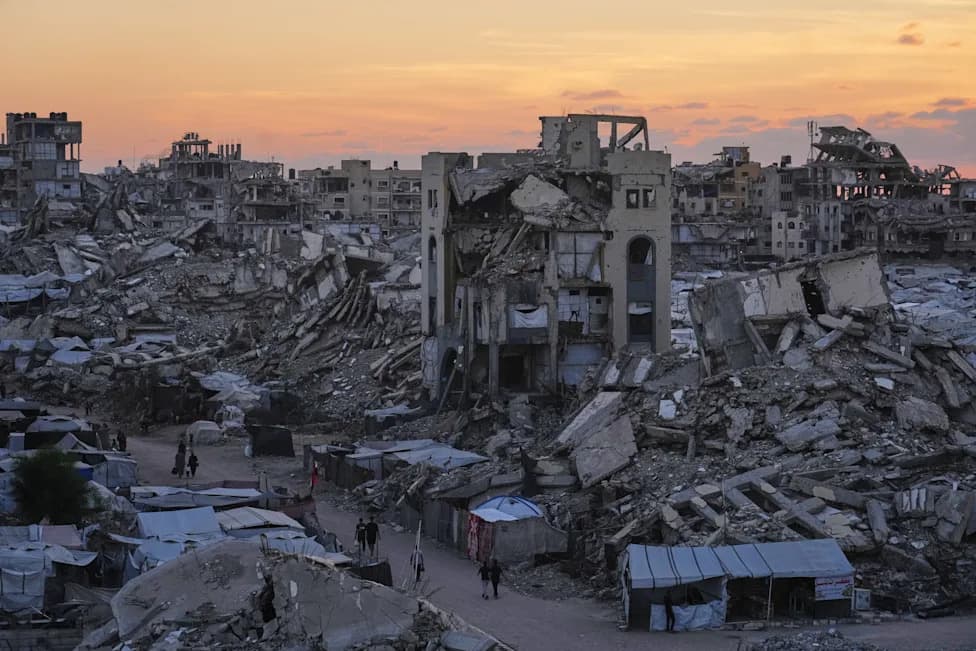
Three journalists — Ali Shoaib, Fatima Ftouni and Mohamad Ftouni — were killed when their clearly marked press car was struck near Jezzine in southern Lebanon. The Israeli military said one victim was a Hezbollah operative but has provided no corroborating evidence and acknowledged a circulated photo was photoshopped. Press-freedom groups including the CPJ and IFJ condemned the killings and demanded an independent international investigation. The deaths raise the number of journalists killed in Lebanon during the recent escalation to five and add to the record number of journalist fatalities in 2025.
Three Journalists Killed in Southern Lebanon Strike; Press Groups Demand Independent Probe
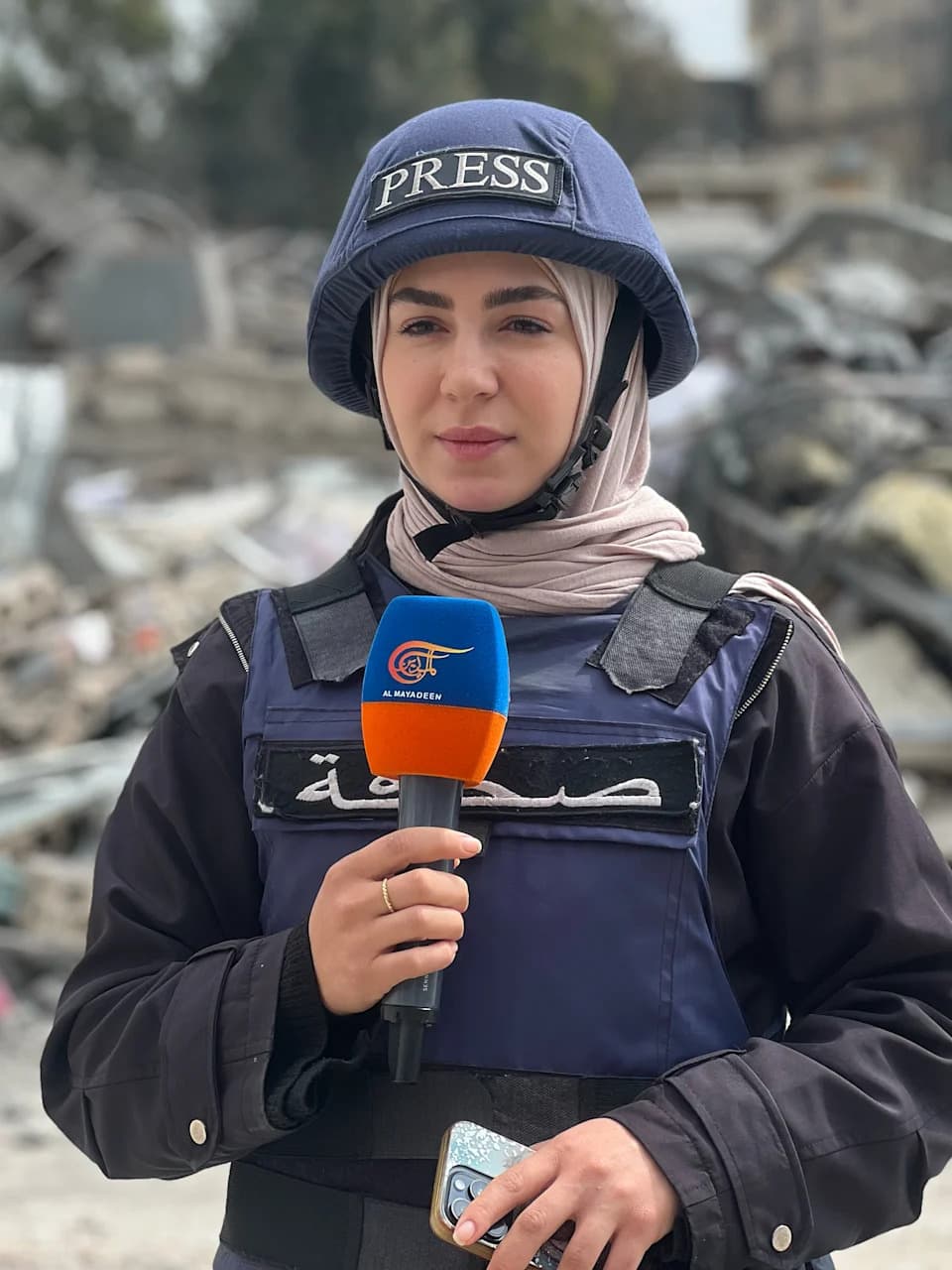
In this Saturday, March 7, 2026 photo, Al-Mayadeen TV reporter Fatima Ftouni who, according to the Al-Mayadeen TV station, was killed in an Israeli airstrike with other journalists in the town of Jezzine, south Lebanon, Saturday, March 28, 2026, is seen reporting from Nabatiyeh town. —Hawraa Raad—Associated Press
Three journalists were killed when a clearly marked press vehicle was struck on a highway near Jezzine in southern Lebanon, prompting urgent calls from press-freedom groups for an independent investigation.
What Happened
The Committee to Protect Journalists (CPJ) said it is investigating an Israeli strike that on Saturday killed Ali Shoaib, a correspondent for Hezbollah-affiliated Al-Manar TV; Fatima Ftouni, a journalist with Al-Mayadeen TV; and her brother Mohamad Ftouni, a freelance photojournalist. An Al-Araby TV reporter who visited the scene said Ftouni survived an initial hit to the vehicle but was struck and killed by a second strike a few meters away.
Claims and Evidence
The Israeli military acknowledged carrying out the strike and said Shoaib was a member of Hezbollah’s Radwan special forces unit who had “moved for years disguised as a journalist.” Spokesman Avichay Adraee posted on X that Shoaib had “systematically exposed the locations of Defense Army forces operating in southern Lebanon and along the border line.”
However, the military has provided no corroborating evidence. It circulated a photograph it said showed Shoaib in military fatigues, but when Fox News requested the image an Israeli spokesperson said: "Unfortunately there isn’t really a picture of it, it was photoshopped." CPJ and other rights groups say Israel has a pattern of accusing journalists of combatant activity without producing credible proof.
Reactions and Calls for Investigation
Sara Qudah, CPJ Regional Director: "We have seen a disturbing pattern in this war and in the decades prior of Israel accusing journalists of being active combatants and terrorists without providing credible evidence."
The International Federation of Journalists (IFJ) also condemned the strike. IFJ General Secretary Anthony Bellanger said: "Journalists are civilians protected by international humanitarian law. By deliberately targeting these three media professionals, the State of Israel is once again seriously violating this law." The IFJ demanded an independent international investigation to identify and prosecute those responsible.
Lebanese officials including President Joseph Aoun and Information Minister Paul Morcos described the attack as a war crime and urged protection for journalists and adherence to international norms.
Context
Saturday’s killings raise the number of journalists killed in Lebanon during the most recent escalation between Israel and Hezbollah to five since March 2. According to the CPJ, 11 journalists in Lebanon have been killed by Israeli strikes since the Gaza conflict began on Oct. 7, 2023, including five Al-Mayadeen staffers.
A CPJ report released in February found that 2025 was the deadliest year on record for journalists, with 129 journalists killed worldwide; the CPJ attributed 86 of those deaths to Israeli forces. The organization says this is the highest toll since it began tracking journalist fatalities in 1992.
Legal and Ethical Notes
Al-Manar is owned by Hezbollah, but the broadcaster is regarded as a civilian organization protected under international humanitarian law. Humanitarian law distinguishes between genuine media work, which is protected, and direct participation in hostilities, which is not. Rights groups stress that affiliation with a politically affiliated outlet is not, on its own, lawful grounds for lethal targeting.
Key facts: three journalists killed near Jezzine; Israeli military admitted the strike but provided no verifiable evidence that the victims were combatants; press organizations and Lebanese leaders demand an independent international investigation.
Help us improve.