
Pakistan and Iran have agreed to allow 20 Pakistani-flagged vessels to transit the Strait of Hormuz, with two ships passing each day. The move comes amid severe disruptions since coordinated strikes on February 28 that helped trigger a wider regional confrontation, leaving around 2,000 vessels stranded and pushing oil above $100 a barrel. Iran’s IRGC currently enforces strict clearance procedures and some reports say vessels have paid high fees to pass; Iran’s parliament is considering legalising tolls. Pakistan has engaged in intensive diplomacy and offered to host talks to help restore stability.
Pakistan Secures Deal to Transit 20 Ships Through Strait of Hormuz — A Potential Relief for Global Energy Supply
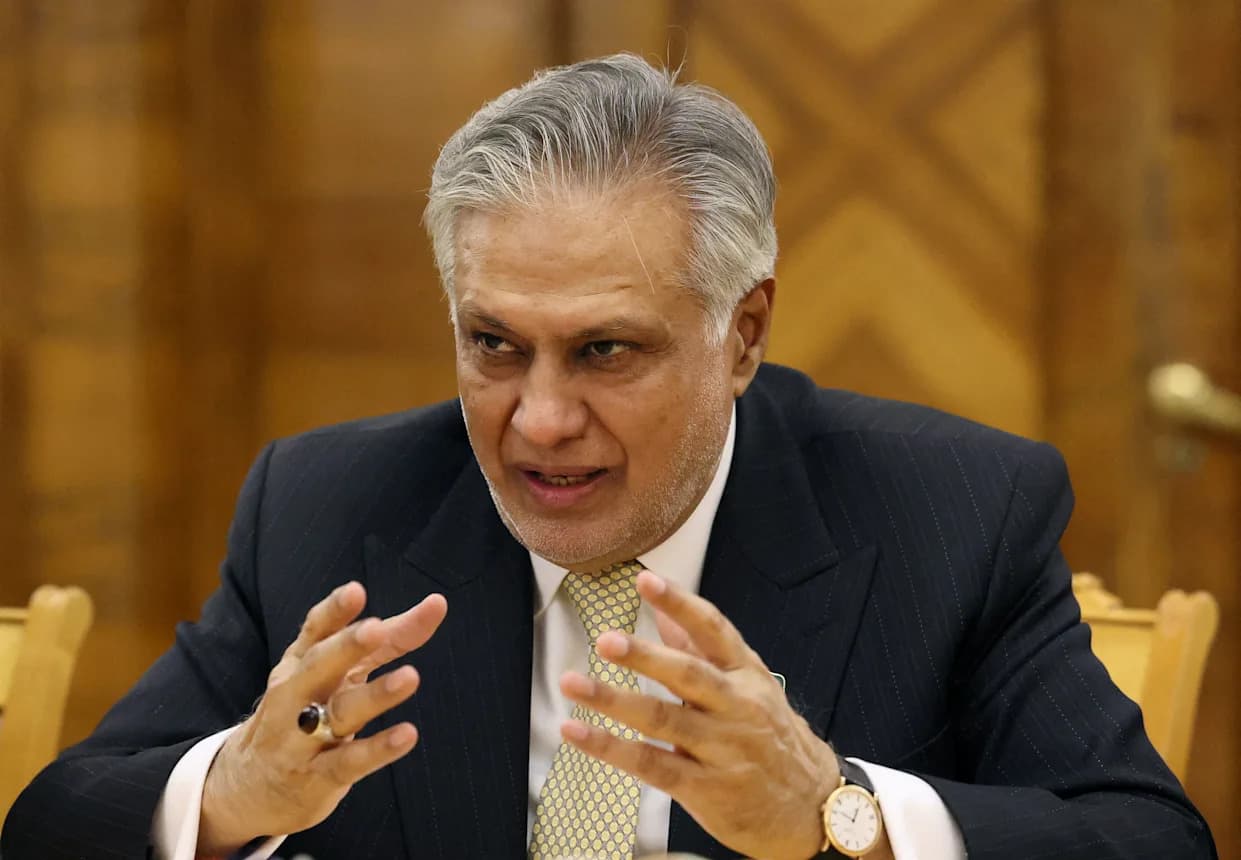
Pakistan's Foreign Minister Ishaq Dar hailed Iran's decision to allow 20 Pakistani-flagged vessels to transit the Strait of Hormuz [File: Shamil Zhumatov/Pool/Reuters]
Pakistan and Iran have reached an arrangement allowing 20 Pakistani-flagged vessels to transit the Strait of Hormuz, a move Islamabad says could help ease a mounting global energy crisis. Pakistan’s foreign minister, Ishaq Dar, announced the agreement on X, saying that two ships will pass through the strait each day under the arrangement.
What the Deal Means
Dar described Iran’s decision as "a harbinger of peace" and a "welcome and constructive gesture." In his post he directly addressed several international figures, signaling that Pakistan views the agreement as part of broader diplomatic efforts to reduce regional tensions rather than a purely bilateral shipping pact.
Background: Disruption in the Strait
The Strait of Hormuz, one of the world’s key maritime choke points for oil and liquefied natural gas, has seen severe disruptions since coordinated strikes on February 28 that helped spark a wider regional confrontation. Reports say the disruption has left roughly 2,000 vessels stranded on either side of the narrow waterway, and maritime traffic through the strait is estimated to be down by about 90 percent. Benchmark oil prices have risen above $100 a barrel — roughly a 40 percent increase from recent levels.
How Passage Is Being Managed
Iran’s Islamic Revolutionary Guard Corps (IRGC) has been managing vessel movements in parts of the strait, requiring ships to submit cargo manifests, crew lists and destination details to approved intermediaries, obtain a clearance code, and accept an escort through Iranian territorial waters. Several media reports say at least two vessels paid around $2 million per crossing, with payments reportedly settled in Chinese yuan. Iran’s parliament is now debating whether to legalise such tolls as a long-term revenue source.
"The Strait of Hormuz is not an oil chokepoint," wrote Mohammed Al-Hashemi in Al Jazeera, calling it "the aortic valve of globalised production" and warning of systemic effects if the corridor fails.
Diplomacy And Wider Reactions
Saturday’s agreement followed an intense week of Pakistani diplomacy. Army chief Field Marshal Asim Munir spoke with US President Donald Trump, and Foreign Minister Dar held calls with his Iranian and Turkish counterparts. Pakistan shares a roughly 900 km border with Iran and has offered to host talks if the parties wish to pursue a negotiated settlement.
World Trade Organization director-general Ngozi Okonjo-Iweala warned of severe disruption to global trade, calling it among the worst interruptions in decades. Malaysian Prime Minister Anwar Ibrahim said Malaysian ships had been permitted to cross after thanking Iran’s president. Emirati minister Sultan Al Jaber condemned the chokehold as "economic terrorism," highlighting the immediate impact on consumers worldwide.
Outlook
The Pakistan-Iran arrangement is limited in scale but could serve as a confidence-building step if implemented securely and consistently. Many uncertainties remain: shipping companies face security, insurance and legal questions, and Iran’s moves to formalise tolls could complicate international maritime norms. For now, the deal is a narrow but notable development amid broader diplomatic efforts to stabilise the region and restore vital maritime traffic.
Help us improve.





















