
Two studies in Nature report the oldest clear genetic evidence of domesticated dogs, dated to 15,800–14,000 years ago — about 5,000 years earlier than previous genetic records. Scientists analysed ancient DNA from over 200 canid remains, including specimens from Pınarbaşı (Türkiye) and Gough’s Cave (England). Chemical and cut-mark analyses show ancient dogs shared diets with humans and were sometimes treated in ways similar to people, implying close social or symbolic roles. The research clarifies the timeline of domestication and highlights long-standing human–dog ties.
New Genetic Evidence Pushes Dog Domestication Back 5,000 Years — Dogs Lived With Humans 15,800–14,000 Years Ago
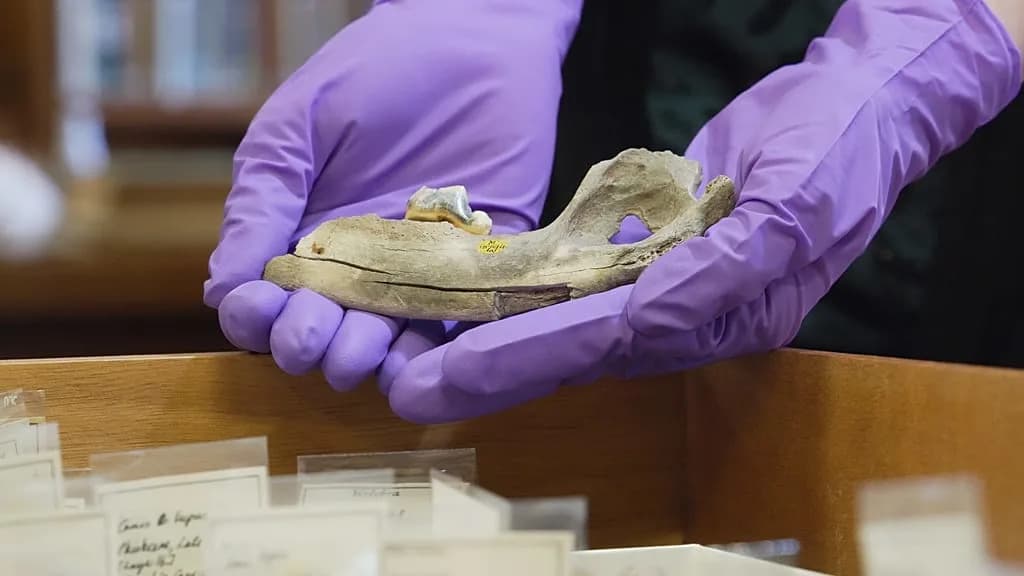
Man's older friend: New study finds dogs lived with humans 5,000 years earlier than thought
Two new genetic studies published in Nature reveal the earliest clear evidence that wolves were becoming domesticated dogs roughly 15,800–14,000 years ago — about 5,000 years earlier than previous genetic estimates. The research, which analysed ancient DNA from more than 200 canid remains across Europe and Asia, fills important gaps in the timeline of how wolves integrated into human communities.
What the Studies Found
Researchers sequenced and compared ancient genetic material from both wolves and dogs, highlighting key specimens from sites such as Pınarbaşı in central Türkiye and Gough’s Cave in southwest England. These analyses identified genetic signatures consistent with early domestication, making them the oldest clear genetic markers of domestic dogs to date.
Human And Dog Lives Intertwined
Chemical analysis of remains from Pınarbaşı suggests these ancient dogs ate fish — a diet mirroring nearby human populations — pointing to shared resource use and close ecological ties. At Gough’s Cave, archaeologists examined a dog jawbone bearing deliberate cut marks and signs of careful processing after death. Although butchered, the dog’s remains were handled in ways similar to human bones at the site, suggesting a role for dogs that went beyond mere livestock or wild game and into social or symbolic spheres.
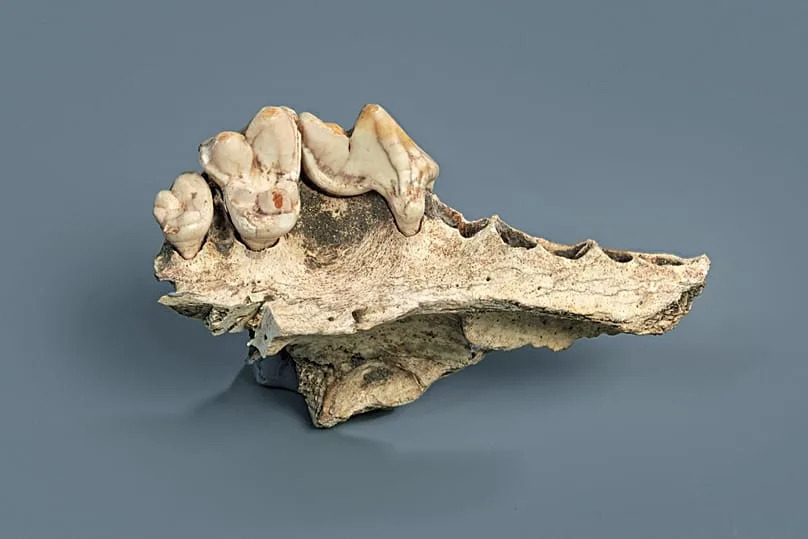
Ancient dog jawbone that was found in the Kesserloch cave in Switzerland- Cantonal Archaeological Service of Schaffhausen/ Ivan Ivic via AP Photo
“This is the earliest clear genetic evidence we have for domestic dogs,”
said Pontus Skoglund, co-author and geneticist at the Francis Crick Institute in London.
Co-author Lachie Scarsbrook of Ludwig Maximilian University of Munich added that dogs have accompanied human societies for millennia and remain important companions today.
Advances In Ancient DNA Techniques
Improved methods for isolating dog-specific fragments from ancient samples allowed researchers to separate signals of domestication from wild ancestry and to produce a clearer picture of early dog evolution. By combining genomic sequencing with chemical and cut-mark analyses, the teams reconstructed not just a genetic timeline but also evidence of the cultural roles dogs played in prehistoric communities.
Why It Matters
These findings shift our understanding of when and how dogs became part of human life, showing that the human–dog relationship began far earlier than previously documented by genetic data. The studies emphasize both biological and cultural connections that helped shape a partnership unique in the animal kingdom.
Help us improve.





















