
Israel launched fresh strikes on Tehran and western Iran while U.S. officials said ceasefire talks were "going very well" and extended a deadline to reopen the Strait of Hormuz to April 6. Washington has presented a 15‑point ceasefire plan; Iran rejected the offer and proposed a five‑point counterplan. The conflict has rattled global markets, pushed Brent crude above $100 a barrel, and caused widespread civilian damage in Iran, raising fears of a larger humanitarian crisis.
Israel Launches Fresh Strikes On Iran As Diplomatic Breakthrough Remains Elusive
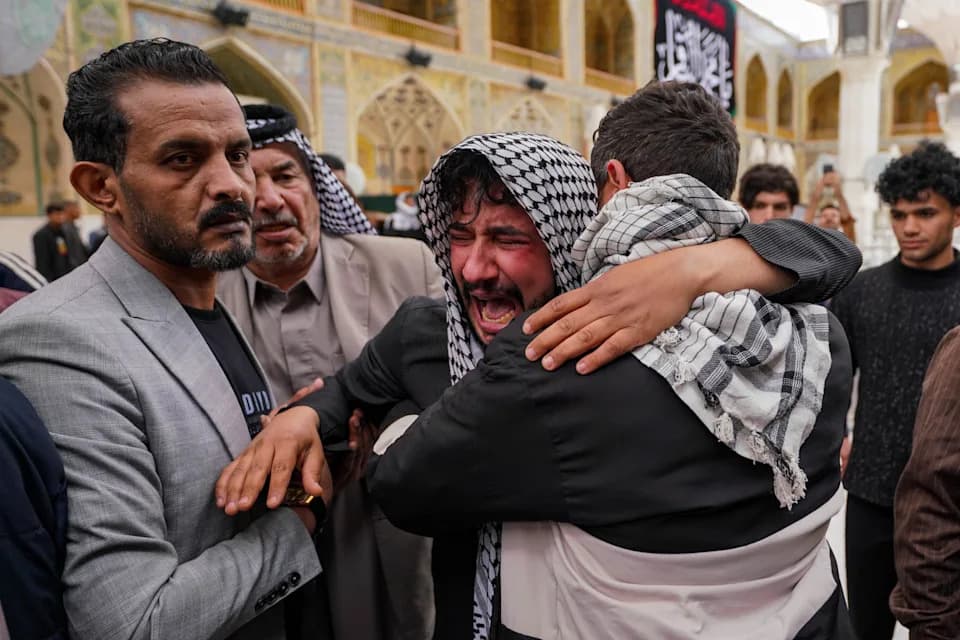
Relatives grieve an Iraqi soldier killed in a strike Wednesday on a military clinic in western Iraq's Anbar province, during a mass procession inside the shrine of Imam Ali in Najaf, Iraq, Thursday, March 26, 2026. (AP Photo/Anmar Khalil)(ASSOCIATED PRESS)
Israel launched a new wave of strikes against targets in Iran on Friday as diplomatic efforts to end the fighting showed no clear breakthrough. U.S. President Donald Trump said talks were progressing and postponed his deadline to reopen the Strait of Hormuz to April 6, but Iran denied it was engaged in negotiations.
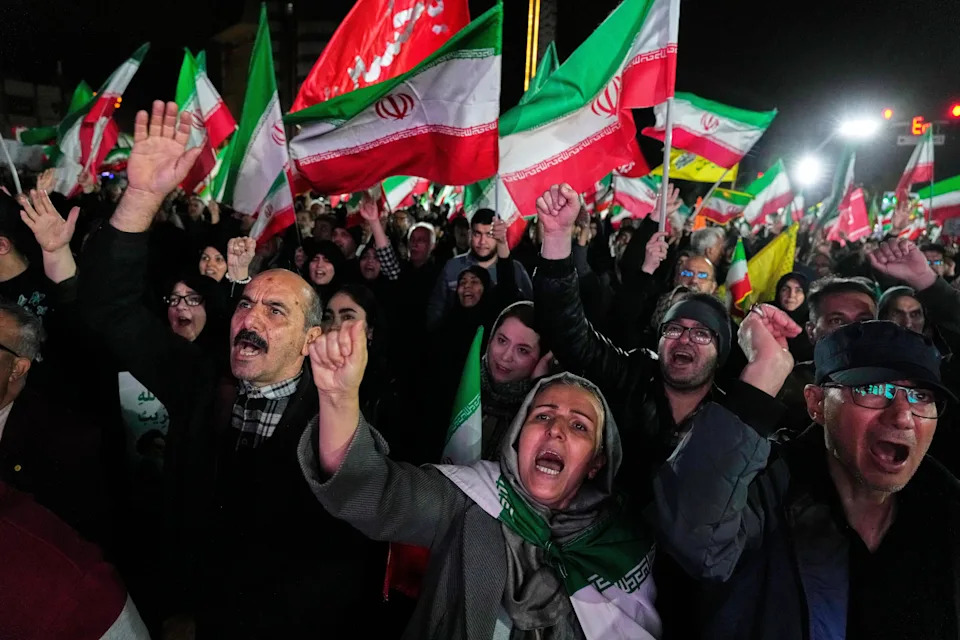
Pro-government supporters chant slogans and wave Iranian flags during a rally, in a square in western Tehran, Iran, Wednesday, March 25, 2026. (AP Photo/Vahid Salemi)(ASSOCIATED PRESS)
Strikes, Targets and Regional Tensions
The Israeli military said strikes hit sites "in the heart of Tehran" used to produce ballistic missiles and other weapons, and also struck missile launchers and storage facilities in western Iran. Smoke was reported over Beirut, although Israel did not immediately claim attacks on Lebanon’s capital. Air-raid sirens sounded across Israel as forces worked to intercept incoming Iranian missiles, while Gulf states reported further missile and drone activity originating from Iran.
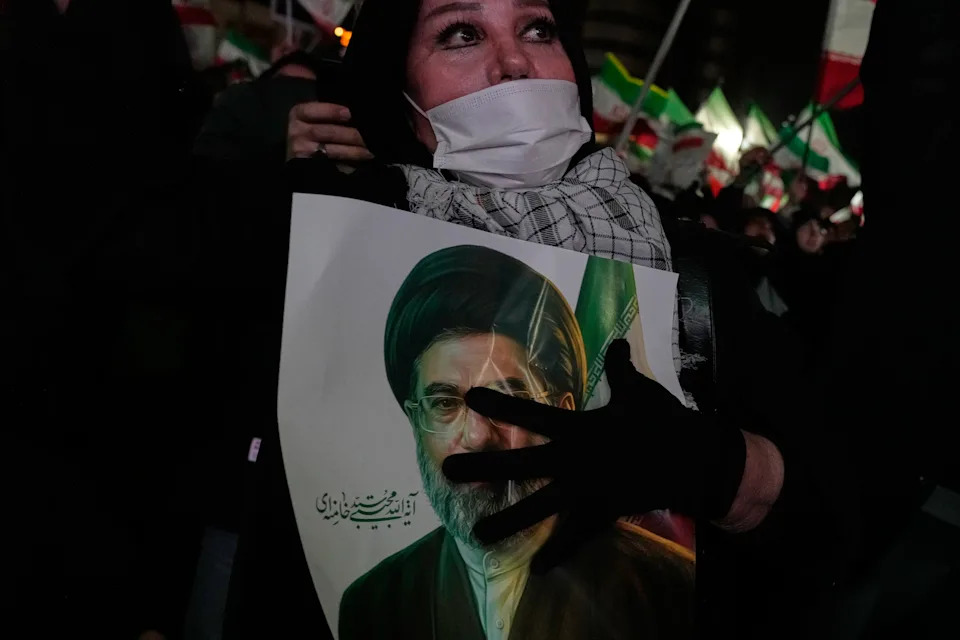
A woman holds a picture of the Iranian Supreme Leader Ayatollah Mojtaba Khamenei during a pro-government gathering in a square in western Tehran, Iran, Wednesday, March 25, 2026. (AP Photo/Vahid Salemi)(ASSOCIATED PRESS)
Diplomacy: Competing Proposals
Washington presented a 15-point ceasefire package that includes reopening the Strait of Hormuz and limits on Iran's nuclear activities; U.S. officials reportedly used Pakistan as an intermediary. Iran rejected the U.S. offer and proposed a five-point counterplan demanding reparations and recognition of its sovereignty over the strait. Diplomats from several countries, including Egypt, Turkey and Pakistan, have been working to arrange direct talks between U.S. and Iranian envoys.
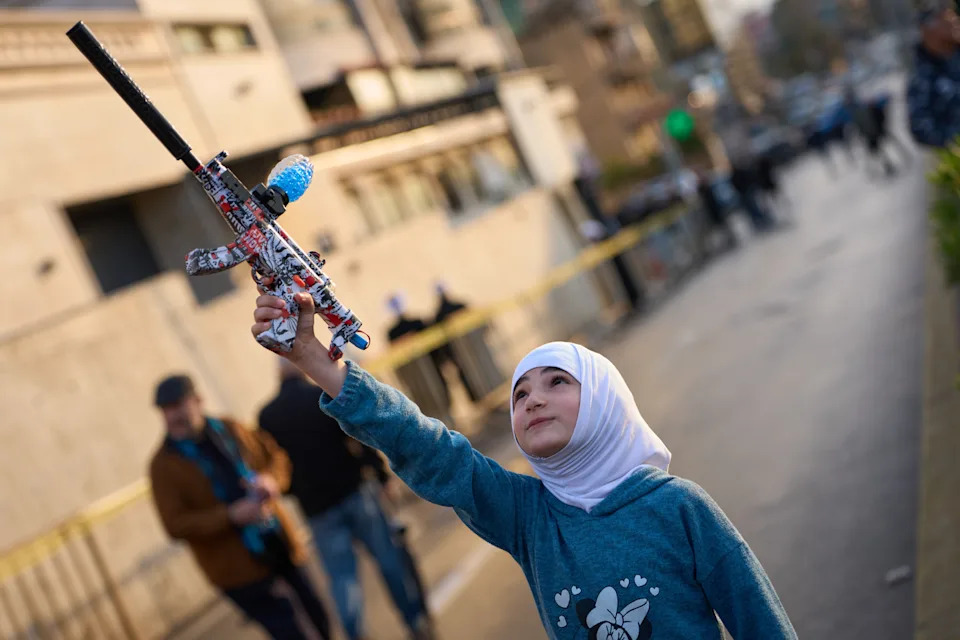
A girl holds a toy gun during a protest outside Iran's embassy, where dozens of people gathered waving Hezbollah and Iranian flags in solidarity with the Islamic Republic, in Beirut, Lebanon, Thursday, March 26, 2026. (AP Photo/Emilio Morenatti)(ASSOCIATED PRESS)
Military Reinforcements
In parallel with diplomacy, the U.S. moved additional forces toward the region: a naval group carrying about 2,500 Marines and at least 1,000 paratroopers from the 82nd Airborne Division were ordered closer to the conflict zone. Critics warn the troop movements could presage further military operations to secure the shipping lane.
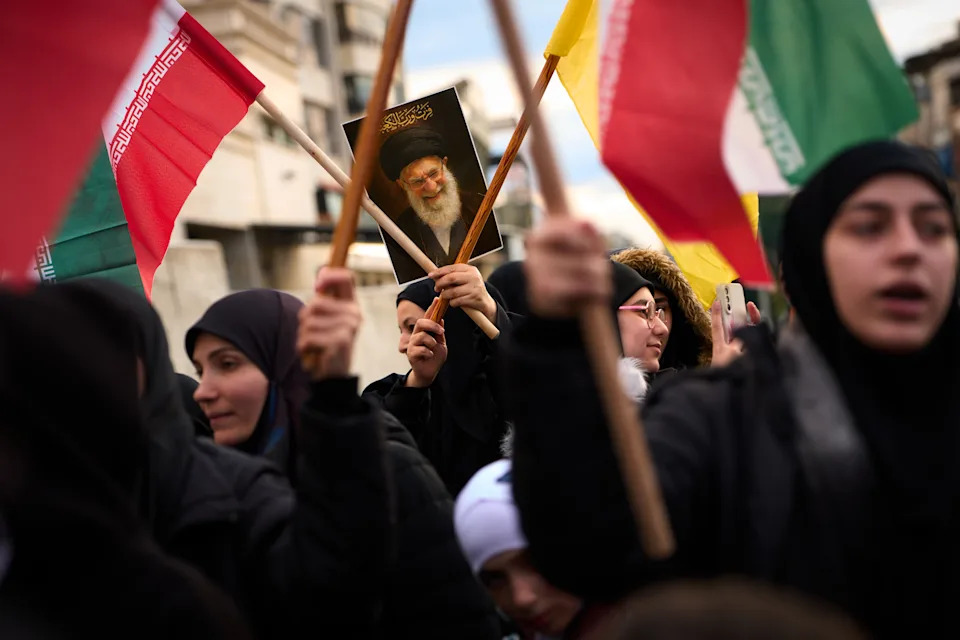
A woman holds a portrait of Iran's late Supreme Leader Ayatollah Ali Khamenei during a protest outside Iran's embassy, where dozens of people gathered waving Hezbollah and Iranian flags in solidarity with the Islamic Republic, in Beirut, Lebanon, Thursday, March 26, 2026. (AP Photo/Emilio Morenatti)(ASSOCIATED PRESS)
Economic And Humanitarian Consequences
Global markets reacted sharply to the escalation. After steep losses on Wall Street, Asian equities mostly fell and Brent crude rose near $107 a barrel — roughly 45% above pre-conflict levels — stoking fears of a global energy shock. Gulf states reported disruptions to shipping through the Strait of Hormuz, including claims that Iran is charging fees for safe passage.
Humanitarian organizations say damage to civilian infrastructure in Iran is widespread. The International Organization for Migration reported about 82,000 civilian buildings — including hospitals and homes for roughly 180,000 people — have been damaged. Jan Egeland of the Norwegian Refugee Council warned that continued fighting risks a far wider refugee and humanitarian crisis.
Casualties And Impact
Official tallies provided in the reporting period indicate more than 1,900 people killed in Iran. Other reported casualties include 18 dead in Israel, more than 1,100 in Lebanon, about 80 members of Iraqi security forces, at least 13 U.S. troops, and additional fatalities across Gulf states and the occupied West Bank. Kuwait reported material damage at Shuwaikh Port but no casualties.
Bottom Line: Despite parallel diplomatic efforts and competing ceasefire proposals, the fighting escalated with fresh Israeli strikes, broad regional repercussions and deepening humanitarian and economic fallout.
Reporting compiled from Associated Press dispatches; contributors included reporters in Miami, Cairo, Tel Aviv, Brussels, Bangkok and the United Nations.
Help us improve.





















