
International monitors say Iran has not updated its official casualty figures since March 8 and that internet and phone blackouts since Feb. 28 are preventing independent verification. HRANA estimates about 1,407 civilian deaths, including 214 children, while the Iranian Red Crescent reports extensive damage to homes, businesses, medical centres and schools. The deadliest confirmed civilian strike hit a Minab elementary school, killing at least 165 people; a preliminary US probe says a Tomahawk missile struck the school by mistake. Observers warn that limited access and threats to sources mean current counts are likely minimum estimates.
Internet Blackout Leaves Iran's Casualty Toll Unclear as Monitors Struggle to Verify
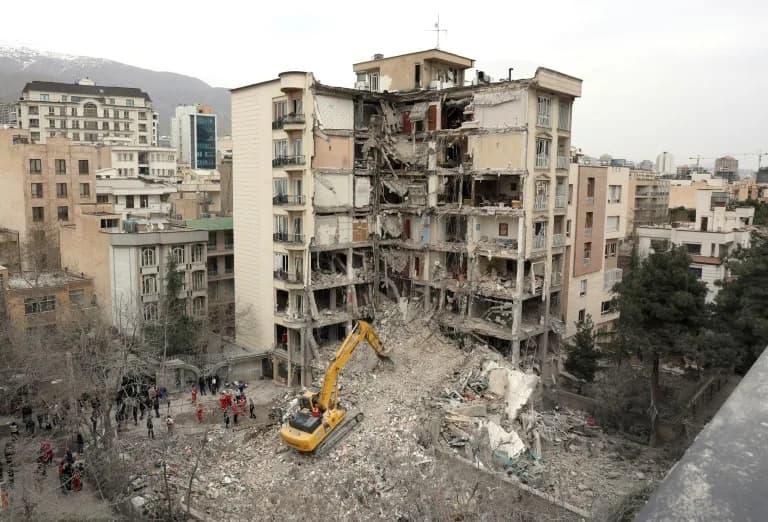
Despite considerable damage it remains unclear how many people have been killed Iran (-)(-/AFP/AFP)
Iran has not published an updated official death toll since March 8, and widespread internet and phone outages since Feb. 28 have left human rights monitors struggling to verify how many civilians have been killed in the conflict. Outside groups warn current tallies are likely minimums because severe communication blackouts and movement restrictions hinder independent reporting.
Access and Verification Problems
The health ministry's last comprehensive update, on March 8, reported about 1,200 civilian deaths from US and Israeli airstrikes. Independent monitors now point to higher figures but stress severe limits on information-gathering. The US-based Human Rights Activists News Agency (HRANA) estimates 1,407 civilian deaths, including 214 children, calling that figure an "absolute minimum" given the scale and the loss of contact with many areas.
"I would say it's an absolute, absolute minimum... we don't have the capacity to be everywhere at one time," HRANA deputy director Skylar Thompson told AFP.
The near-total shutdown of Iran's international internet since Feb. 28, combined with intermittent phone service and strict controls on journalists' movements, has left watchdogs unable to corroborate reports from much of the country. Norway-based Hengaw and other organizations say authorities have threatened and detained people who used illicit satellite links or other means to send information abroad, sometimes accusing them of spying.
Damage Assessments and Major Incidents
The Iranian Red Crescent has not released casualty estimates but reported extensive infrastructure damage: some 61,555 homes, about 19,000 businesses, 275 medical centres and nearly 500 schools. AFP reporters have verified damage to many civilian buildings in Tehran, including apartment blocks damaged by blast waves, but have not been able to confirm damage beyond the capital because they cannot travel without official authorization.
The single deadliest documented civilian incident so far was an airstrike on an elementary school in Minab on the first day of the war; official figures say at least 165 people were killed. A preliminary US military investigation reported by The New York Times said a Tomahawk cruise missile struck the school by mistake. Hengaw also documented an airstrike on a flour factory in Naqadeh on March 7 that killed 11 workers and injured 21.
"I believe that the US and Israel are using a quite aggressive interpretation of what is a military target," Thompson said, urging greater attention to civilian harm amid the wider geopolitical coverage.
Elsewhere in the region, Lebanon's health ministry reported 1,029 deaths from Israeli strikes. Authorities and emergency services say 16 civilians have been killed in Israel by Iranian attacks and 17 civilians in Gulf countries. All casualty counts remain contested and subject to revision as access to affected areas improves.
Observers caution that, because of the blackout, threats to sources and reporting restrictions, current numbers should be treated as provisional minimums rather than definitive totals.
Help us improve.





















