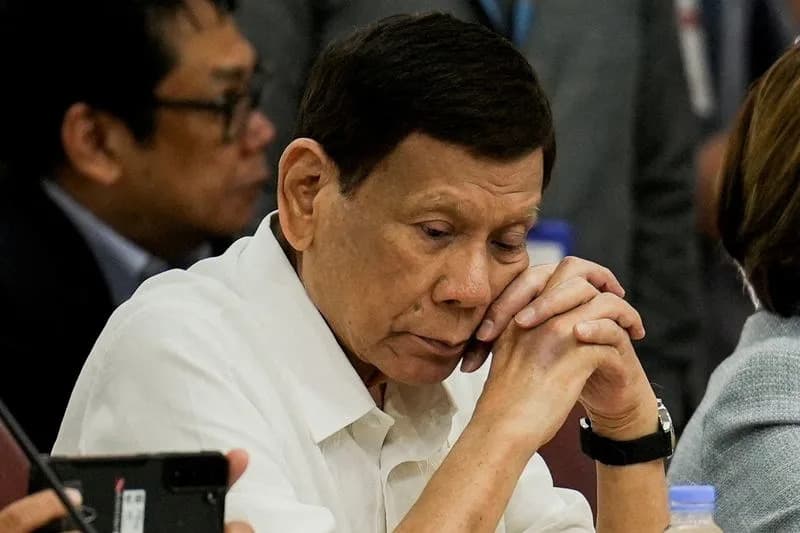
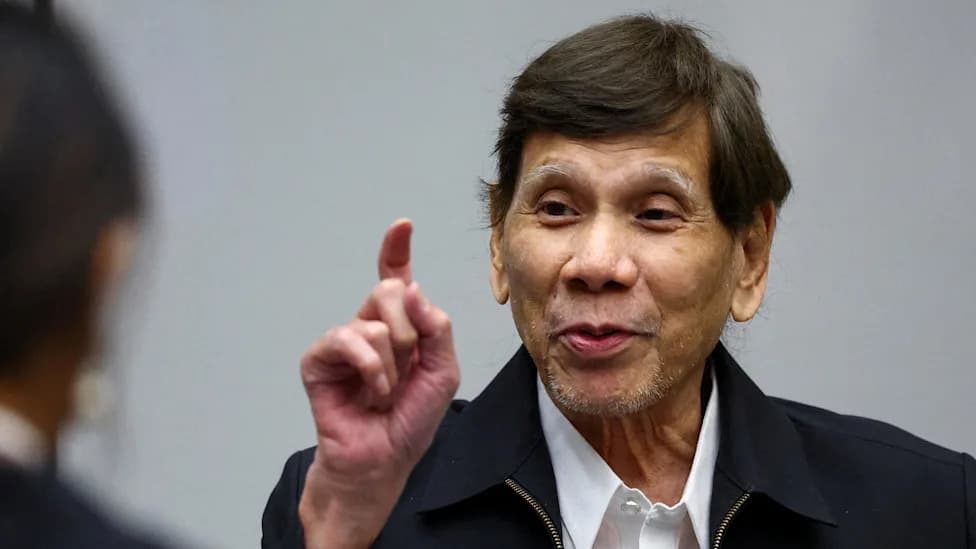
Rodrigo Duterte’s aggressive drug campaign reshaped the Philippines, leaving thousands dead and communities deeply scarred. High-profile incidents—like the 2019 rooftop killing of three-year-old Myca Acopio—exposed patterns of reckless and sometimes staged police actions. Duterte now faces potential prosecution at the International Criminal Court in The Hague; if convicted he could receive decades or even life imprisonment. Official data show modest declines in drug use and very limited convictions of police involved in extrajudicial killings.
From Davao to The Hague: How Duterte’s Drug War Left Thousands Dead and Now Faces Possible Life Imprisonment
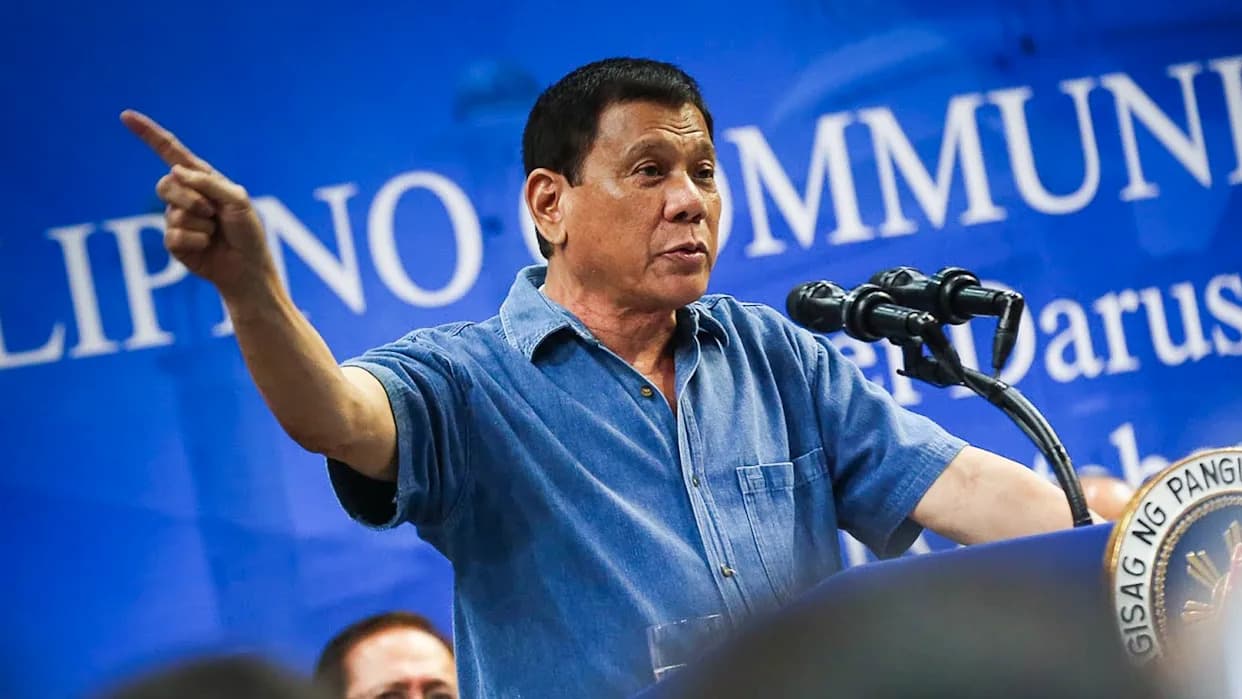
Rodrigo Duterte's 'Death Squads' Fought in the Philippines' War on Drugs. Now He Might Get Life in Prison.
"Her dream was to go to school," Lydjay Acopio says in Tagalog of her daughter Myca. "When my eldest son was in first grade, she helped him put on his uniform. But she never got a chance to study."
Myca’s Story
On the night of June 29, 2019, the Acopio family was asleep at their home on the outskirts of Manila when glass shattered downstairs and seven men in dark jackets and masks tried to force entry. Lydjay says her husband, Renato, 41, removed an air-conditioner and climbed onto the roof; their three-year-old daughter Myca followed him. Realizing the intruders were likely police, Lydjay told the other children to go downstairs. "I was shaking by then. My chest was hurting. I was having a nervous breakdown," she recalls. Then she heard a gunshot.
The shooting left Myca, Renato, an acquaintance and a police officer dead. Lydjay believes police fire struck her daughter; officers say Renato used the child as a human shield. The Philippine Commission on Human Rights (CHR) concluded the police had, at minimum, acted recklessly in the presence of multiple children. Witness statements collected by the CHR appear to support Lydjay’s account, though many witnesses declined to go on record for fear of reprisals.
National Campaign: Operation Double Barrel and Tokhang
When Rodrigo Duterte took office in 2016 he launched a ferocious anti-drug campaign—Operation Double Barrel—combining aggressive law-enforcement sweeps with a community outreach-style program called Tokhang (from Visayan tok-tok, "knock" and hangyo, "plead"). In practice, Tokhang often became a method for compiling lists of suspects. Neighbors’ accusations, informants and undercover operations frequently preceded lethal police encounters.
Accounts from investigators, activists and former insiders describe a pattern: an undercover officer or informant would arrange a buy, the suspect would be confronted, and a violent "encounter" would follow. Reports also allege that some officers were given monetary incentives and quotas for arrests or for eliminating suspects. Duterte publicly encouraged hardline tactics, at times urging civilians to kill suspected addicts and comparing himself to historical figures in aggressive terms.
Scale, Accountability and Legacy
Estimates of the death toll vary widely. Official police figures record 6,252 fatalities in antidrug operations from mid-2016 through mid-2022. Human-rights groups and investigative reports estimate a far larger number—possibly as many as 30,000—when vigilante killings and unsolved suspicious deaths are included. Only nine police officers have been convicted in relation to extrajudicial killings during the campaign.
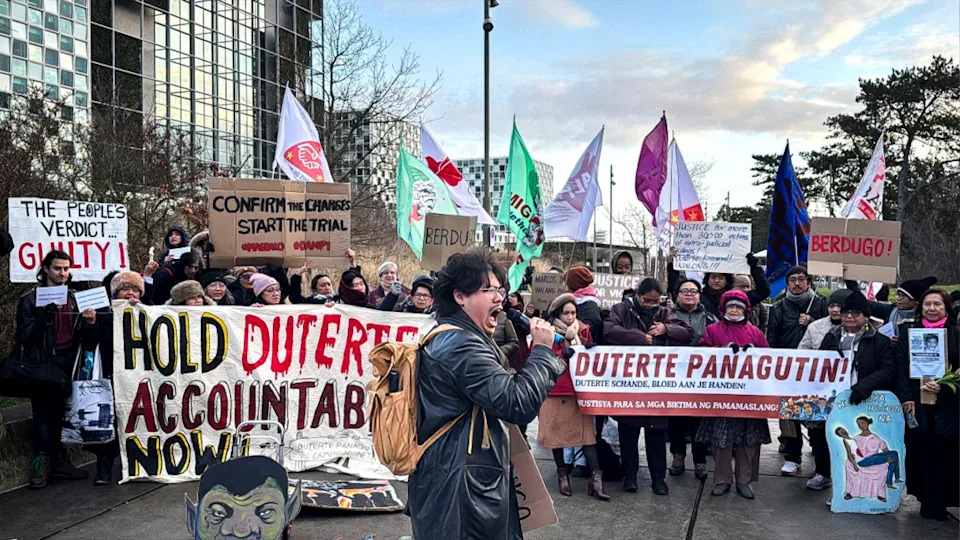
Photo courtesy of Br. Jun Santiago, CSsR(Photo courtesy of Br. Jun Santiago, CSsR)
Data on drug use show limited public-health impact: the Dangerous Drugs Board estimated 1.8 million illicit drug users in the Philippines before Duterte took office; by 2019 the number had fallen only to about 1.7 million, a decline of roughly 4.6 percent.
Historical Context: Davao Death Squad and Vigilante Networks
Extrajudicial killings in the Philippines predate Duterte and reflect long-standing patterns of local violence. In Davao—where Duterte served as mayor—groups such as the so-called Davao Death Squad, composed of ex-police, gang members and defectors, have been implicated in dozens or hundreds of killings over decades. Testimony from ex-members and investigations suggest handlers within police and municipal structures supplied weapons, pay and cover for those operations.
International Reaction and The Hague Proceedings
Duterte’s rhetoric and tactics drew global condemnation, though he retained domestic support among segments of the population who welcomed his hardline approach. In late 2023 and into 2024, international scrutiny culminated in proceedings at the International Criminal Court (ICC) in The Hague. The ICC has opened preliminary steps and hearings to determine whether charges of crimes against humanity should proceed. If tried and convicted, penalties can range up to 30 years in prison or, in exceptional circumstances, life imprisonment—effectively a life sentence for an elderly defendant.
"I don't want to kill people, so don't elect me as president," Duterte said on the campaign trail—rhetoric that many later interpreted as disingenuous as the campaign unfolded.
Social Costs and Continuing Wounds
The human toll extends beyond fatalities. Families lost breadwinners; children were orphaned or forced to drop out of school; survivors and advocates report intimidation and threats. Church groups and civil-society organizations have provided limited relief—funerals, food, schooling and legal assistance—but many communities remain scarred.
Legal accountability has been slow and uneven. While some operations have eased under the current administration, activists and priests warn that the deep social and institutional damage—what one critic called a "culture of killing"—will take years to address.
Key Facts: Myca Acopio’s death became a flagship example cited by human-rights investigators; official antidrug patrols recorded 6,252 deaths (mid-2016 to mid-2022); larger estimates including vigilante killings reach into the tens of thousands; only a handful of officers have been convicted; and Duterte now faces potential prosecution at the ICC.
This article was adapted and edited for clarity, context and accuracy from reporting that originally appeared on Reason.com and other public sources.
Help us improve.