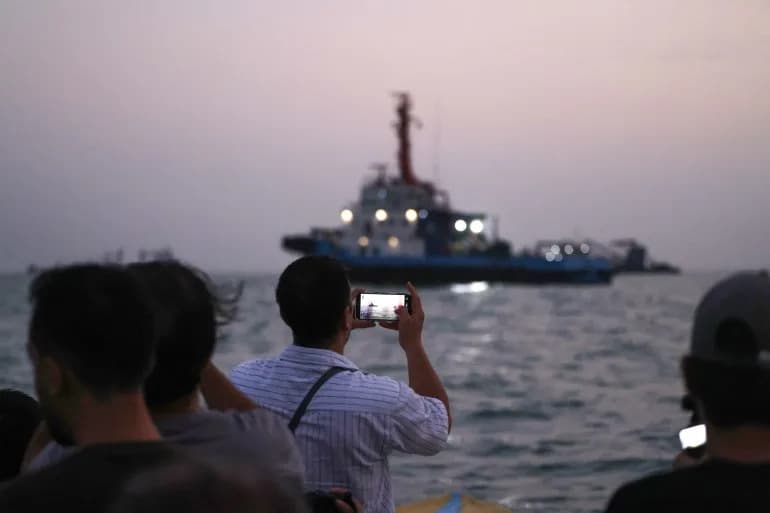
Iran is reported to be charging some tankers up to $2 million to transit the Strait of Hormuz as part of what officials describe as a new "sovereign" control regime. Maritime data show traffic has plunged and alternative routing is increasing, while several countries are negotiating approved passage with Tehran. U.S. political leaders have warned of potential military responses if the strait is not reopened; the disruption has raised shipping costs and strained global oil and LNG flows.
Reports: Iran Charging Up To $2M For Some Tankers Through Strait of Hormuz, Raising Global Oil Supply Concerns
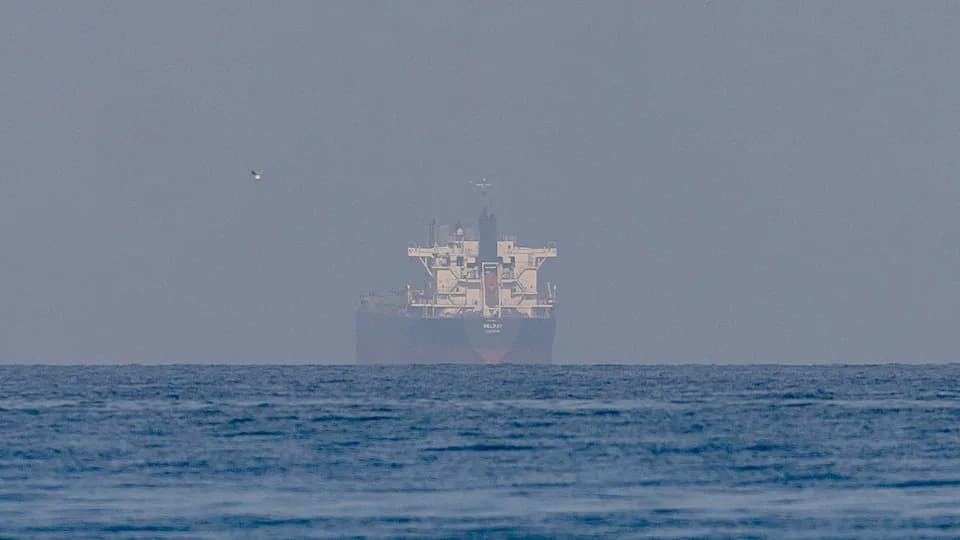
Iran is reportedly charging some tankers $2 million to pass through the Strait of Hormuz.(Getty Images)
Iran has reportedly begun charging some oil tankers as much as $2 million to transit the strategic Strait of Hormuz, according to maritime trade outlets and Iranian officials. The charge — described by Tehran as a transit fee tied to a new "sovereign" control regime — comes as shipping through the chokepoint has declined sharply.
What Officials Say
Lawmaker Alaeddin Boroujerdi told state broadcaster Islamic Republic of Iran Broadcasting (IRIB) that the fee signals a new approach to managing passage through the strait. "Collecting $2 million as transit fees from some vessels crossing the strait reflects Iran’s strength," he said, according to Iranian media. Boroujerdi, a member of parliament’s national security committee, said the practice has already been implemented.
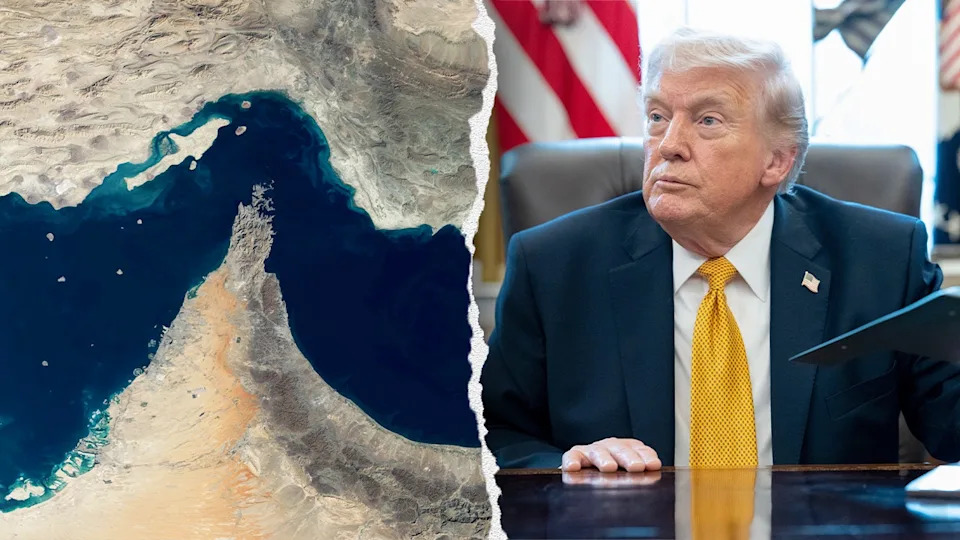
President Donald Trump warned on Saturday that the U.S. could strike Iranian power plants if the Strait of Hormuz is not reopened.
International Reactions and Warnings
Donald Trump, the former U.S. president, warned on Truth Social that the United States could strike Iranian power infrastructure if the strait is not fully reopened without threat within 48 hours. Tehran, for its part, says the strait remains open to all except countries it considers hostile. Iran’s representative to the International Maritime Organization, Ali Mousavi, and President Masoud Pezeshkian have both emphasized that access is allowed except for those who violate Iranian soil.
How Shipping Is Being Managed
Trade publication Lloyd’s List reported that Iran has effectively created a managed shipping corridor in the strait: vetted vessels can obtain approval for passage in exchange for oversight and, in at least one reported instance, a $2 million payment. Iran’s Revolutionary Guard is said to be registering "approved" ships, and several governments — including China, India, Pakistan, Malaysia and Iraq — are reportedly negotiating transit arrangements.
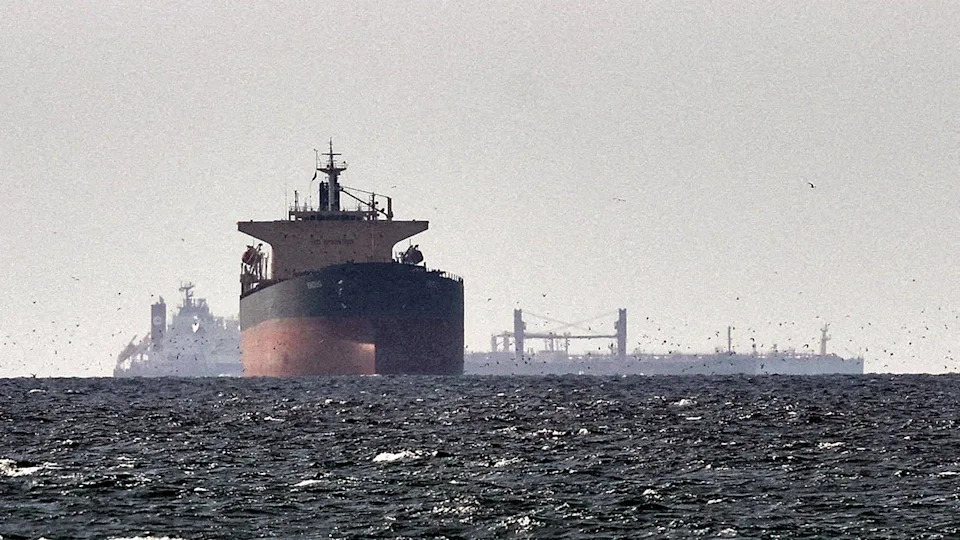
Maritime intelligence firm Windward AI has reported that Strait of Hormuz traffic was "near collapse."
Data Shows Sharp Decline In Traffic
Maritime intelligence firm Windward AI reported traffic through the Strait of Hormuz was "near collapse," noting only 16 AIS-visible crossings in the past seven days. Windward said many vessels are being rerouted via Iran’s territorial waters and that Gulf energy exports — both crude and LPG flows — are at recent lows, even as some Iranian exports continue via alternative routes. The firm also noted elevated Russian crude shipments, underscoring ongoing reliance on maritime oil transport.
Economic Impact
Under normal conditions the strait handles roughly 20 million barrels of oil per day and about 20% of global liquefied natural gas trade. The reported disruptions and stricter transit controls have pushed up shipping and insurance costs, contributed to higher oil prices, and raised broader global economic concerns.
Key Quote: "Now, because war has costs, naturally we must do this and take transit fees from ships passing through the Strait of Hormuz," Boroujerdi said, as reported by Iranian state media.
Sources: IRIB, Lloyd’s List, Windward AI, Mehr News Agency, reporting by international outlets.
Help us improve.