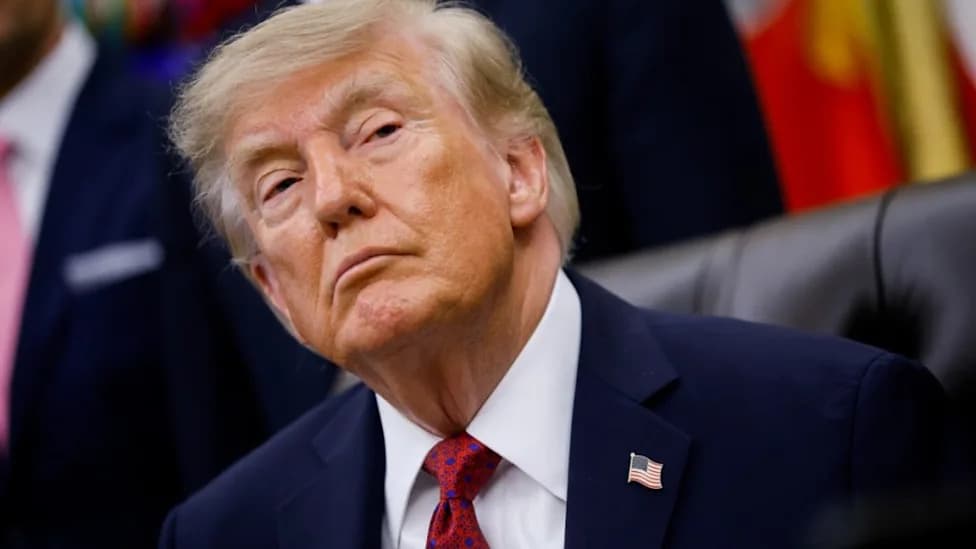
U.S. combat veterans and veteran-led groups have condemned President Trump’s Feb. 28 strikes on Iran as unnecessary and driven by misleading claims. They warn the operation echoes the Iraq War — with high civilian casualties, growing regional tensions, and no clear exit strategy — while the White House insists the campaign is a planned effort to deny Iran nuclear capability. Lawmakers and intelligence assessments have raised additional concerns about the justification and likely duration of the campaign.
Combat Veterans Condemn Trump’s Iran Campaign as “Unnecessary” and Built on False Claims
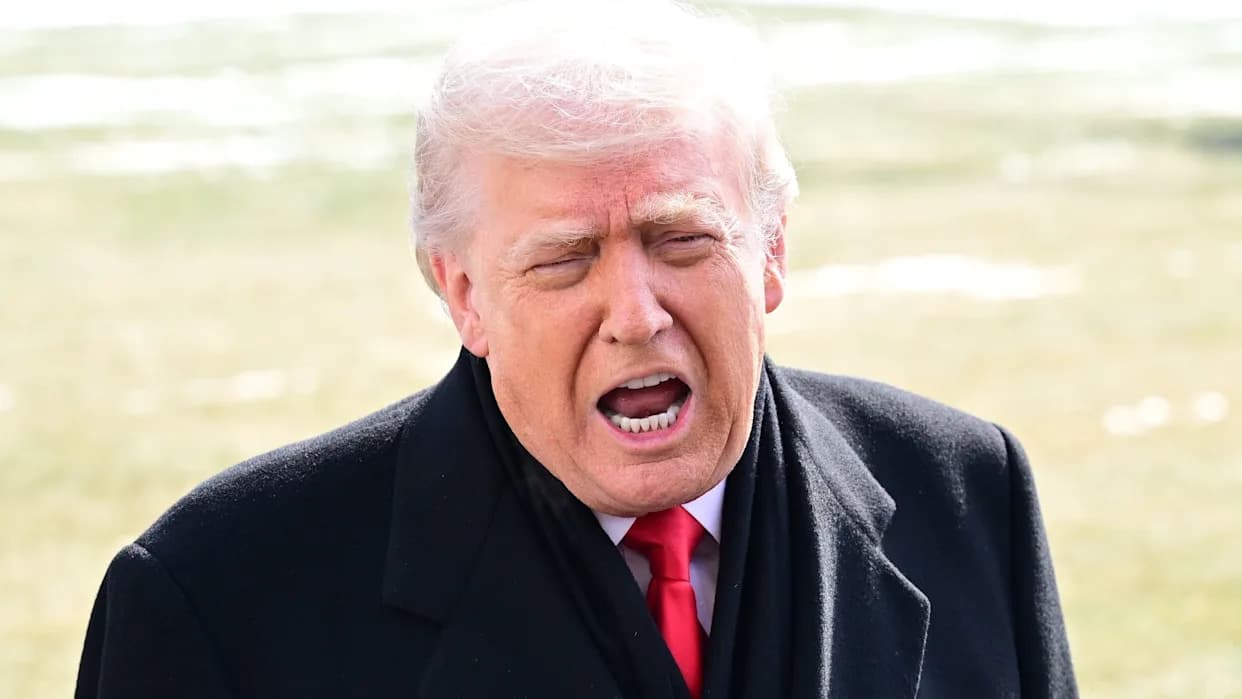
Anadolu / Anadolu via Getty Images(Anadolu)
Angry U.S. combat veterans and veteran-led organizations have sharply criticized President Donald Trump’s military campaign in Iran, calling the intervention unnecessary and alleging it rests on misleading claims. They warn the operation risks repeating the mistakes of the Iraq War and could drag the United States into a prolonged regional conflict.
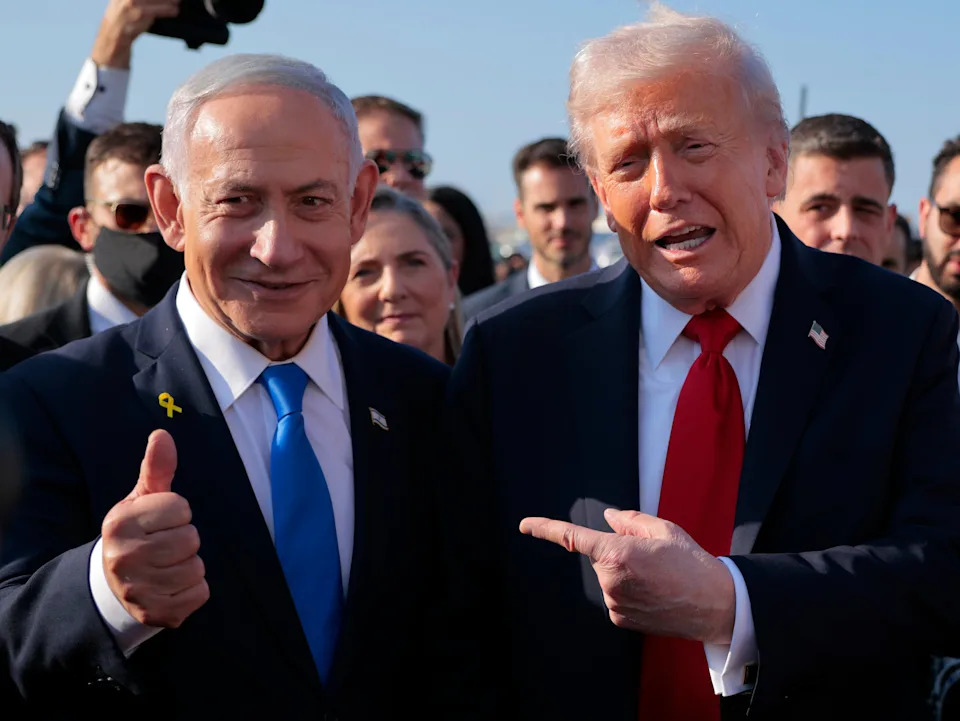
Trump launched the war alongside Israeli Prime Minister Benjamin Netanyahu. / Chip Somodevilla / Getty Images
Veterans Say There Is No Clear Strategy
The administration, working with Israel, launched strikes on Feb. 28. Since then, thousands of people have reportedly died, the Strait of Hormuz has been disrupted, and at least 13 U.S. service members have been killed. Critics say the campaign has produced a widening energy crisis and that neighboring countries are being drawn into the confrontation.
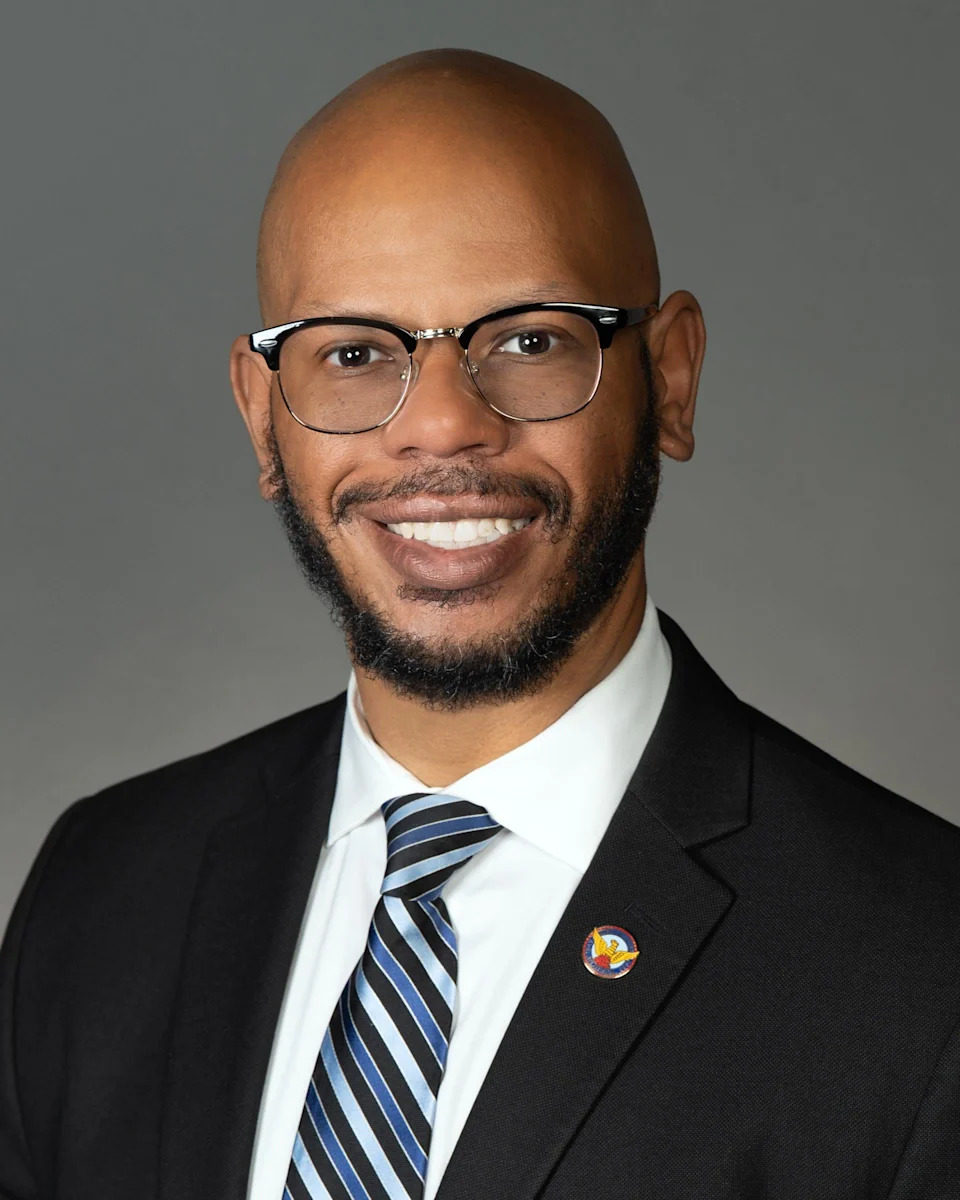
Jason Dozier, Atlanta City Council Member and Iraq and Afghanistan veteran. / Atlanta City Council
“The lack of a clear strategy or end state only undermines U.S. credibility globally,” said Jason Dozier, an Atlanta City Council member and veteran of Iraq and Afghanistan. “As an Iraq War veteran, I’ve seen firsthand the costs of conflicts like this, and I had hoped those lessons would guide future decisions. Unfortunately, that doesn’t appear to be the case.”
Many veterans describe the emotional burden of seeing history repeat itself. John Kamin, who served in Iraq, recalled a haunting image he once imagined as a young soldier: his children fighting the same battles he fought. "This hurts us all," he told the Daily Beast.
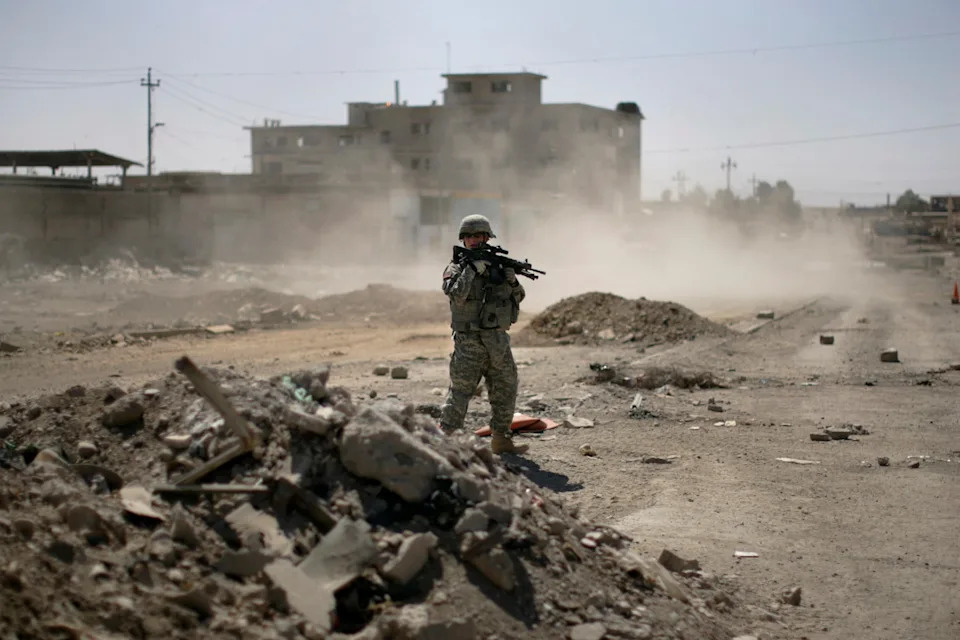
A U.S. soldier in Iraq in 2008. / Eduardo Munoz / REUTERS
Comparisons to the Iraq War
Defense Department figures from the Iraq War show 4,492 U.S. service members were killed and 32,292 were injured; civilian death estimates for Iraq reach roughly 200,000. Veterans and analysts say those costs underline the need for a clear objective and an exit strategy — elements they believe are missing from the current campaign.
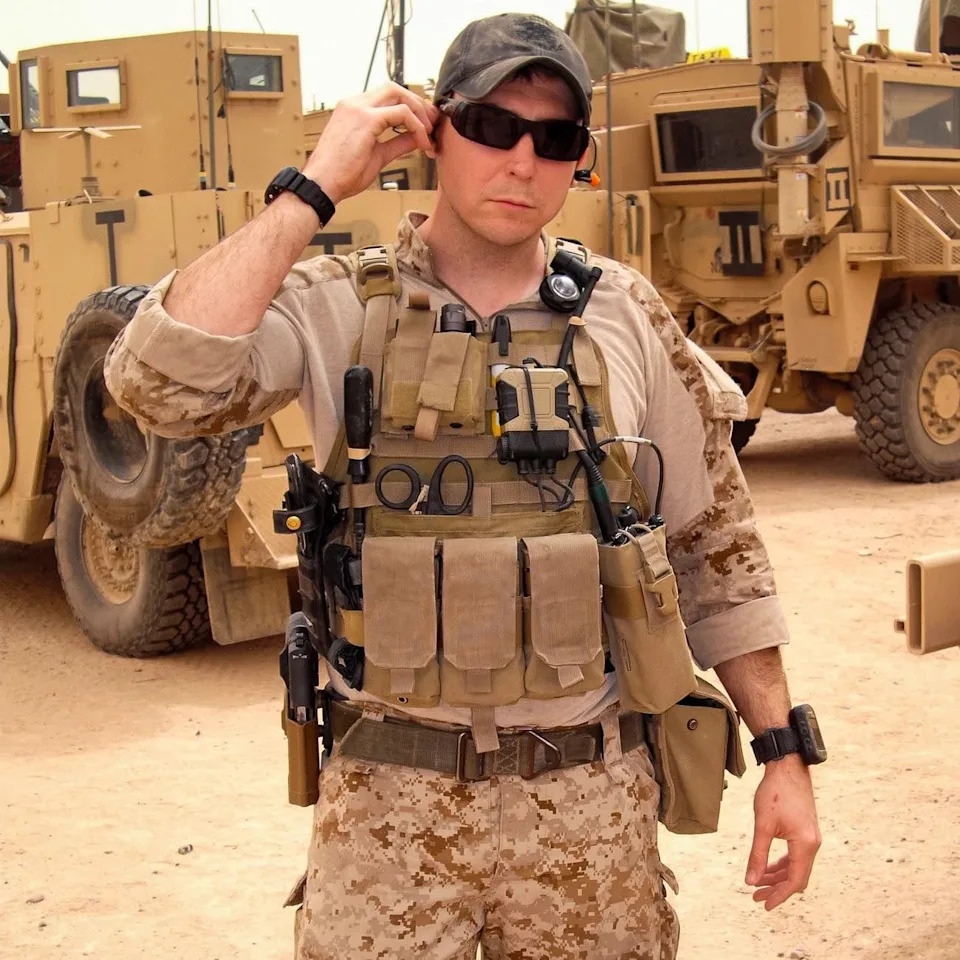
Republican Rep. Eli Crane of Arizona is a former Navy SEAL. / Rep. Eli Crane
Naveed Shah, political director for the veteran group Common Defense and an Army veteran of Operation Iraqi Freedom, said the administration has relied on manufactured urgency and vague aims. "I deployed to Iraq in 2009. I watched this country sell us a war on lies, and I watched my fellow soldiers pay the price for it," Shah told the Daily Beast.
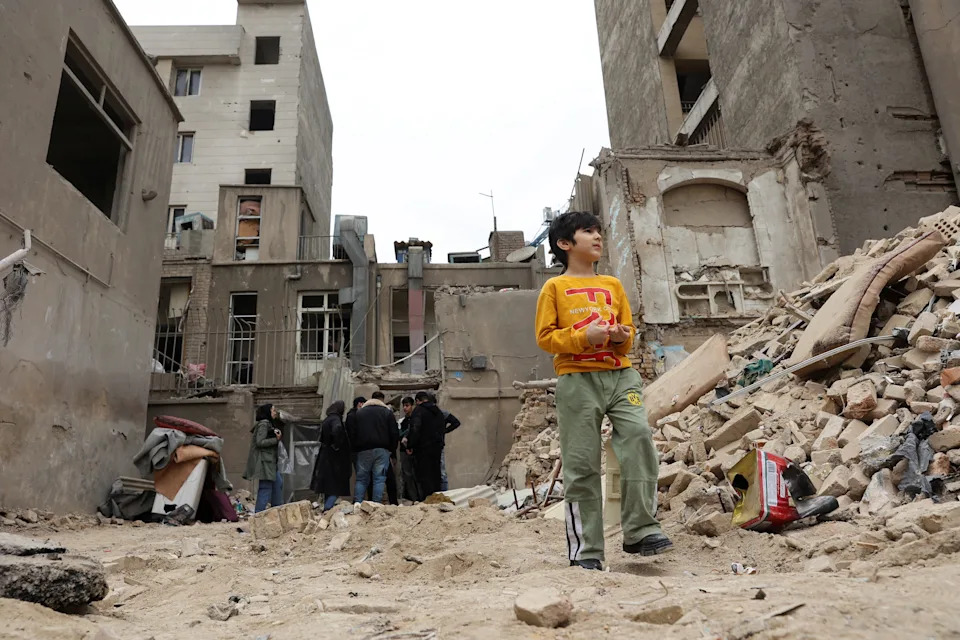
Almost 1,500 Iranian civilians and at least 13 U.S. service members have died since the war broke out on Feb. 28. / Majid Asgaripour / Majid Asgaripour/WANA (West Asia News Agency) via Reuters via Reuters
Political Divisions and Lawmakers’ Reactions
The campaign has split lawmakers, too. Republican Rep. Eli Crane of Arizona, a former Navy SEAL, warned publicly against another long Middle East engagement — even as he voted against a war powers resolution that would have required congressional approval for further attacks. The House measure was led by Republican Rep. Thomas Massie and Democratic Rep. Ro Khanna; Massie warned that public support for the conflict would likely fade quickly.

Dr Maggie Seymour joined the Marine Corps in 2007. / Dr Maggie Seymour
Support outside Mr. Trump’s core base is weak: a recent Politico poll signaled skepticism about the administration’s claim that the campaign would be short-lived. The president had suggested an exit within weeks; three weeks after the first strikes there was no clear timeline for withdrawal.
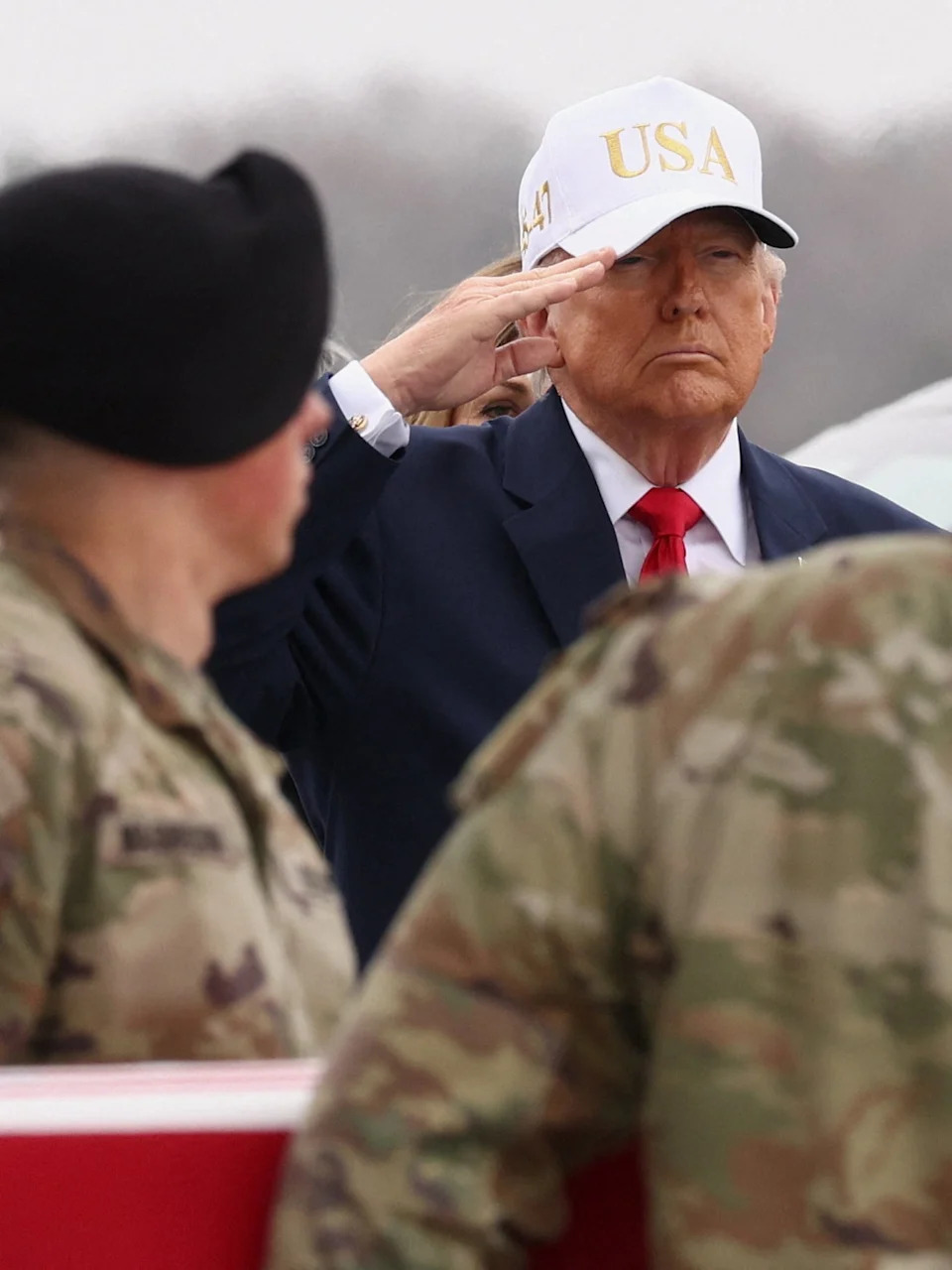
Trump wore a baseball hat to the dignified transfer at Dover Air Force Base in March after six soldiers were killed in his unauthorized war. / Kevin Lamarque / Kevin Lamarque/REUTERS
Casualties and Regional Escalation
The violence escalated after an Iranian strike on Prince Sultan Air Base in Saudi Arabia killed U.S. Sergeant Benjamin Pennington, 26. Since then, additional U.S. service members have been killed, bringing the total to 13. Iranian officials say nearly 1,500 people, mostly civilians, have died during operations they call "Epic Fury." The Strait of Hormuz — a vital global shipping lane — has been periodically disrupted, aggravating energy market concerns.
Administration Claims and Intelligence Assessments
White House spokespeople defended the campaign. Davis Ingle told Politico the president campaigned on denying Iran the ability to develop a nuclear weapon and framed the strikes as part of that effort. Anna Kelly told the Daily Beast the operation was carefully planned and that the administration anticipated and prepared for possible Iranian retaliation, including actions to counter minelaying vessels.
But critics point to intelligence assessments that cast doubt on the immediacy of a nuclear threat. A U.S. Defense Intelligence Agency (DIA) assessment from May last year — issued before the administration’s first strikes on Iranian nuclear sites — concluded Iran would likely need nearly a decade to field a nuclear weapon. Veterans and experts say that discrepancy raises questions about the campaign’s justification.
“The American people are tired of the forever wars and the politicians who continually drag us into them,” said Chris Purdy, founder of the veteran-led nonprofit The Chamberlain Network. “Now, 23 years after Iraq, the U.S. is again drawn into a conflict over alleged nuclear threats that many experts say are distant.”
Dr. Maggie Seymour, a former Marine intelligence officer who served in Iraq, Afghanistan and Kuwait, warned that the operation risks long-term harm. "Not only is this war unnecessary, there is a strong possibility that it causes more harm than good," she said, criticizing the political use of service members as props.
What Veterans Want
Veteran critics say they are speaking out to prevent another generation from inheriting a long, unfocused war. They call for clearer objectives, transparent legal authority, and a credible exit strategy to avoid the human and strategic costs that followed previous Middle East interventions.
What remains clear: the conflict has deepened political divisions at home, produced real human costs abroad, and left many questioning whether the campaign’s stated goals align with the available intelligence and a sustainable strategy.
Help us improve.