
Joe Kent resigned as director of the National Counterterrorism Center in protest over U.S. military action against Iran, saying he expects political retaliation but stands by his decision. He told Megyn Kelly he is not worried about an FBI probe because he believes he did nothing wrong, though he acknowledged the administration has, at times, targeted dissenters. Kent accuses Israeli officials and certain pro‑Israel media of influencing U.S. policy and says dissenting advisers were sidelined after renewed strikes last June.
Former U.S. Counterterrorism Chief Resigns, Says He Expects Retaliation but Stands by Decision
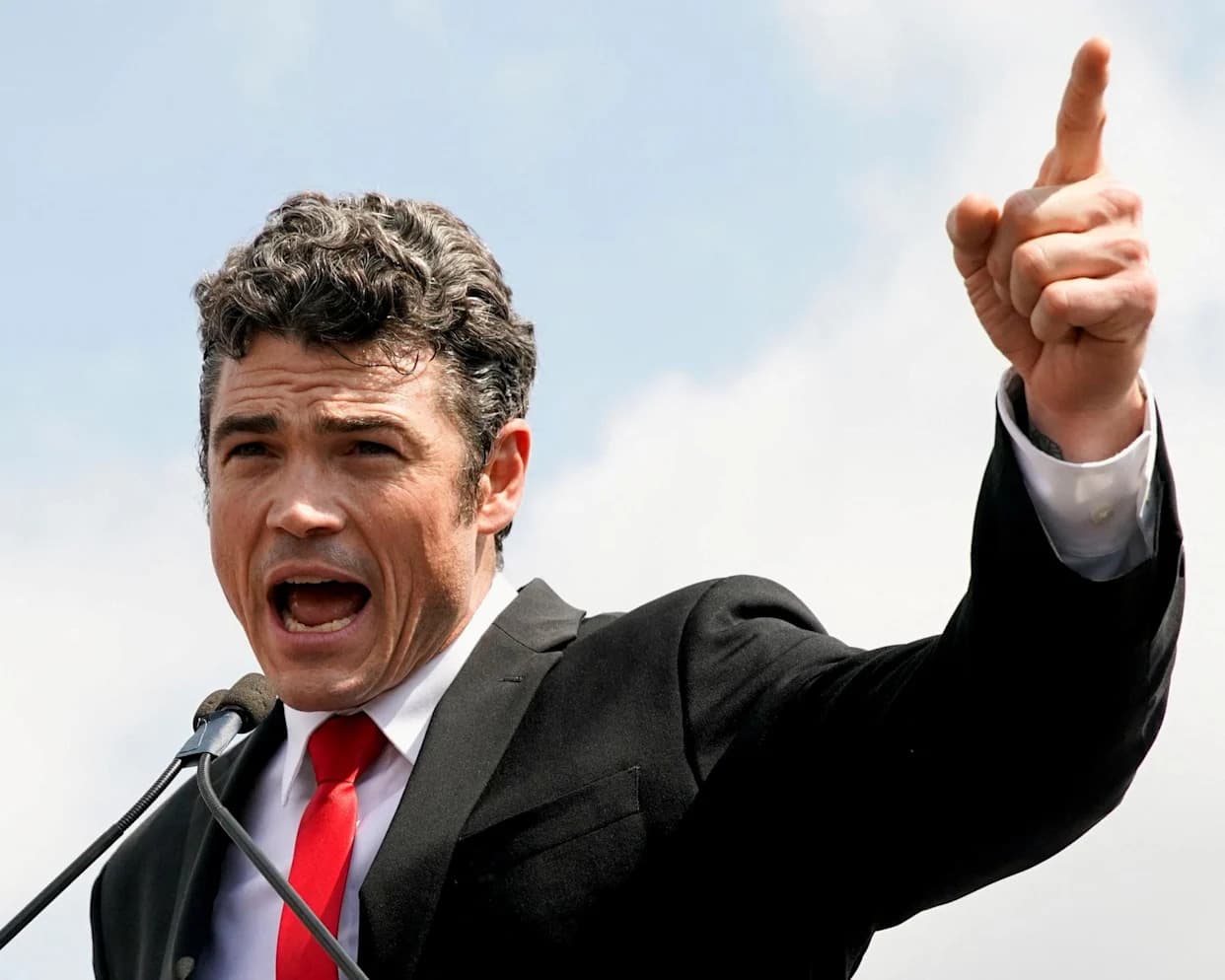
Joe Kent in Washington DC on 18 September 2021.Photograph: Elizabeth Frantz/Reuters(Photograph: Elizabeth Frantz/Reuters)
Joe Kent, who stepped down as director of the U.S. National Counterterrorism Center in protest of the Trump administration’s military campaign against Iran, says he expects political retribution but would make the same choice again.
Speaking with conservative host Megyn Kelly, Kent acknowledged an ongoing FBI probe into alleged leaks but said he was ambivalent about its implications. “I’m not concerned because I know I did nothing wrong,” he told Kelly, while acknowledging the administration’s record of targeting dissenting voices: “Of course, I am concerned because we’ve all seen the full weight of the FBI and the government come down on individuals who speak out.”
Kent has repeatedly framed his resignation as a matter of conscience. In a widely circulated resignation letter, he wrote that Iran “posed no imminent threat to our nation” and accused outside actors of pressuring the U.S. into conflict: “It is clear that we started this war due to pressure from Israel and its powerful American lobby.”
Since leaving his post on Tuesday, the former U.S. Army Special Forces veteran has appeared on right‑leaning media, including interviews with Megyn Kelly, Tucker Carlson and the UnHerd podcast. Kent has said he could not continue in his role while the administration pursued a war with Iran that he believes lacked clear congressional authorization.
“The important issues to address are what’s at hand — why we’re at war and how we get out of the state that we’re in right now,” Kent said.
Kent has a political history within the Make America Great Again (MAGA) movement. Reporting shows he previously defended the January 6 attack, promoted disproven claims about the 2020 election, interviewed far‑right influencer Nick Fuentes, and hired a member of the extremist Proud Boys during a 2022 congressional campaign. Critics have also accused him of using antisemitic tropes by blaming an “Israeli lobby” for U.S. policy toward Iran.
The White House dismissed Kent’s objections, calling him “weak on security” and insisting Iran remains “a tremendous threat.” President Trump has been quoted as saying those who do not regard Iran as a threat are not wanted in positions of responsibility.
At a recent public exchange on intelligence matters, Tulsi Gabbard — a former congresswoman and presidential candidate — said she could not fully endorse every claim in Kent’s resignation letter, noting that the president receives intelligence assessments and makes decisions based on available information.
In interviews since resigning, Kent has accused Israeli officials and certain pro‑Israel media outlets of shaping the administration’s policy. He named Fox News, the Wall Street Journal editorial page and the New York Post as outlets he believes echoed Israeli talking points — particularly the claim that nuclear enrichment necessarily equates to an immediate nuclear weapons capability. Kent argued that such framing shortened the space for diplomatic negotiation and narrowed the circle of advisers around the president after renewed strikes following what he described as a “12‑day war” last June.
As Kent pursues a media tour and public advocacy against continued military escalation, his resignation and the ensuing debate underscore deep divisions within U.S. national security and political circles over the origins, justification and conduct of the conflict with Iran.
Help us improve.





















