
As the US and Israel enter the fourth week of conflict with Iran, Washington temporarily authorised the sale of about 140 million barrels of Iranian crude to calm markets. Israeli officials warned of a significant increase in strikes this week while Tehran says it sees no reduction in hostilities. Missiles were fired toward Diego Garcia and Gulf states continued to intercept incoming attacks. The human toll is rising sharply, with thousands injured and more than 2,300 deaths reported across Iran and Lebanon combined.
Day 22: Key Developments as US–Israel Conflict With Iran Enters Fourth Week
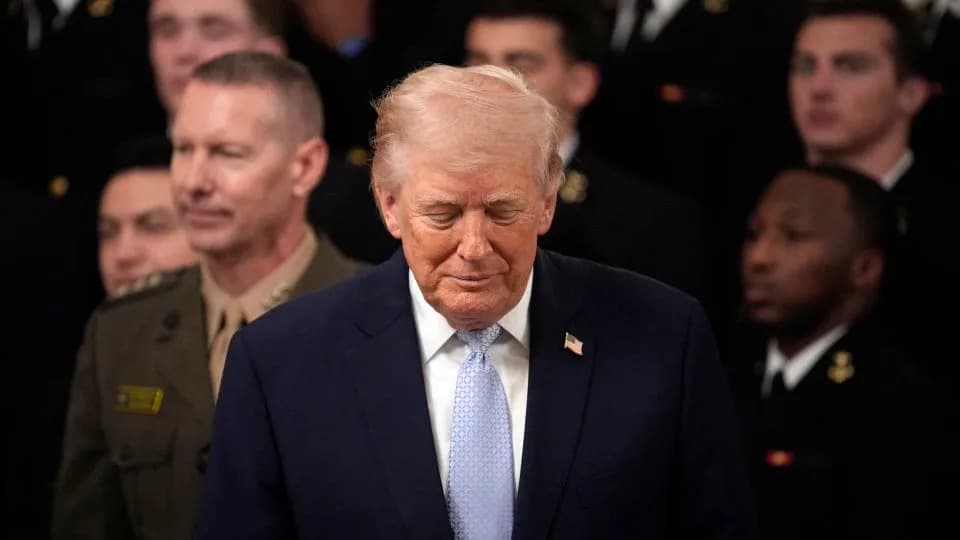
US President Donald Trump is pictured during the Commander in Chief Trophy Presentation to the 2024 Navy Midshipmen football team at the White House on March 20, 2026. - Gripas Yuri/Abaca/SIPA
As the US and Israel enter the fourth week of hostilities with Iran, tensions remain high across multiple fronts — diplomatic, military and humanitarian. Washington issued a temporary licence allowing the sale of roughly 140 million barrels of Iranian crude currently on tankers, a move US officials say is unlikely to provide significant financial relief to Tehran but intended to calm global oil markets.
Escalation Expected
Israeli officials say US and Israeli strikes on Iranian targets will "increase significantly" this week, even as President Donald Trump suggested on social media that the US is considering "winding down" military operations. Tehran rejects that assessment: a senior Iranian source told CNN there are no signs of reduced activity. Meanwhile, thousands more US Marines and sailors are deploying to the region.
Missiles, Airstrikes and Regional Incidents
A US official told CNN that Iran fired intermediate-range ballistic missiles at Diego Garcia, a joint US–UK base in the Indian Ocean roughly 2,370 miles from Iran’s coast; the missiles did not hit the facility. Israel launched fresh strikes on Beirut and said it hit "regime targets" in Tehran. The Israeli military also reported strikes on Hezbollah positions in Beirut and said Iran fired additional missiles toward Israeli territory.
Gulf Security And Shipping
Bahrain signalled willingness to help reopen the Strait of Hormuz, joining an international coalition that now includes 22 nations. US officials said they are racing to prevent what could become a months-long closure of the strait. Several Gulf states, including Kuwait and Saudi Arabia, continued to intercept missiles and drones overnight.
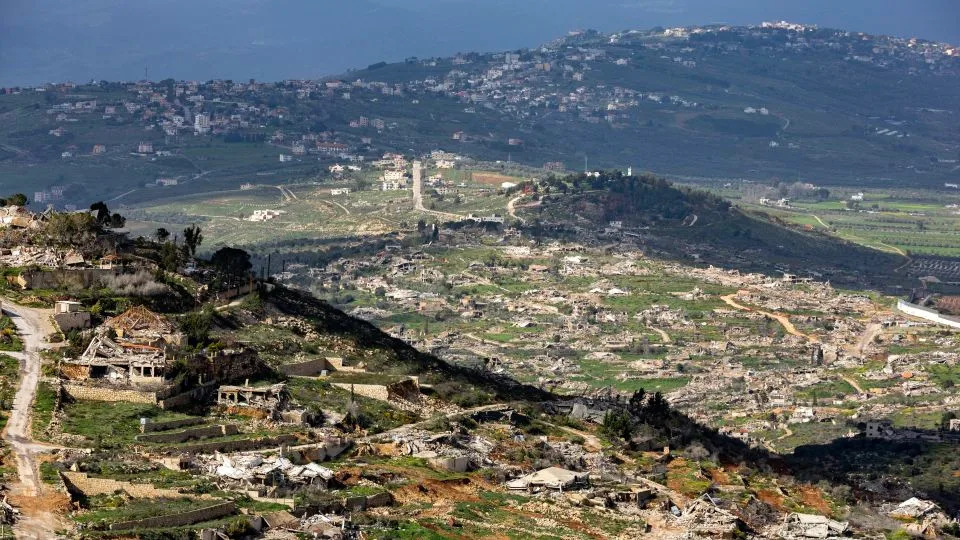
Destroyed houses and buildings in southern Lebanon are seen across the border from the Upper Galilee in northern Israel on March 20, 2026. - Odd Andersen/AFP/Getty Images
Humanitarian Toll
The humanitarian situation continues to deteriorate. Iranian authorities and the Iranian Red Crescent report more than 18,000 civilians injured and over 1,330 people killed, including at least 200 children. Lebanon’s health ministry reports more than 1,000 fatalities and over 1 million people displaced. The scale of casualties and displacement is driving urgent relief needs across the region.
Other Notable Developments
Iran claimed it struck a logistics base used by the US Embassy in Baghdad on multiple occasions; the embassy compound has been targeted repeatedly since fighting began. Tehran warned the United Arab Emirates it could strike Ras al-Khaimah if Iranian islands in the Gulf continue to be attacked. Russian President Vladimir Putin told Iranian leaders that Moscow remains "a loyal friend and reliable partner" during the crisis, and Western intelligence reports suggest Russia has shared advanced drone tactics with Iran.
Iranian state media Tasnim reported that US and Israeli strikes hit the Natanz uranium-enrichment facility on Saturday but said there were no radioactive leaks and local residents were not at risk; the Israeli military told CNN it was "not familiar" with any such attack. Reporting contributions: Zachary Cohen and Elise Hammond.
The situation remains volatile and fluid. Diplomatic efforts, military deployments and humanitarian responses are unfolding daily as regional and global actors monitor the conflict’s next moves.
Help us improve.





















