Quick Take: President Trump gave two contradictory public accounts after Israeli jets struck Iran’s South Pars gas facilities: first framing the operation as coordinated with the U.S., then denying prior knowledge after Iran’s retaliation against Qatar. Israeli officials told CNN the strike had been deconflicted with Washington, while U.S. military spokespeople denied operational involvement. Observers say rising energy prices and Qatari diplomatic pressure help explain the White House’s public distancing, and analysts warn the president could again intervene to abruptly halt the campaign.
Trump Reverses Course After Israel’s South Pars Strike as Energy Prices and Qatari Pressure Rise
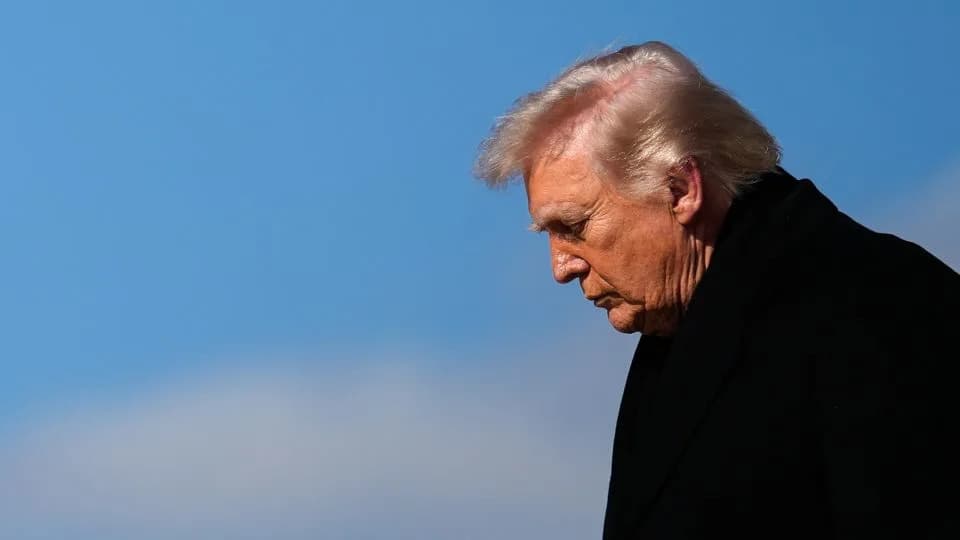
US President Donald Trump disembarks Air Force One on March 18 at Joint Base Andrews, Maryland. - Julia Demaree Nikhinson/AP
Within hours of Israeli jets striking facilities in Iran’s South Pars gas field, President Donald Trump posted a combative message on Truth Social: "We are putting them out of business." Israeli officials briefed reporters that the operation had been carried out with U.S. coordination and consent.
Later the same day, after Iran launched retaliatory strikes that hit targets in Qatar and pushed energy prices higher, Mr. Trump publicly changed his tone. He told reporters the United States "knew nothing about this particular attack" and warned that "NO MORE ATTACKS WILL BE MADE BY ISRAEL" on South Pars unless Iran struck Qatar again — effectively offering two conflicting descriptions of the same action within hours.
Conflicting Accounts and Deconfliction
CNN reported that several Israeli officials described the strike as coordinated with Washington; one senior Israeli source said Israel would not have carried out the operation without informing U.S. military authorities. Former U.S. ambassador to Israel Dan Shapiro wrote on X that there was "zero, I mean zero, chance the IDF would conduct a strike in that location without giving CENTCOM full visibility."
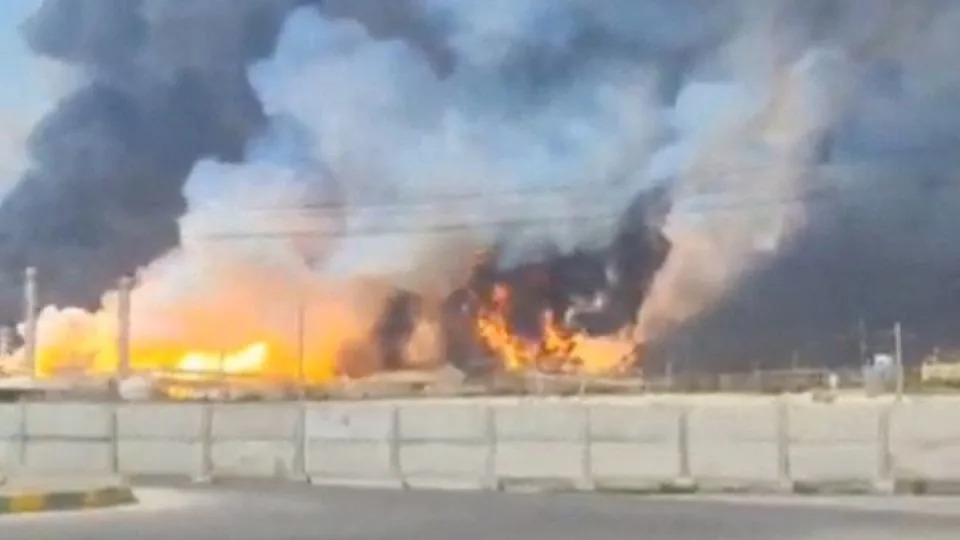
Smoke and fire rise near the South Pars gas field following an attack in Bushehr Province, Iran, on Thursday, in this screengrab obtained from a social media video. - Reuters
At the same time, U.S. Central Command publicly denied operational involvement, and the White House pointed journalists to Mr. Trump’s public remarks when asked about the strikes. Axios earlier documented a separate disagreement between Washington and Jerusalem after IDF strikes on Tehran-area fuel depots, which reportedly surprised the White House with their impact on fuel prices and environmental damage.
Qatar, Energy Prices and Diplomacy
Multiple Israeli sources told CNN that pressure from Qatar played a key role in Mr. Trump's rebuke. The president has previously sided with Doha when Israeli actions strained Qatar-Israel ties — most notably after a 2025 strike in Doha that targeted Hamas political figures, which prompted a public rebuke from Mr. Trump and a mediated apology call from Israeli Prime Minister Benjamin Netanyahu to Qatar’s leader at the White House.
Analysts and Israeli officials say the combination of rising gas and oil prices and domestic political pressure in the U.S. helps explain the president’s decision to publicly distance Washington from the energy-focused strikes. Publicly denying involvement provides political cover if energy prices continue to climb.
Implications
Mr. Trump has previously taken direct steps to halt Israeli operations: in June 2025 he ordered the Israeli air force to recall jets headed to Iranian targets, ending a 12-day escalation. With gas prices surging and growing domestic opposition to prolonged conflict, the White House’s political timeline may be shorter than Israel’s military objectives — increasing the likelihood of another abrupt intervention to curtail the campaign.
Bottom line: Conflicting public statements from the U.S. and Israel reflect both the sensitive mechanics of military deconfliction and the political pressures — from Qatar and from energy markets — shaping how the campaign against Iran unfolds.
Help us improve.