
The conflict between Iran and forces it blames on the U.S. and Israel has spilled into the Persian Gulf, with Iranian strikes hitting energy and civilian sites and alarming regional capitals. Gulf leaders meeting in Riyadh warned Tehran that affected states possess significant military capabilities and face a stark choice about whether to respond. The UAE reports large numbers of incoming drones and missiles, and officials fear the war could widen if proxy groups such as Yemen’s Houthis are activated. Diplomacy is ongoing as Gulf states press the U.S. for defensive support while calling for de-escalation.
Iran’s Retaliation Forces Gulf States to Weigh Direct Involvement as Strikes Escalate
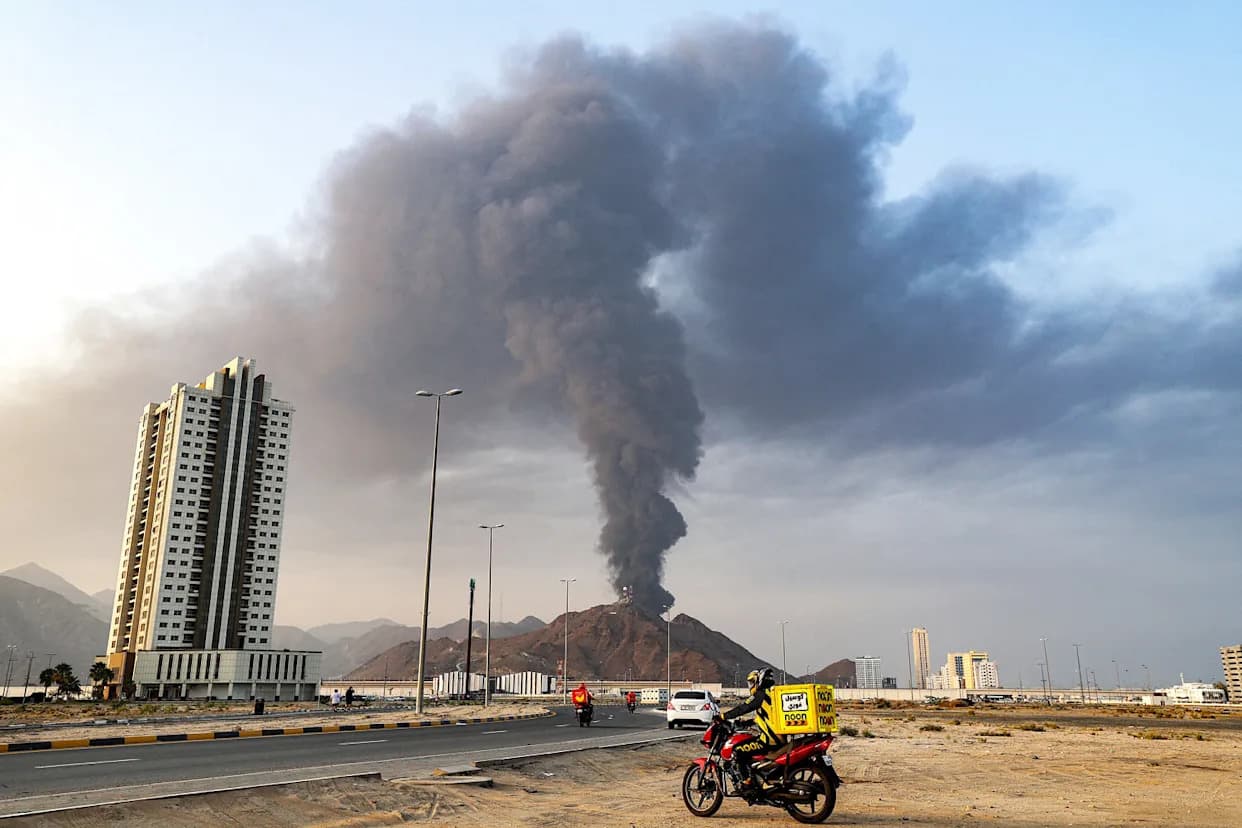
A tall smoke plume billows following an explosion in the Fujairah industrial zone, United Arab Emirates, on March 3. (Fadel Senna / AFP via Getty Images file)(Fadel Senna)
As Gulf and regional leaders met in Riyadh this week, explosions and strikes attributed to Iran echoed outside — an action Saudi officials say was intended to send a message to the gathering. The strikes, which Tehran says were retaliation for an earlier attack on Iranian infrastructure, have raised the stakes for Gulf states already grappling with rising insecurity and economic risk.
Riyadh Meeting and Regional Alarm
Representatives from Bahrain, Egypt, Jordan, Kuwait, Lebanon, Pakistan, Qatar, Azerbaijan, Syria, Turkey and the United Arab Emirates joined Saudi officials in closed-door talks. Saudi Foreign Minister Prince Faisal bin Farhan Al Saud told reporters the assault was timed to coincide with the meeting "to intimidate those present. To send home the message that Iran will not stop."
"The attack was timed to coincide with this meeting...To intimidate those present. To send home the message that Iran will not stop," Prince Faisal said.
Escalation After Strikes on Energy Infrastructure
Regional tensions spiked after an attack on South Pars, Iran’s largest gas field, which Iranian officials say prompted their own retaliatory strikes on energy and other sites across Gulf Arab states. Early-morning plumes of smoke and large fireballs signaled a sharp intensification of the conflict and underscored threats to the region’s economy and global energy markets.
Iran’s Foreign Minister Abbas Araghchi wrote on X (formerly Twitter) that Tehran’s response to damage inflicted on its infrastructure so far had "employed a FRACTION of our power," and warned of "ZERO restraint if our infrastructures are struck again."
Gulf States Face a Stark Choice
Gulf capitals say they want an end to the fighting but are divided over the best path forward. Some states are urging the United States to find a diplomatic off-ramp quickly. Others worry that a U.S. withdrawal would leave Iran intact and emboldened, increasing the risk of continued instability.
All six Gulf Cooperation Council ambassadors — from Saudi Arabia, Qatar, the United Arab Emirates, Bahrain, Kuwait and Oman — held closed-door meetings with members of the U.S. House Foreign Affairs and Armed Services committees and senators from the Senate Foreign Relations Committee. According to congressional aides, the envoys pressed for expedited arms sales and discussed options to respond to escalating attacks.
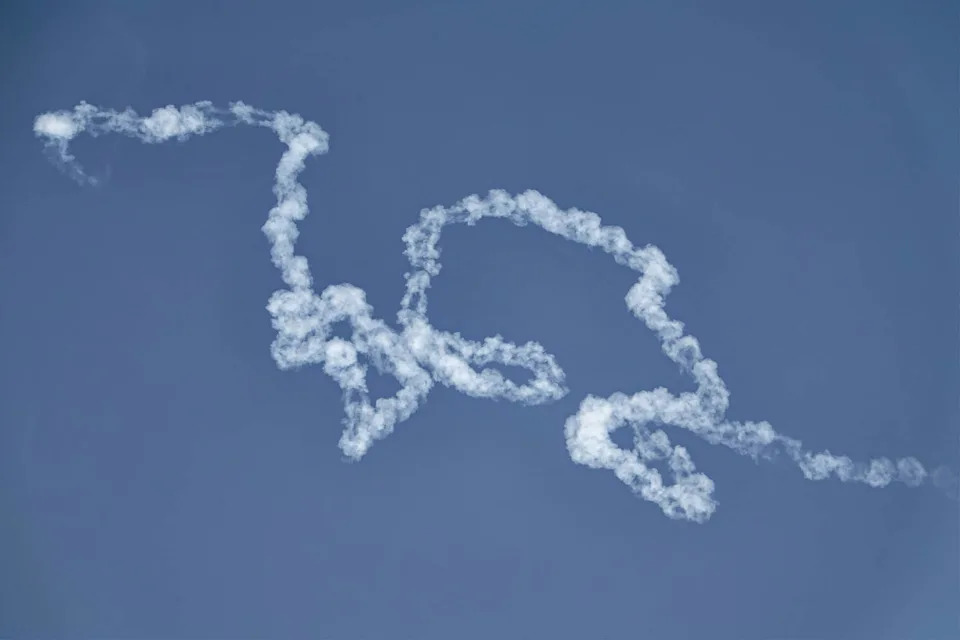
Smoke from a reported rocket interception is seen in the sky over Abu Dhabi on Feb. 28, 2026. (Fadel Senna / AFP via Getty Images)(Fadel Senna)
Economic, Civilian And Military Impact
A senior Gulf official described the strikes on energy and civilian infrastructure as a strategic error by Tehran that is increasingly damaging regional economies and tourism. "The mood has very much turned into anger," the official said, noting that Gulf states do not want to be drawn into a wider war and have refused to allow their airspace to be used for attacks on Iran.
The United Arab Emirates has reported substantial numbers of incoming threats it attributes to Iran: 1,714 drones, 334 ballistic projectiles and 15 cruise missiles detected, according to UAE data shared with regional authorities. While many strikes have been aimed at military targets, civilian infrastructure — including Qatari energy facilities — has also been hit, raising concerns about long-term regional consequences.
Risk Of Wider Regional Involvement
Officials have raised the prospect that allied militias or proxy forces — including Houthi rebels in Yemen — could be asked to open new fronts, particularly in the Red Sea. U.S. officials say there were no clear signs yet that the Houthis would enter the conflict, but Gulf officials warn that the group remains "on standby" and the situation could change quickly.
Oman has repeatedly called for immediate de-escalation and a ceasefire, stressing that Gulf states are suffering the consequences of a conflict they did not choose. Other Gulf officials said rebuilding trust with Iran after sustained attacks would be difficult and could take a long time.
What Comes Next
Gulf leaders are balancing three urgent priorities: protecting citizens and critical infrastructure, preventing a broader regional conflagration, and preserving economic stability. Diplomatic engagement with the United States and neighboring states continues as Gulf capitals press for more defensive support while publicly calling for restraint and de-escalation.
Key immediate risks: more retaliatory strikes on energy and civilian facilities, potential activation of proxy forces such as the Houthis, and growing economic fallout across tourism and energy markets.
This article is based on reporting from NBC News and statements by regional officials and ministries.
Help us improve.





















