
Joe Kent, director of the U.S. National Counterterrorism Center, resigned in protest over the war with Iran, saying Iran posed no imminent threat. Representative Ro Khanna has urged Congress to hear Kent’s testimony, and Senator Patty Murray said the resignation undermines the war’s justification. The bulletin also highlights diplomatic reporting from Geneva, a Pam Bondi subpoena related to the Jeffrey Epstein files, a planned fee cut to renounce U.S. citizenship, and rising energy prices after attacks on Iranian facilities.
Trump News At A Glance: Ex-Counterterror Chief Resigns Over Iran War — Calls Grow For Congressional Testimony
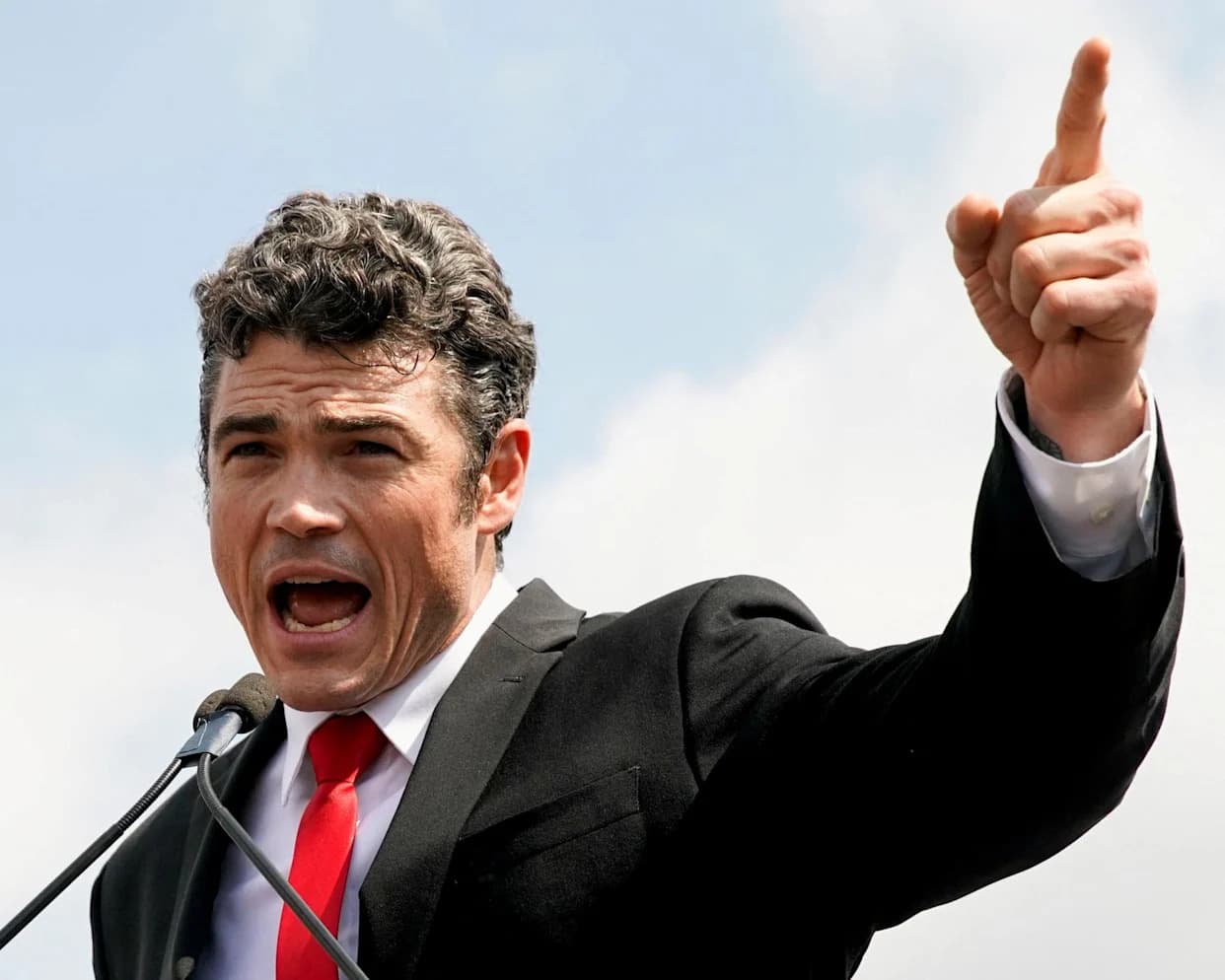
Joe Kent resigned from his post over the war in Iran.Photograph: Elizabeth Frantz/Reuters(Photograph: Elizabeth Frantz/Reuters)
Joe Kent, the director of the U.S. National Counterterrorism Center and a prominent Trump supporter, resigned in protest over the war with Iran, writing on X (formerly Twitter) that "I cannot in good conscience support the ongoing war in Iran. Iran posed no imminent threat to our nation," and blaming pressure from Israel and its U.S. supporters.
California Representative Ro Khanna urged Congress to summon Kent to explain his decision and to clarify whether senior officials believed Iran posed an imminent threat. Senator Patty Murray called the resignation a public admission that there was no justification for the war and condemned Kent in sharp terms.
Key developments
Resignation and reaction: Kent posted a resignation letter on X criticizing the administration's rationale for the conflict. Lawmakers from both parties have seized on his departure to demand more transparency about the lead-up to U.S. military action.
Diplomacy and timing: According to the Guardian, Britain’s national security adviser Jonathan Powell attended final talks between the U.S. and Iran in Geneva and judged Tehran’s offer on its nuclear program sufficient to reduce the risk of immediate conflict. Two days after those talks and following plans for further technical discussions in Vienna, the U.S. and Israel launched attacks on Iranian targets.
Other political and legal fallout: Former Florida attorney general Pam Bondi has been subpoenaed by a House panel to answer questions about the Justice Department’s handling of the Jeffrey Epstein investigation and the release of related files. Separately, reporting indicates an early U.S. intelligence assessment briefly suggested an Iranian origin for the missile that struck an elementary school, a finding that was quickly discounted.
Domestic policy and economy: The administration will reduce the fee to renounce U.S. citizenship from $2,350 to $450 in April, accepting a fiscal shortfall to reverse a long-criticized 2015 hike. The Senate voted 51-48 to begin debate on the Save America Act (a rebranded version of the Safeguard American Voter Eligibility Act). Oil and gas prices rose after Iran attacked production facilities for the first time since the start of the conflict with the U.S. and Israel.
Judiciary and other news: Chief Justice John Roberts warned that personal attacks on judges are "dangerous, and it's got to stop," comments that followed recent criticisms of the judiciary from former president Donald Trump. Oil flow resumed through a controversial California pipeline after a Trump administration order, drawing criticism from state officials. Trump also made a combative comment about Cuba amid a U.S.-imposed oil blockade and widespread outages.
If Kent is called to testify, lawmakers and the public will be watching for a clearer account of the intelligence and diplomatic judgments that led to the U.S. campaign against Iran.
Help us improve.





















