
The International Chamber of Shipping warns that about 20,000 seafarers on roughly 3,000 vessels in the Persian Gulf face dwindling supplies of fuel, potable water and food amid regional hostilities. Resupplying by sea is hampered by widespread uncertainty over targeting criteria and safe passage. ICS calls on flag states, regional authorities and governments to create clear guarantees or corridors for safe transit and prioritised resupply. The issue will be raised at an emergency IMO meeting in London.
Thousands Of Crew Stranded In Gulf As Fuel And Water Supplies Run Low — Shipping Industry Urges Safe Passage
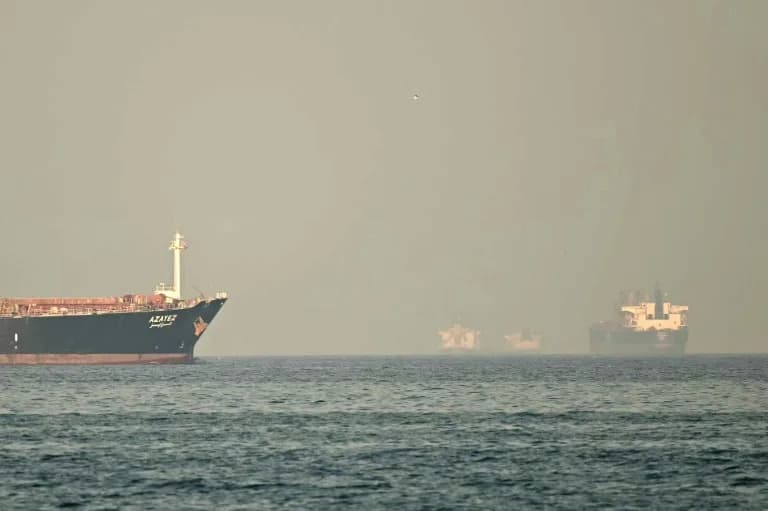
Most commercial ships near the Strait of Hormuz are stalled because of threats of Iranian attacks (Giuseppe CACACE)(Giuseppe CACACE/AFP/AFP)
The shipping industry has warned that roughly 20,000 seafarers on about 3,000 vessels are effectively trapped in the Persian Gulf, facing growing shortages of fuel, potable water and other essentials amid ongoing regional hostilities.
Situation On Board
John Stawpert, marine director of the London-based International Chamber of Shipping (ICS), which represents national shipowner associations and more than 80% of the world merchant fleet, warned ahead of an emergency International Maritime Organization (IMO) meeting in London that many ships are unable to move and are at risk of running low on critical supplies.
Supplies And Immediate Risks
Stawpert said the most urgent needs are basic supplies such as food and drinking water, followed by fuel. Some vessels have already reported issues with fuel oil, and there are growing concerns about several ships' ability to produce potable water onboard.
"Our biggest concern at the moment is the impact of an ongoing war on the stores on board the ships. We're already seeing some issues reported about fuel oil supplies. We've also got concerns about the ability of some of those ships to produce potable water."
Barriers To Resupply
Resupplying ships by sea is extremely difficult when vessels cannot transit the region safely. A key obstacle is uncertainty about targeting criteria for ships passing through the area—unclear rules and threat assessments have kept many vessels anchored and unable to replenish essential stores.
Military Escorts And Intelligence
Military escorts could assist but their effectiveness depends on the terms, scope and transparency of protection. Stawpert emphasised that escorts are only part of the solution: timely intelligence, clear communication and agreed threat assessment procedures are crucial so that all ships—not only those of particular flags—can move safely.
What Governments And Organisations Must Do
The ICS is urging cooperation between flag states, regional authorities and other stakeholders to establish a mechanism or corridor guaranteeing safe transit and prioritised resupply for stranded vessels. The organisation plans to press these proposals at the emergency IMO meeting in London, seeking urgent, practical measures to get maritime traffic flowing and protect crew welfare.
Reporting note: The ICS highlighted the humanitarian dimension—ensuring food, potable water and fuel where possible—while calling for clear, shared rules to restore confidence for ship movements in the Strait and surrounding waters.
Help us improve.





















