Heavy rains have worsened Lebanon's humanitarian crisis, forcing displaced families in Sidon and Beirut to shelter under tarpaulins and in truck beds after communal shelters reached capacity. More than 800,000 people — roughly 15% of the population — have fled since fighting escalated on March 2, yet only about 132,000 are in collective shelters. The UN has launched a $308 million emergency appeal as the Lebanese health ministry reports 850 dead and over 2,100 wounded.
Heavy Rain Forces Displaced Lebanese to Shelter Under Tarpaulins and Truck Beds as Shelters Overflow
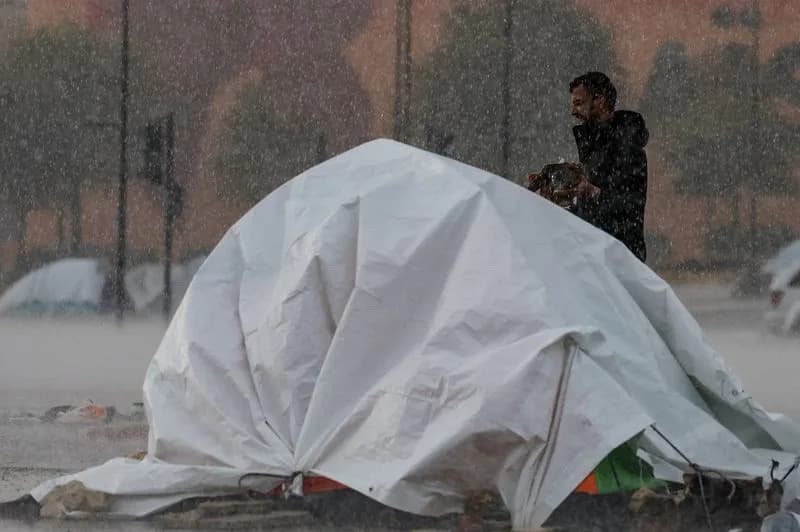
A displaced man stands next to a tent during rainfall, following an escalation between Hezbollah and Israel, amid the U.S.-Israeli conflict with Iran, in Beirut, Lebanon, March 15, 2026. REUTERS/Amr Abdallah Dalsh
Hussain Murtada and his family are sheltering in the back of a small truck on the Sidon seafront, draping a thin tarpaulin over their makeshift camp to keep out a weekend storm after communal shelters in the southern city had no space left for the displaced.
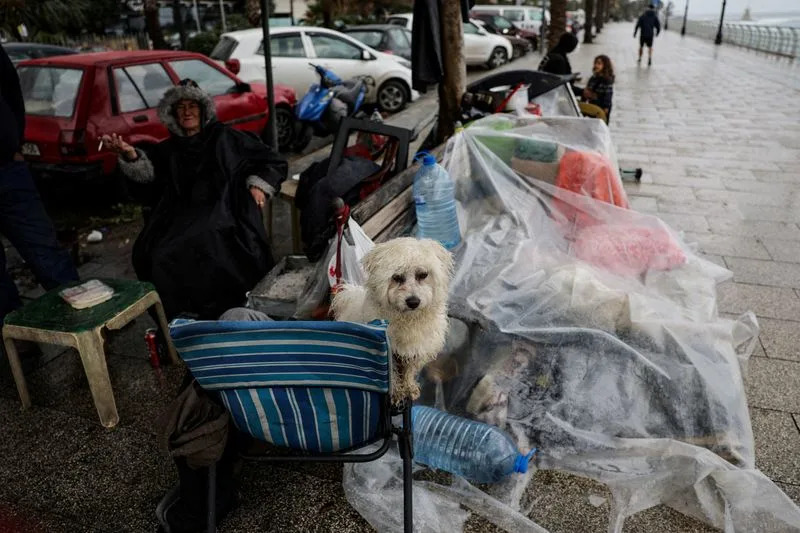
A dog looks on next to displaced people at the corniche after rainfall, following an escalation between Hezbollah and Israel, amid the U.S.-Israeli conflict with Iran, in Beirut, Lebanon, March 15, 2026. REUTERS/Khalil Ashawi
"We are putting tarp over it because we're soaked," Murtada said as he used string to secure the plastic sheet across the truck's loading area. An infant peered out from among pillows, blankets and the family's few belongings. The family fled Hanawiya, about 12 km (8 miles) from the border with Israel.
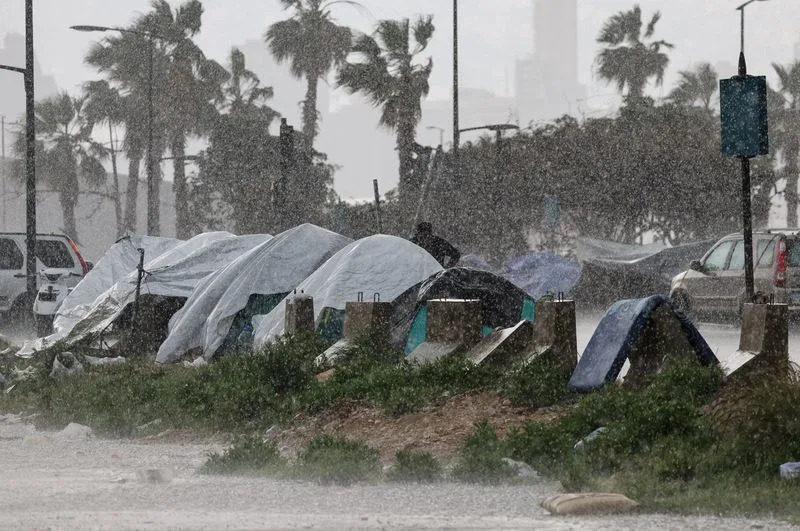
Rain falls over tents used by displaced people on a street along the corniche overlooking the sea, following an escalation between Hezbollah and Israel, amid the U.S.-Israeli conflict with Iran, in Beirut, Lebanon, March 15, 2026. REUTERS/Amr Abdallah Dalsh
"I asked here at the schools and they are full, they're all full," he said. "What should I ask for? I just want a shelter for me and the children."
Across southern Lebanon and in Beirut, heavy rains have compounded an already severe humanitarian crisis. Lebanese authorities estimate more than 800,000 people — roughly 15% of the country's population — have been displaced since fighting escalated on March 2. Only about 132,000 of those displaced are in collective shelters; the rest are staying with relatives, in unfinished buildings, in host communities or on the streets.
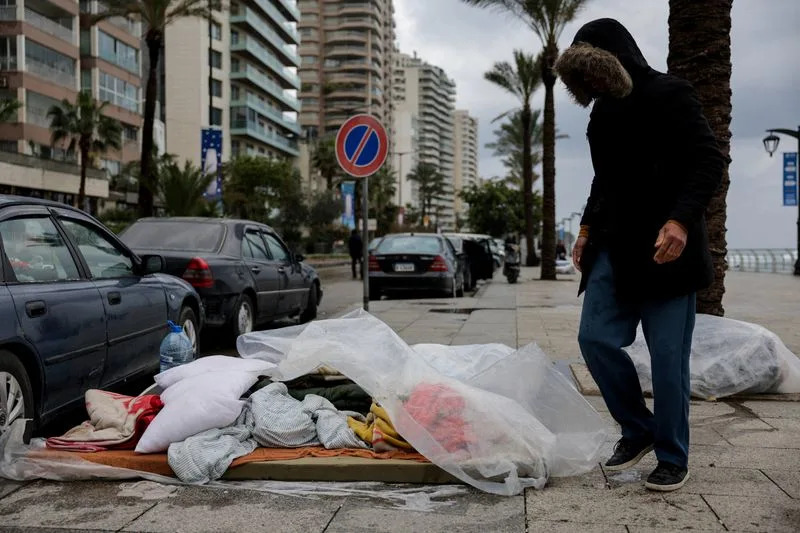
A displaced man stands next to a makeshift bed at the corniche in Beirut after rainfall, following an escalation between Hezbollah and Israel, amid the U.S.-Israeli conflict with Iran, in Beirut, Lebanon, March 15, 2026. REUTERS/Khalil Ashawi
Mohammad Marie, who fled Nabatieh in the south, had been using a plastic sheet for protection on Beirut's Corniche until wind blew it away. "It might keep raining for a week, so where will I go? I will stay here, what else can I do? I have no shelter except here, under this tree," he said, his clothes sodden.
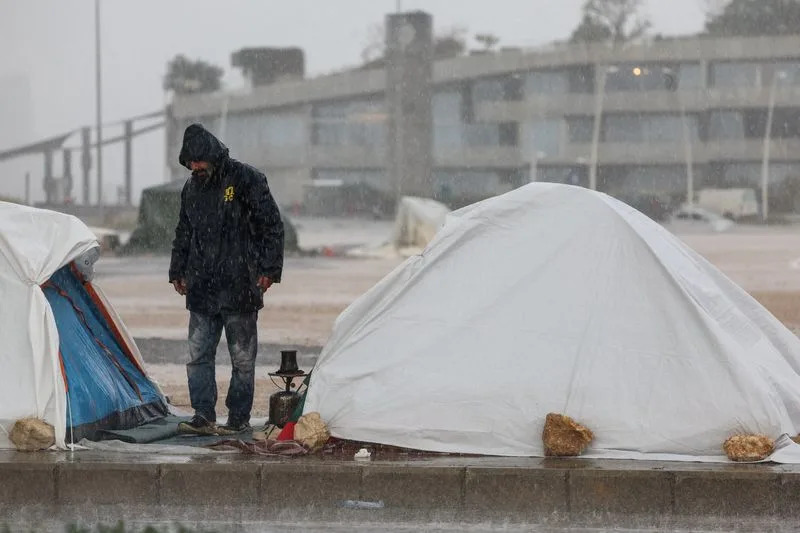
A displaced man stands next to tents during rainfall, following an escalation between Hezbollah and Israel, amid the U.S.-Israeli conflict with Iran, in Beirut, Lebanon, March 15, 2026. REUTERS/Amr Abdallah Dalsh
Humanitarian Response and Casualties
The United Nations launched a $308 million flash appeal to help Lebanon cope with the fallout from the conflict, calling for urgent support for shelter, food, medical care and winterized emergency supplies. Lebanese health ministry figures show that Israeli attacks have killed 850 people and wounded more than 2,100 in Lebanon since March 2, including 107 children and 66 women; the ministry's toll does not distinguish combatants from civilians.
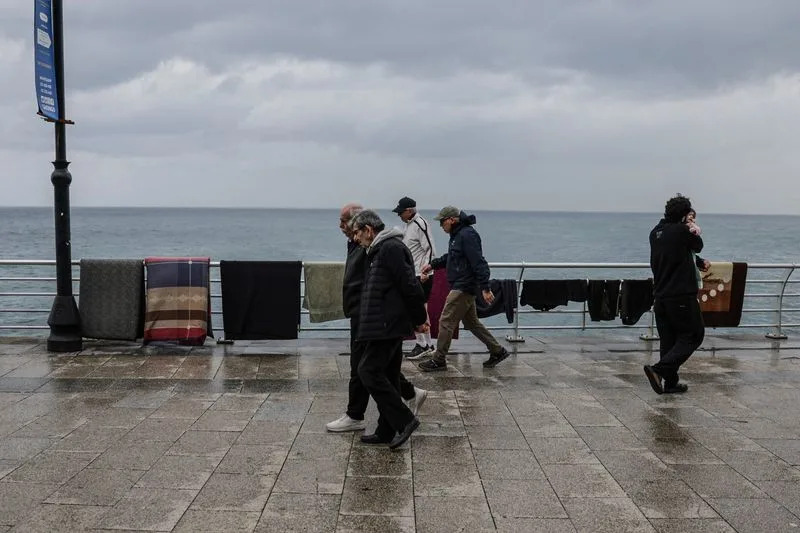
People walk past belongings left out to dry at the corniche after rainfall, following an escalation between Hezbollah and Israel, amid the U.S.-Israeli conflict with Iran, in Beirut, Lebanon, March 15, 2026. REUTERS/Khalil Ashawi
Meanwhile, reports say two Israeli soldiers have been killed in southern Lebanon. Israeli authorities say there have been no reported fatalities inside Israel from Hezbollah rocket and drone strikes since the escalation began on March 2.
The images of families huddled under tarpaulins, in truck beds and beneath trees underline a growing emergency: overcrowded shelters and worsening weather are creating immediate protection and health risks for thousands of displaced people, particularly children, the elderly and pregnant women.
What Aid Workers Say: Relief groups emphasize the urgent need for additional shelter space, warm, dry supplies and scaled-up funding to prevent exposure-related illness and to support families who have lost homes and livelihoods.
Help us improve.