
Key takeaway: U.S. officials describe the administration's campaign against Iran as poorly planned and inconsistently communicated, leaving diplomats and allies scrambling. Over two weeks of fighting have killed more than 2,000 people and displaced millions, while U.S. fatalities have reached 13. Disruption of the Strait of Hormuz has raised global energy risks, and Tehran has consolidated power by appointing Mojtaba Khamenei as Supreme Leader. Inside the White House, aides are working to craft a political narrative amid mixed public messages from senior officials.
Inside a Chaotic Campaign: Officials Say Trump’s Iran Strategy Lacked Planning and Clarity
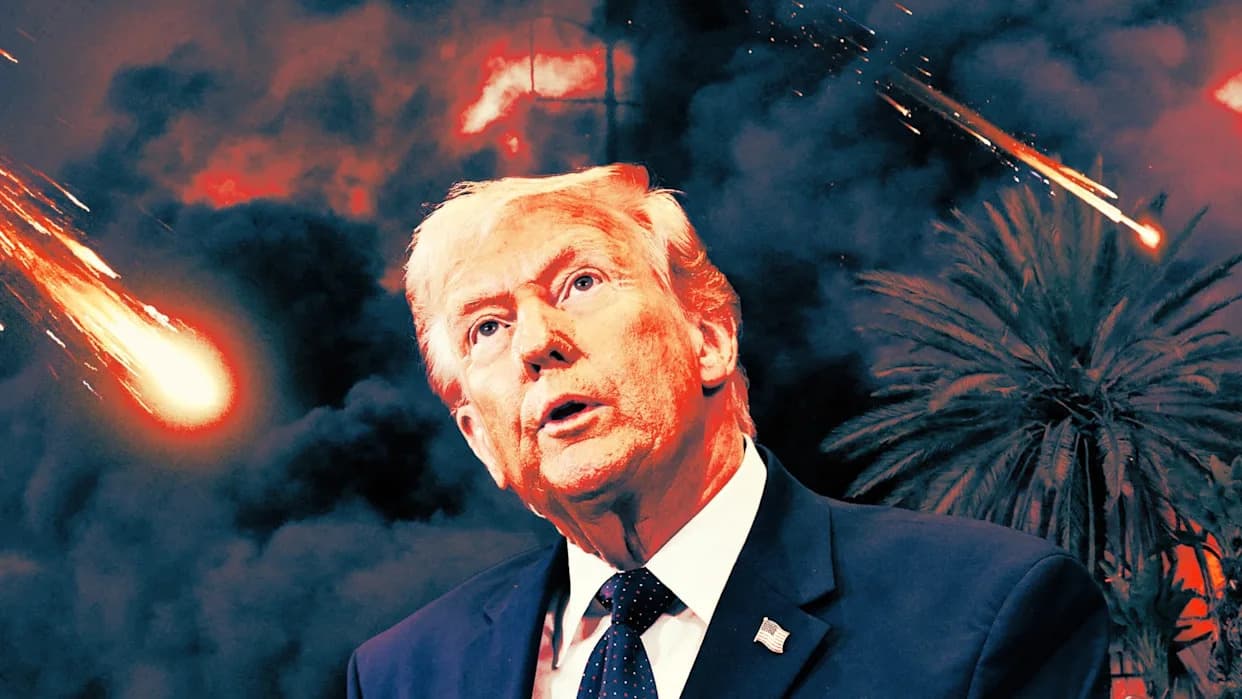
Photo Illustration by Victoria Sunday/The Daily Beast/Getty Images/Reuters
U.S. government insiders say President Donald Trump’s campaign against Iran has been marked by poor planning, inconsistent messaging and limited coordination with allies, leaving officials scrambling to manage the fallout, multiple sources told the Daily Beast.
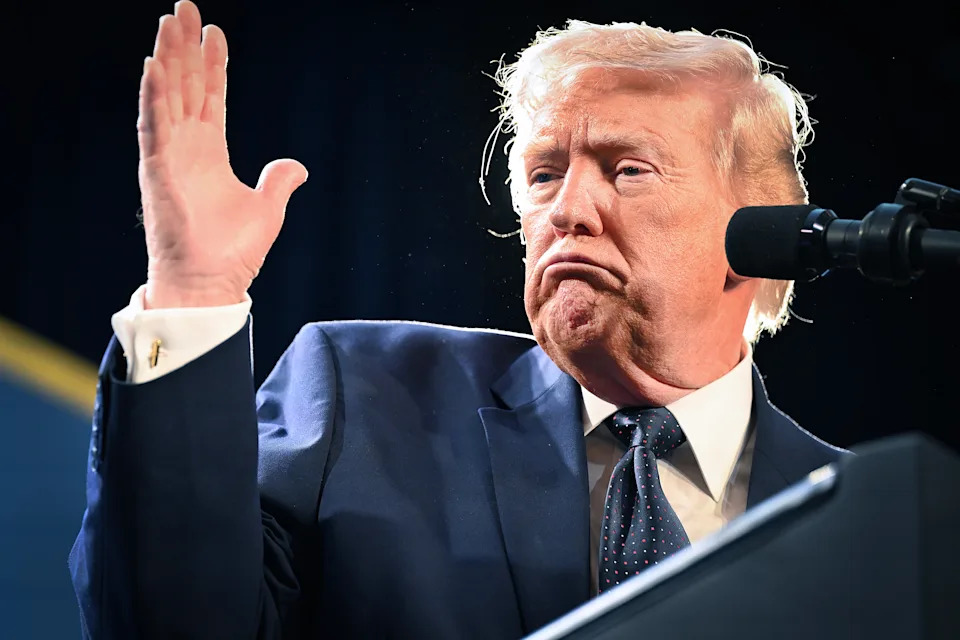
President Donald Trump says the war will end when he feels it in his bones. / Roberto Schmidt/Getty Images
Officials Describe Confusion and Rapid Shifts
As casualties mounted on the 13th day of the conflict, the White House offered no clear timeline for an end. When asked on a radio interview when the fighting would stop, the president replied that it would end "when I feel it in my bones," a remark that several officials described as emblematic of broader uncertainty.
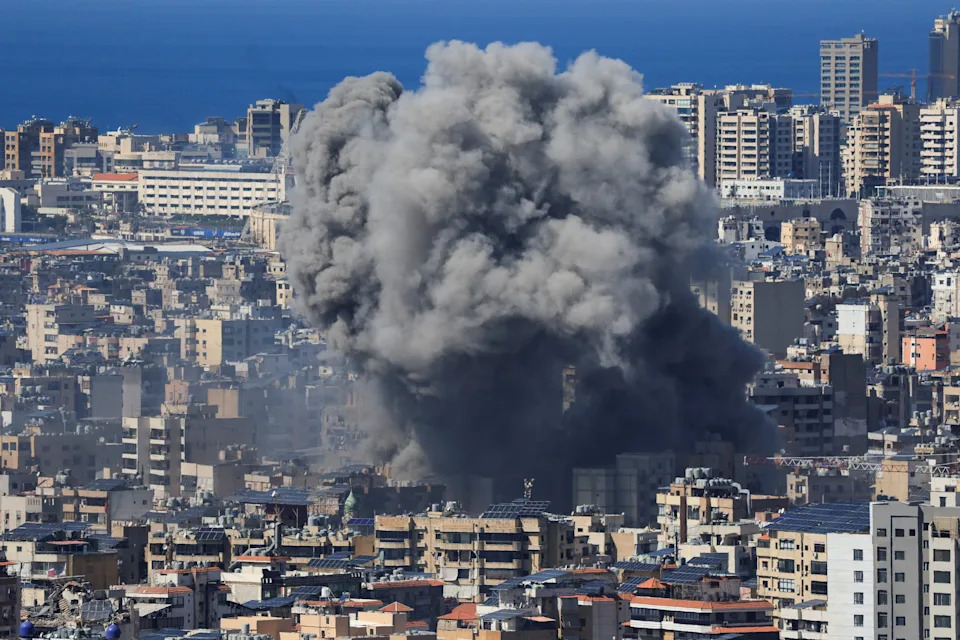
Smoke billows after an Israeli strike on Beirut's southern suburbs on March 9, 2026. / Mohamed Azakir / REUTERS
"It was a mess," a State Department official said, describing chaotic evacuation guidance and an automated hotline message that told Americans they could not rely on immediate government-assisted departures because evacuation points were not yet in place.
Other insiders told the Daily Beast that objectives shifted repeatedly — from degrading Iran's military and nuclear capabilities to pushing for regime change to claiming imminent victory — creating challenges for staff tasked with producing briefings and coordinating policy.
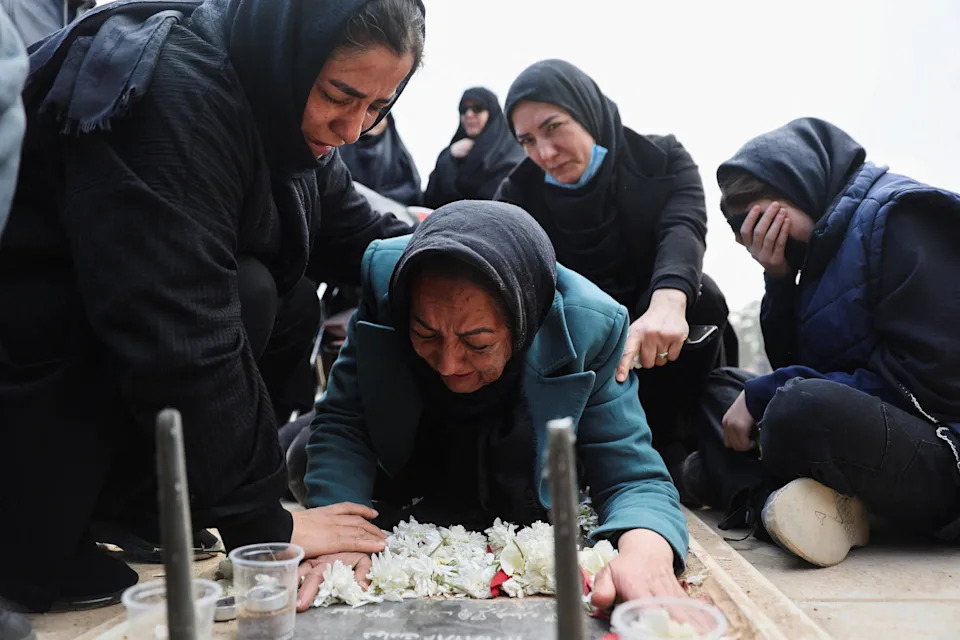
Mourners attend a funeral for victims of Israeli and U.S. strikes in Tehran, Iran, on March 9, 2026. / Majid Asgaripour / via REUTERS
Allies Caught Off Guard
Gulf partners reportedly expressed frustration at what they described as insufficient consultation and limited time to prepare for Iran's retaliatory responses. One official said allied governments were "caught off-guard," which complicated regional contingency and humanitarian planning.
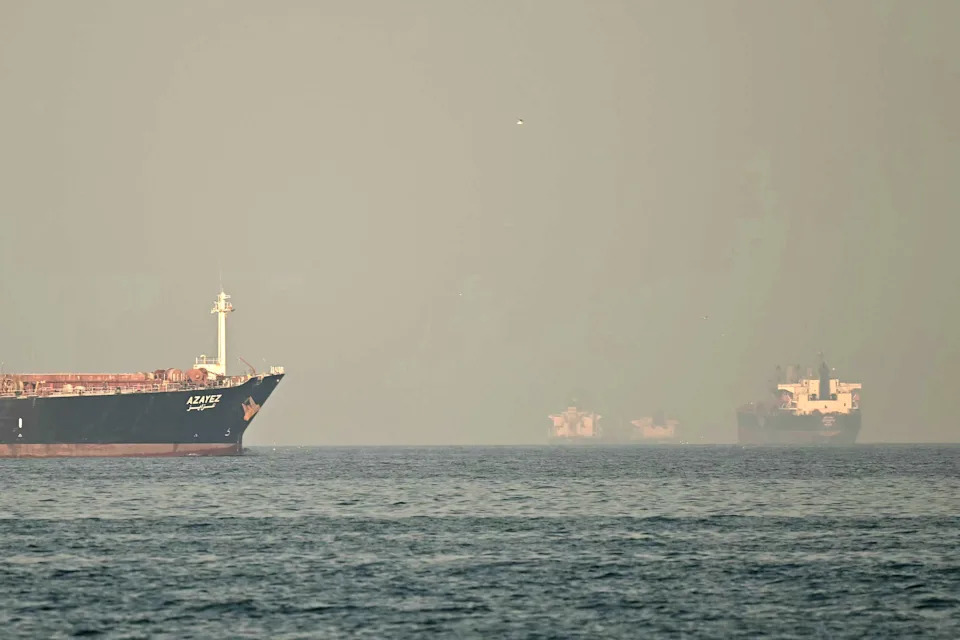
Cargo ships and tankers off the coastal city of Fujairah, in the Strait of Hormuz, days before Trump launched his conflict. / GIUSEPPE CACACE / AFP via Getty Images
The conflict has killed more than 2,000 people over the past two weeks, primarily in Iran and Lebanon, and displaced millions. American fatalities have risen as well; the U.S. death toll reached 13 after six airmen died when their aircraft crashed in western Iraq.
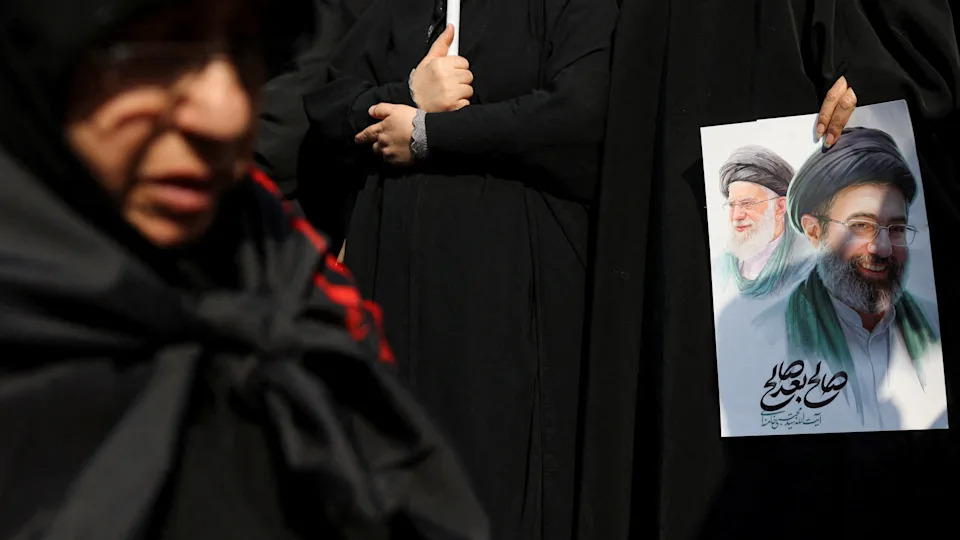
A woman holds an image of Iran’s new supreme leader, Mojtaba Khamenei, alongside late Iranian Supreme Leader Ayatollah Ali Khamenei. / Majid Asgaripour / via REUTERS
Economic and Political Risks
Strikes and retaliatory actions have disrupted traffic through the Strait of Hormuz, a chokepoint that handles roughly one-fifth of global oil and liquefied natural gas flows, contributing to higher global energy prices. With midterm elections approaching, the administration faces domestic political pressure from rising fuel costs, U.S. casualties and slipping poll numbers.
One Trump ally told reporters the administration had assumed escalation would pressure Iran into surrender, with the president reportedly seeking "unconditional surrender." "That was a miscalculation," the source said, adding that Iran appears to fear surrender more than Western military force.
Leadership Changes in Tehran
The campaign included targeted strikes against Iranian leadership. Tehran has since moved to consolidate control, appointing Mojtaba Khamenei, a 56-year-old hardline cleric and son of Ayatollah Ali Khamenei, as its new Supreme Leader. In early remarks after the change, Ayatollah Khamenei warned he would use the Strait of Hormuz as leverage to exact "revenge" for losses within his family.
Pentagon chief Pete Hegseth sought to reassure the public about broader oil-market impacts, saying officials "have been dealing with it, and don't need to worry about it," while the White House asserted that "America is fully prepared to crush short-term disruption and emerge stronger than ever."
Muddled Messaging From the West Wing
Inside the West Wing, aides have reportedly worked to shape a narrative that would allow the president to claim success or scale back the campaign before it erodes more political capital. But public statements have been inconsistent: senior officials alternately warned the campaign was just beginning and suggested its end was near. The president also posted on Truth Social claiming he had ordered "one of the most powerful bombing raids in the History of the Middle East" and that military targets on Kharg Island had been "totally obliterated." The Daily Beast and others reached out to the White House for comment.
This account is based on interviews with administration and diplomatic sources and reporting from the Daily Beast. Where possible, direct quotes and attributions have been preserved.
Help us improve.





















