
Israel has stepped up strikes on checkpoints in Tehran manned by the IRGC, acting on tips from informants, a source told Reuters. The attacks—part of joint aerial operations with the United States—aim to degrade Iran's elite forces and its military and nuclear capabilities. Officials also speak of creating conditions for possible political change, though Prime Minister Netanyahu says regime change is uncertain. Recent strikes reportedly hit three checkpoints, including positions linked to the Basij.
Israel Intensifies Strikes on IRGC Checkpoints in Tehran Using Informant Tips, Source Says
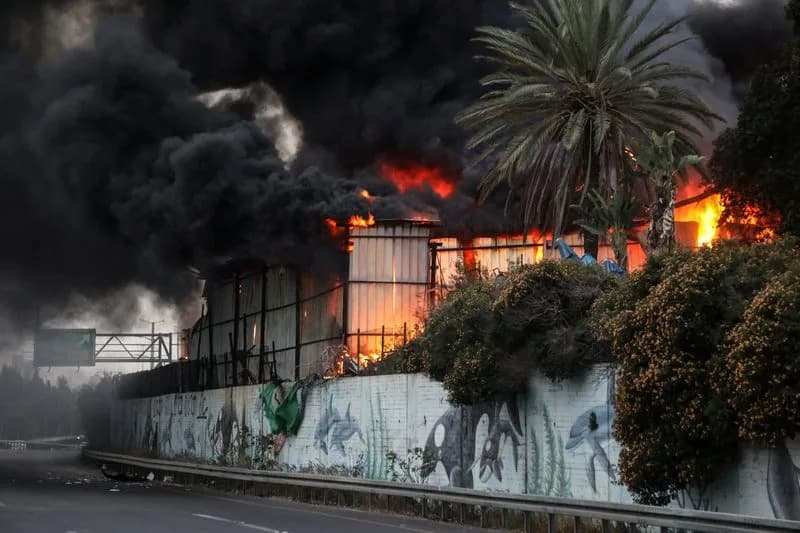
Fire ignited at the impact site following an Iranian missile strike, amid the U.S.-Israeli conflict with Iran, in central Israel March 13, 2026. REUTERS/Gideon Markowicz
JERUSALEM, March 13 — Israel has begun a new phase of operations against Iran, directing strikes at checkpoints manned by the Islamic Revolutionary Guard Corps (IRGC) based on tip-offs from informants on the ground, a source familiar with Israel's military planning told Reuters.
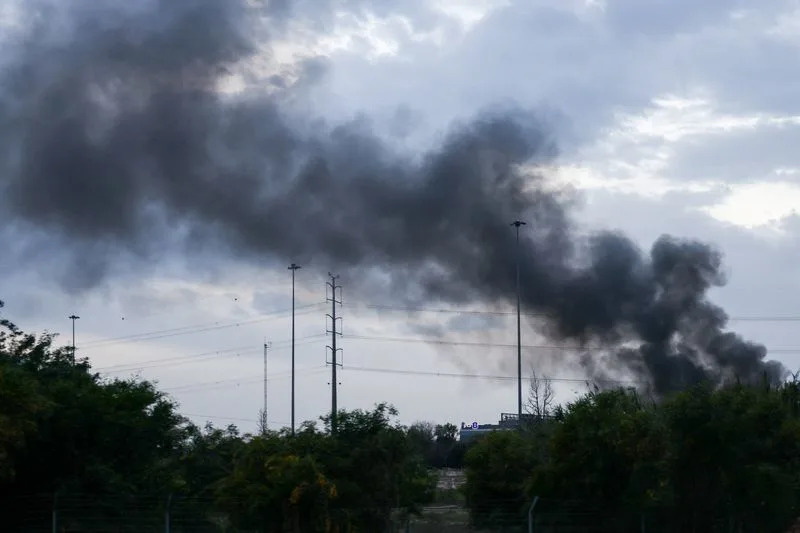
A plume of smoke rises from an impact site following an Iranian missile strike, amid the U.S.-Israeli conflict with Iran, in central Israel, March 13, 2026. REUTERS/Tyrone Siu
The reported targeting of checkpoints held by IRGC personnel signals an escalation aimed at degrading Iran's elite forces as Israel conducts joint aerial strikes with the United States. Israeli officials say their objectives include weakening Iran's military and nuclear capabilities and "creating the conditions" that might lead to internal political change, though Prime Minister Benjamin Netanyahu has acknowledged that regime change remains uncertain.
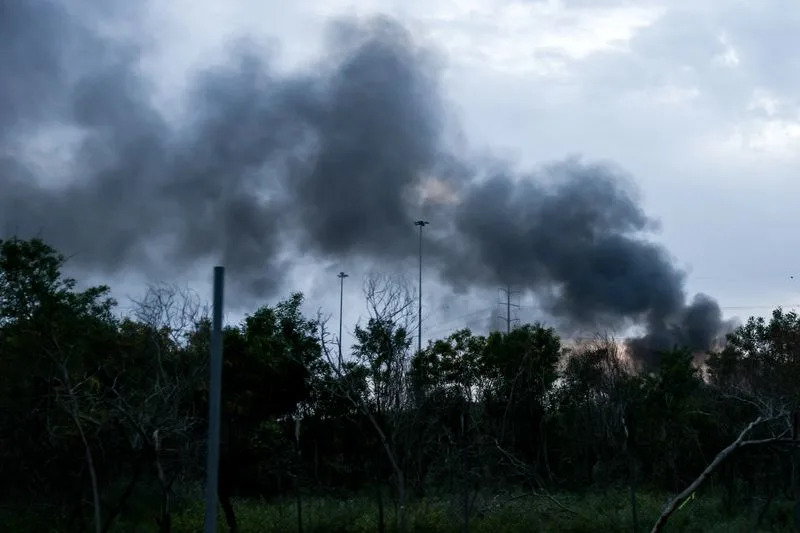
A plume of smoke rises from an impact site following an Iranian missile strike, amid the U.S.-Israeli conflict with Iran, in central Israel, March 13, 2026. REUTERS/Tyrone Siu
So far there has been no clear sign of organised dissent inside Iran amid the strikes, nor any indication that the country's leadership is preparing to relinquish power.
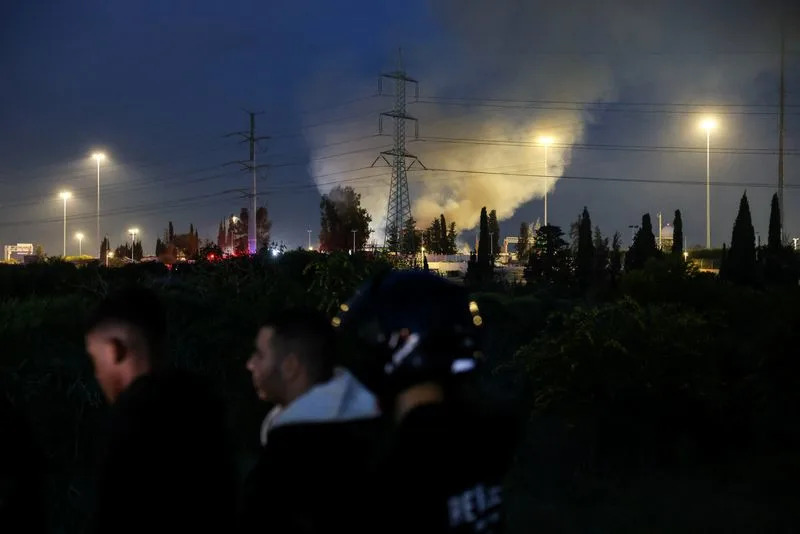
A plume of smoke rises from an impact site following an Iranian missile strike, amid the U.S.-Israeli conflict with Iran, in central Israel, March 13, 2026. REUTERS/Tyrone Siu
On Thursday, Israel's military said it had struck checkpoints in Tehran operated by the Basij, a part-time paramilitary force under IRGC control that is frequently used to suppress domestic protests. A source who spoke on condition of anonymity because they were not authorised to speak publicly told Reuters that informants in Tehran provided intelligence identifying the locations of three checkpoints that were hit over the past three days. The source could not confirm whether those sites included the Basij positions the military mentioned.
The Wall Street Journal earlier reported the use of informants to pinpoint checkpoint locations. Israel's military did not immediately respond to requests for comment.
Reporting by Emily Rose; Editing by Rami Ayyub and Peter Graff.
Help us improve.





















