
The U.S. and Israel have intensified strikes on Tehran while Iran continues attacks on Gulf shipping and energy infrastructure, pushing global oil above $100 a barrel. President Trump posted aggressive messages on Truth Social that celebrated the campaign and threatened Iran’s leadership. The Pentagon estimates the first week’s cost at about $11.3 billion, while the U.N. and Lebanese authorities report millions displaced and rising civilian casualties across the region. Incidents and air-defense engagements were reported in Dubai, Saudi Arabia and northern Iraq, where France confirmed the death of a soldier.
U.S. and Israel Step Up Strikes on Iran as Oil Tops $100 Amid Widening Regional Conflict
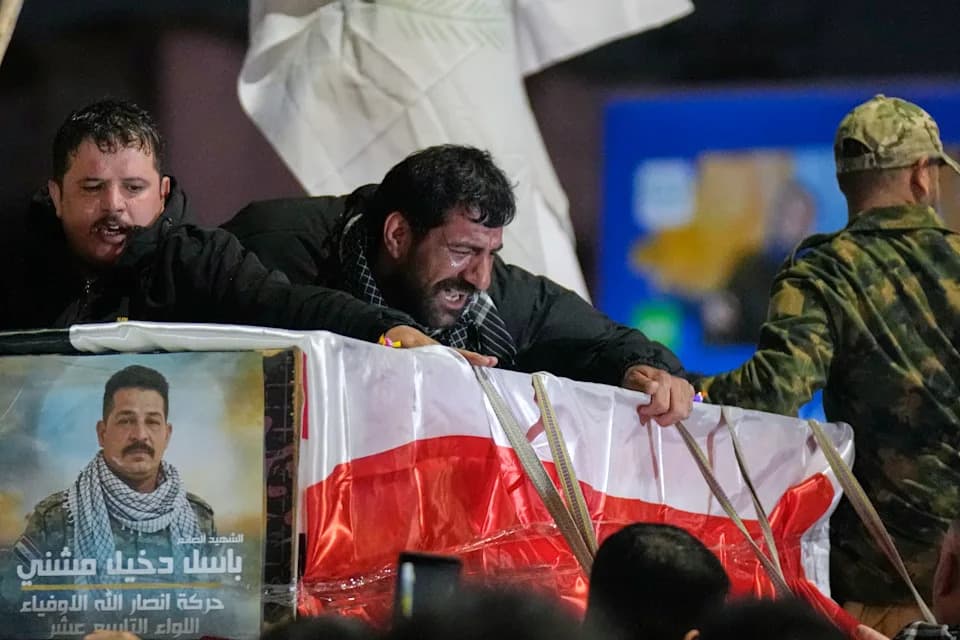
Relatives grieve in Baghdad, Iraq, on Thursday, March 12, 2026, during a funeral for members of the Popular Mobilization Forces who were killed in a U.S. airstrike in Qaim. (AP Photo/Hadi Mizban)(ASSOCIATED PRESS)
Intense U.S. and Israeli strikes have hit Tehran and areas around Iran’s capital as Iran continues attacks on Persian Gulf shipping and energy infrastructure, a confrontation that has pushed global oil prices back above $100 a barrel.
U.S. President Donald Trump posted a series of provocative messages on his Truth Social platform, including an explicit celebration of the strikes and a direct threat to Iran’s leaders. In one post he wrote:
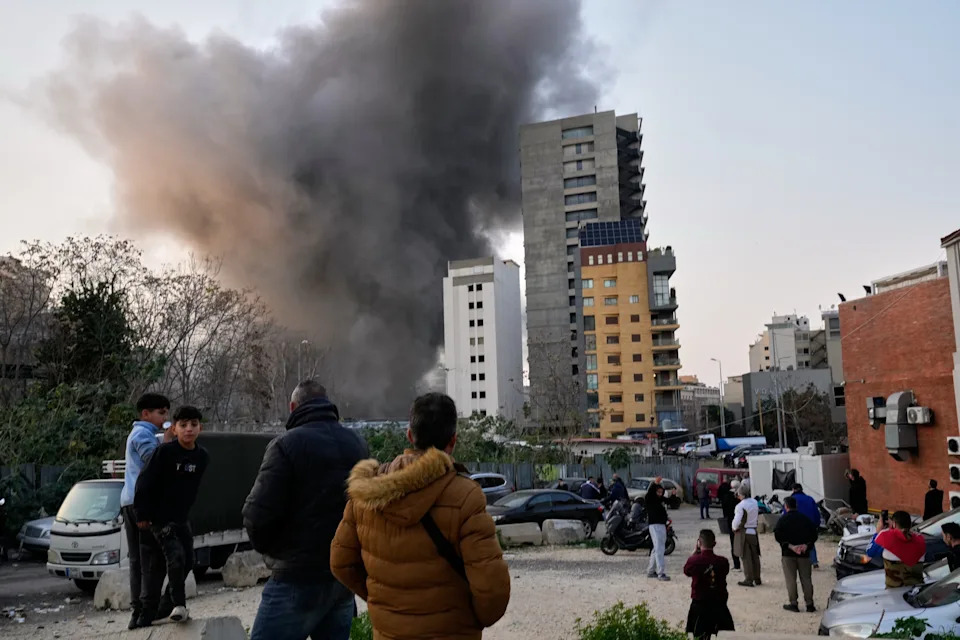
Residents watch as smoke rises from a nearby building during an Israeli strike in central Beirut, Lebanon, Thursday, March 12, 2026. (AP Photo/Hussein Malla)(ASSOCIATED PRESS)
“They’ve been killing innocent people all over the world for 47 years, and now I, as the 47th President of the United States of America, am killing them. What a great honor it is to do so!”
Humanitarian and economic toll: The Pentagon says the first week of the war cost the United States roughly $11.3 billion. The U.N. refugee agency reported that as many as 3.2 million people in Iran have been displaced, and Lebanese authorities say about 800,000 people have been forced from their homes as Israel’s military targets buildings linked to Iran-backed Hezbollah.
Reported casualties across the region include more than 600 dead in Lebanon, over 1,300 in Iran and about a dozen in Israel. U.S. and coalition personnel have also been reported among the casualties.
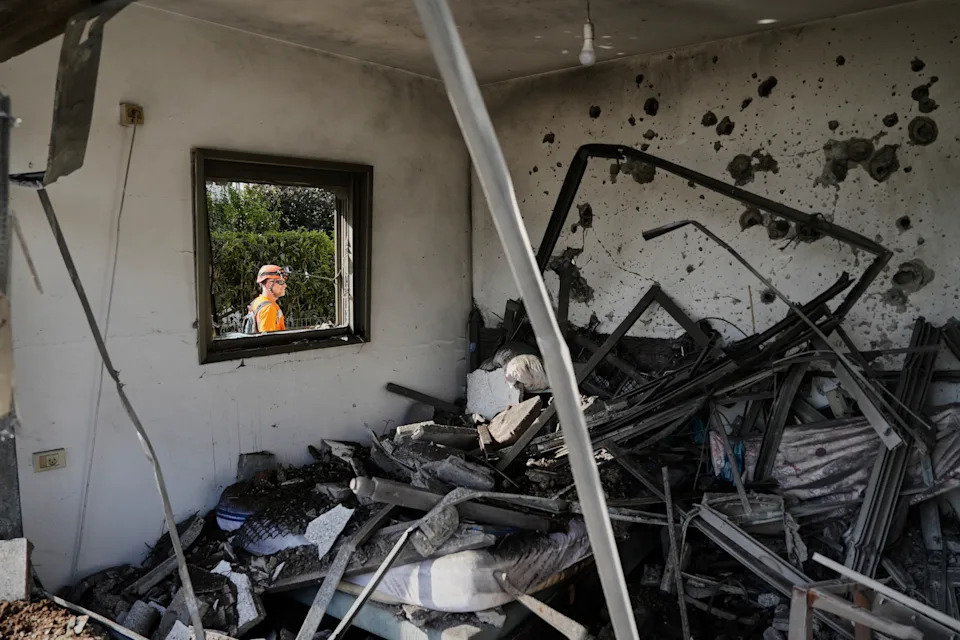
Israeli authorities inspect homes damaged by a projectile launched from Lebanon, in Haniel, central Israel, Thursday, March 12, 2026. (AP Photo/Baz Ratner)(ASSOCIATED PRESS)
Recent developments
Dubai: A missile alert sounded on mobile phones in Dubai as authorities said air defenses were engaging incoming Iranian fire. Thick black smoke was later seen over the skyline after a fire in an industrial area of Al Quoz. The Dubai Media Office said debris from a successful interception caused a minor incident on the façade of a building and reported no injuries.
Saudi Arabia: The Saudi Defense Ministry said its air defenses downed 10 drones early Friday headed toward the kingdom’s Eastern and Central provinces, raising the total to nearly 50 drones entering Saudi airspace over several hours. Targets reportedly included diplomatic posts, oil infrastructure and military sites hosting foreign forces.
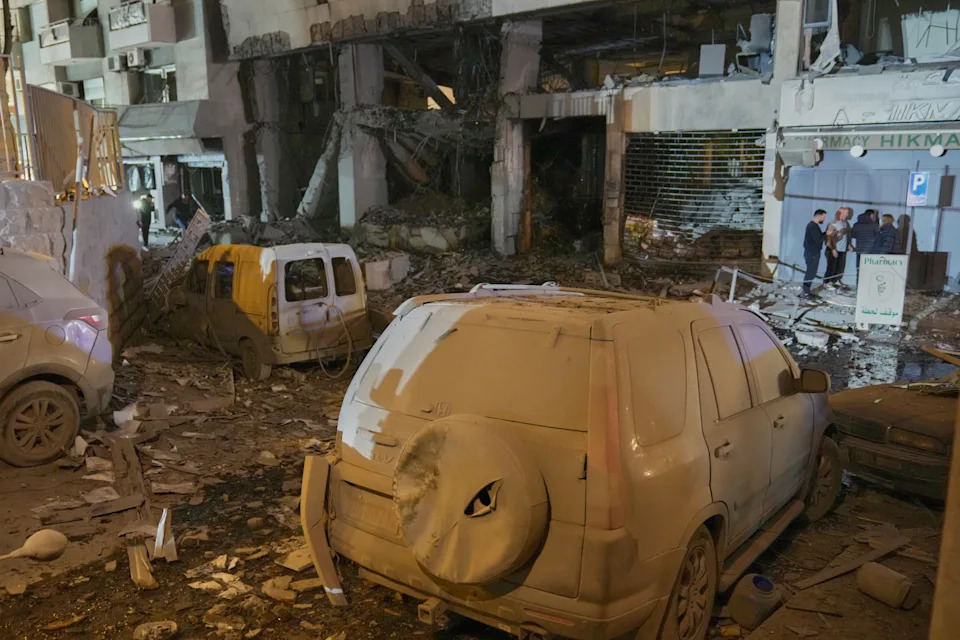
People inspect the site of a destroyed branch of Al-Qard Al-Hassan, a non-bank financial institution run by Hezbollah, which was hit by an Israeli airstrike in central Beirut, Thursday, March 12, 2026. (AP Photo/Hussein Malla)(ASSOCIATED PRESS)
Lebanon and Israel: In Beirut, an Israeli strike struck a car in the Jnah coastal neighborhood, killing one person, the Lebanese health ministry said. A separate strike hit an apartment in the Nabaa neighborhood of Beirut’s Burj Hammoud district and set it ablaze; no immediate casualty figures were reported. Israeli authorities said they had targeted a Hezbollah member in Beirut. These areas lie well north of the southern suburbs that Israeli forces have declared unsafe.
In northern Israel, the Magen David Adom ambulance service reported about 58 people injured in a missile attack on Zarzir, near the Lebanese border; most injuries were minor, mainly from glass shards.
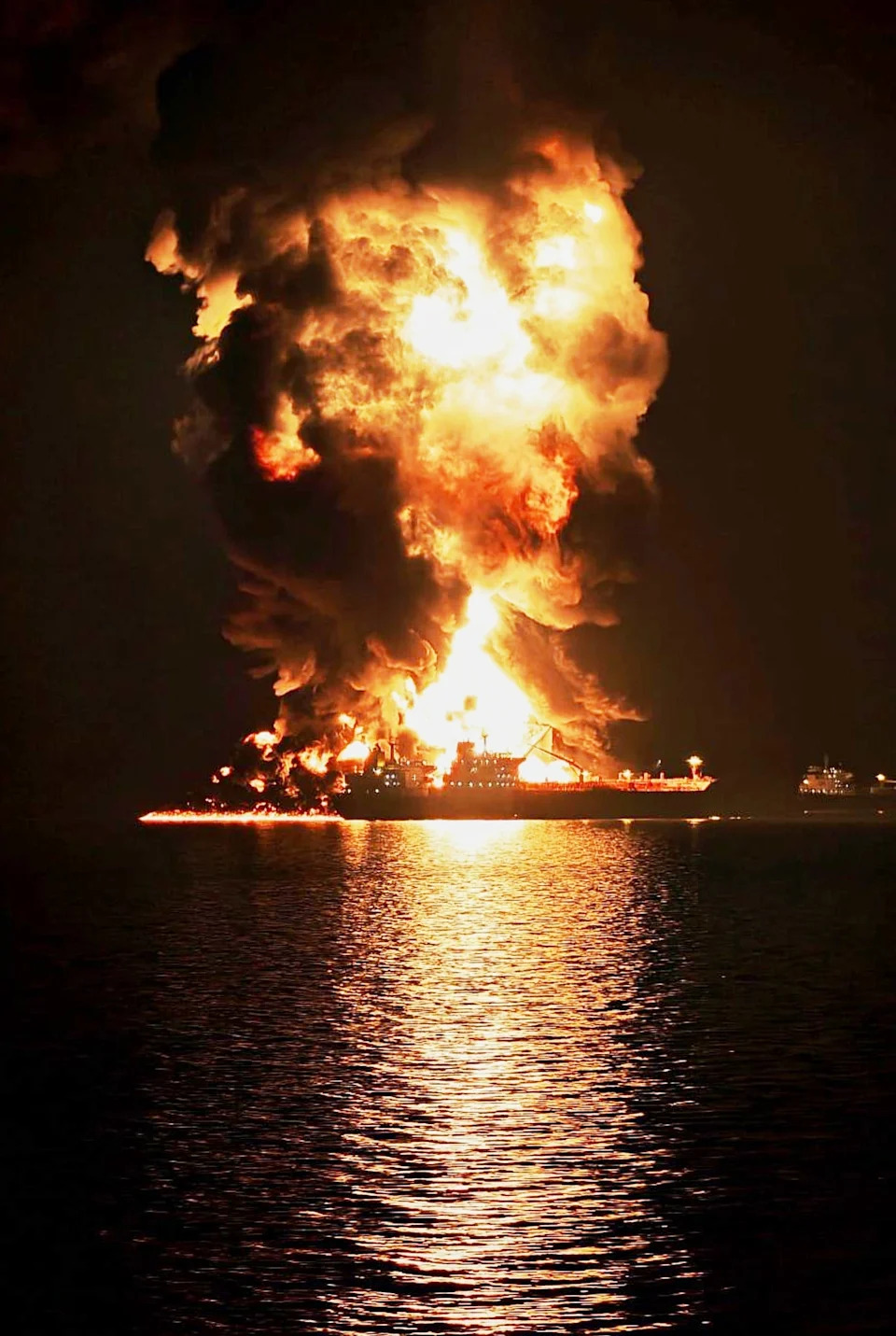
An oil tanker burns after being hit by an Iranian strike in the ship-to-ship transfer zone at Khor al-Zubair port near Basra, Iraq, late Wednesday, March 11, 2026. (AP Photo)(ASSOCIATED PRESS)
Hezbollah: The group said it fired several rocket salvos toward northern Israel and Israeli forces in southern Lebanon.
Iraq: French President Emmanuel Macron confirmed that an attack on Irbil in Iraq’s northern Kurdistan region killed a French soldier identified as Chief Warrant Officer Arnaud Frion of the 7th Battalion of Chasseurs Alpins. Macron said several other French soldiers were wounded. France reported six soldiers hurt in a separate drone attack in Irbil; French forces operate in Iraq as part of a multinational counterterrorism mission.
What to watch
The conflict shows signs of broadening, with maritime and energy infrastructure increasingly targeted and air defenses in multiple Gulf states active. Markets are responding: oil has surged back above $100 a barrel amid concerns about supply disruptions. Officials and aid agencies are warning of a growing humanitarian crisis as displacement and infrastructure damage mount.
Note on sourcing: This account synthesizes multiple field reports, official statements and social media posts. Some quotes from political leaders are inflammatory and reflect direct online postings rather than diplomatic statements.
Help us improve.





















