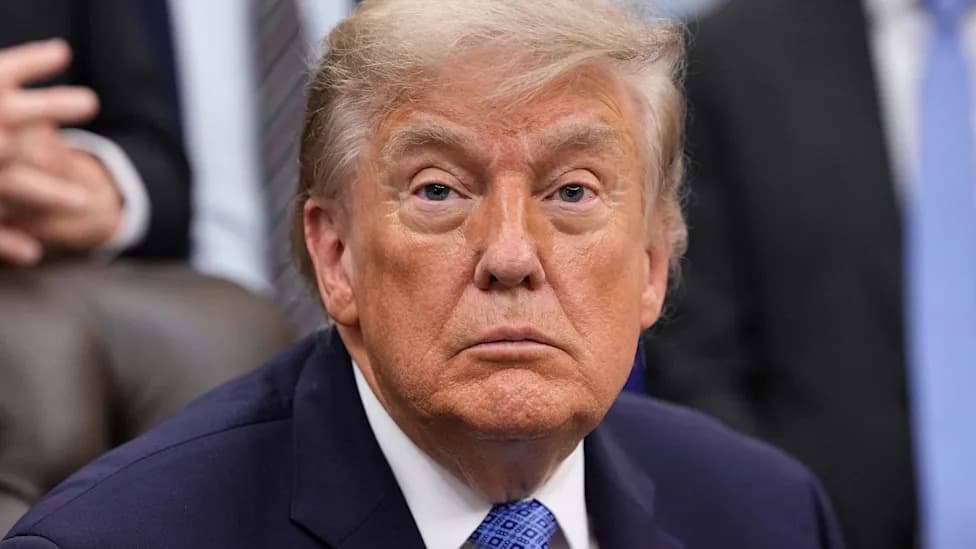
U.S. intelligence reports say Iran’s government is holding steady and is unlikely to collapse, contradicting Donald Trump’s public claims that the war was already won. Sources told Reuters the regime retains control despite reported deaths among senior leaders and the appointment of Mojtaba Khamenei as successor. The conflict has produced U.S. casualties — including six service members killed and dozens with serious injuries — and cost about $11.3 billion in the first week. Analysts also express doubts about the ability of allied Kurdish militias to topple the regime.
Intelligence Reports Undermine Trump’s Claims That the War Was ‘Won’
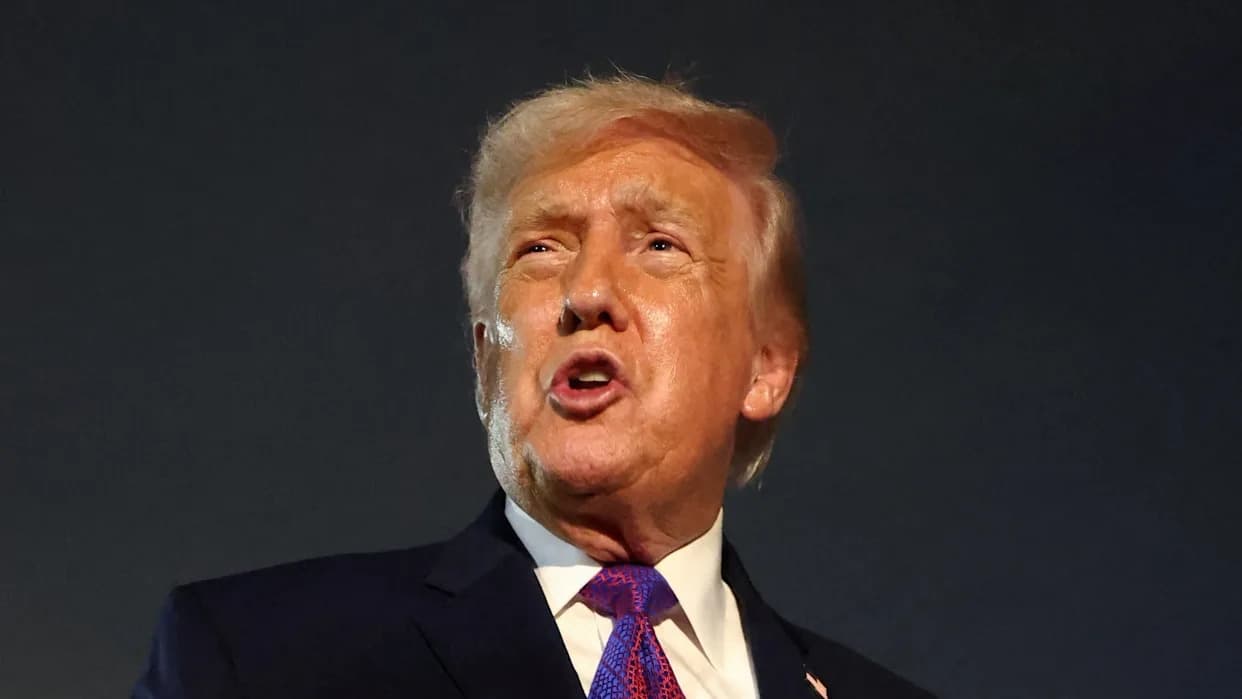
Kevin Lamarque / REUTERS(Kevin Lamarque)
U.S. intelligence assessments indicate that Iran’s government is not on the verge of collapse, a finding that directly contradicts former President Donald Trump’s repeated public claims that the war he launched had already been won.
Intelligence Picture
On the eleventh day of the conflict — during which Trump demanded Iran’s “unconditional surrender” — multiple U.S. intelligence reports concluded that Iran’s leadership remains largely intact and continues to exert control over the population, three sources familiar with the assessments told Reuters. One source said a “multitude” of reports, including a recent assessment completed within days, provided “consistent analysis that the regime is not in danger” of collapsing.
Leadership, Succession, And Public Control
According to the reporting, Ayatollah Ali Khamenei and dozens of senior military officials were reported killed on the first day of the war; his son, Mojtaba Khamenei, was named as successor and has shown no public indication of negotiating a surrender. Intelligence assessments cited by sources say the regime still retains the means to control the population and the levers of power.
Contradictory Public Messages
“We’ve already won in many ways,” Trump told Republican lawmakers at a retreat in Miami, while adding, “We haven’t won enough.” At other appearances he declared, “We’ve won, let me tell you, we’ve won,” but also warned against leaving too early and said forces must “finish the job.”
Those public assertions stand in contrast to the classified assessments cited by Reuters. The Office of the Director of National Intelligence and the Central Intelligence Agency declined to comment to Reuters. The Daily Beast and other outlets have sought comment from the White House and the Pentagon.
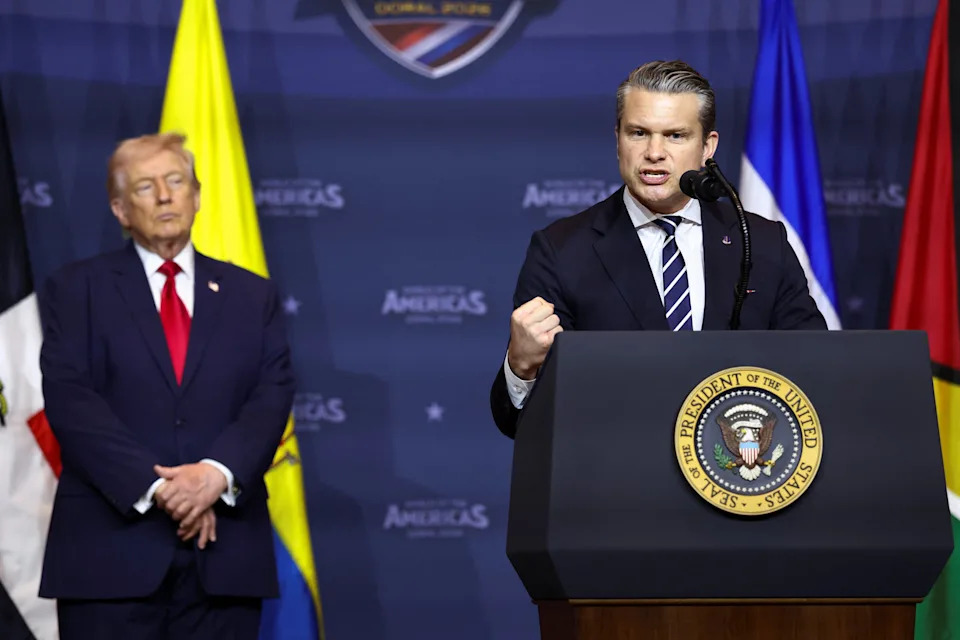
Hegseth said on Tuesday of the war effort: “It’s not protracted. We’re not allowing mission creep. The president has set a very specific mission to accomplish, and our job is to unrelentingly deliver that.
Human And Financial Costs
The conflict has produced mounting U.S. casualties and political pressure at home. One attack killed six U.S. service members and caused traumatic brain injuries, memory loss and other urgent health problems for dozens of survivors evacuated to Landstuhl Regional Medical Center in Germany, CBS News reported. The Pentagon told Congress the first week of the war cost about $11.3 billion.
A preliminary military inquiry found that one of the strikes during the opening days bombed an Iranian girls’ school, killing more than 175 people — most of them children. Trump initially blamed Iran for the attack, later walked back that claim and said he would accept whatever the report showed.
Operational Questions And Local Allies
U.S. forces have reportedly leaned on Iranian Kurdish militias based in Iraq as part of efforts to pressure Tehran. But U.S. intelligence analysts remain skeptical of those militias’ prospects, citing shortages of weapons and manpower and limited capacity to topple a centralized regime.
Implications
The divergence between public bragging about “victory” and classified intelligence assessments that the regime remains stable raises strategic and political questions about goals, exit strategies, and the risks of a protracted conflict if the U.S. and Israel continue their campaign. As U.S. casualties and costs rise, policymakers will face mounting pressure to clarify objectives and plan for the next phase.
Help us improve.