Key point: A preliminary Pentagon inquiry and independent reporting suggest a U.S. missile may have struck an Iranian girls' school, killing 175 people after outdated Defense Intelligence Agency targeting data misidentified the building as part of a nearby military complex. Analysis and video evidence indicate a precision strike coincided with attacks on an adjacent IRGC naval base. President Trump has at times blamed Iran, later said "I don't know," and the White House says he will accept the investigation's findings.
Preliminary U.S. Inquiry Suggests American Strike Hit Iranian Girls’ School; Trump Says "I Don't Know"
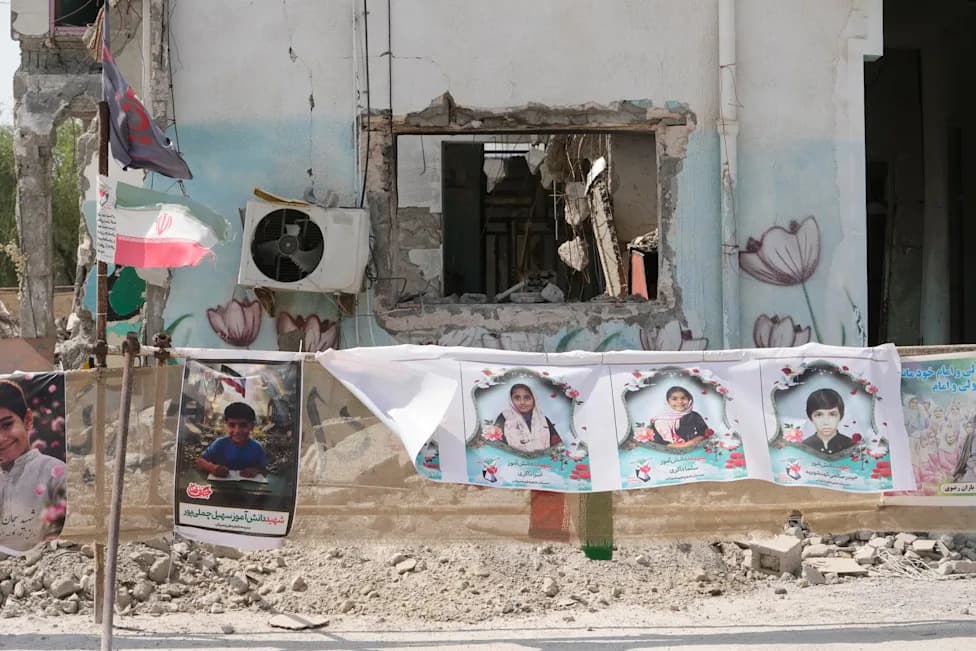
On the opening day of the U.S. campaign in Iran, a missile strike on an Iranian girls' school killed 175 people, many of them children. Multiple investigative reports have raised questions about the strike's origin and pointed to evidence that an American missile may have been responsible.
Reporting by Reuters cited U.S. military investigators who said they "believe it is likely that U.S. forces were responsible for" the deadly incident. That assessment aligns with a detailed analysis published by The New York Times, which found the school was "severely damaged by a precision strike that occurred at the same time as attacks on an adjacent naval base operated by the Islamic Revolutionary Guard Corps." The Times later reported that newly released video footage further supports the possibility that an American missile struck the elementary school.
Preliminary Pentagon Findings
A preliminary Pentagon inquiry, as reported by MS NOW and other outlets, concluded that U.S. forces may have struck the school after relying on outdated targeting information. According to these accounts, Defense Intelligence Agency data identified the structure as part of an adjacent Revolutionary Guard military complex, even though it had reportedly functioned as the Shajarah Tayyebeh elementary school for several years. That outdated intelligence was reportedly used by U.S. Central Command personnel when selecting targets for Tomahawk missile strikes.
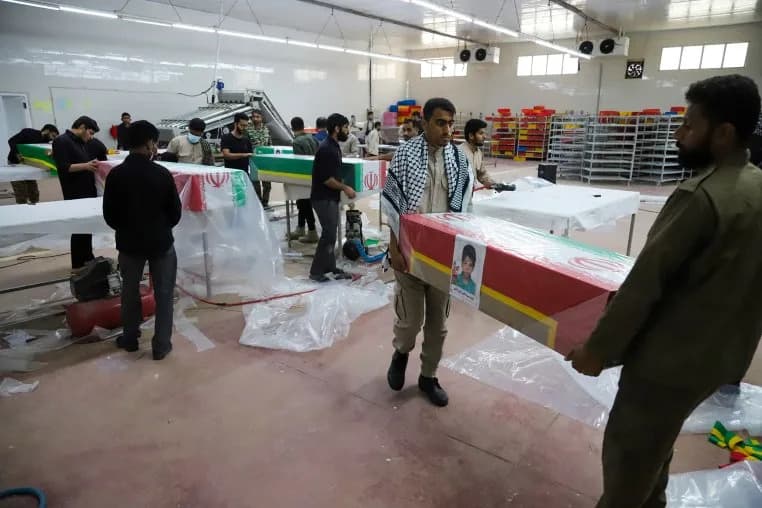
In this picture obtained from Iran’s ISNA news agency, mourners prepare the coffins of children who were killed in a reported strike on a primary school in Iran’s Hormozgan province for a funeral in Minab on March 3, 2026.(Amirhossein Khorgooei / ISNA / AFP via Getty Images)
Timing, Evidence and Implications
Investigators and independent analysts note that the damage pattern and timing—coinciding with strikes on an IRGC naval base nearby—are consistent with a precision missile impact. If the preliminary assessments are confirmed, the incident would rank among the most severe U.S.-caused civilian casualty events in a generation, given the reported death toll and the number of children killed.
Official Responses
When reporters asked President Donald Trump whether he would accept responsibility, he initially appeared not to hear the question and then said, "I don't know about it." In subsequent public remarks, Mr. Trump at times blamed Iran, saying, "In my opinion and based on what I've seen, that was done by Iran." At a press conference he also suggested Iran might have access to Tomahawk missiles—a claim that is not supported by publicly available evidence.
White House press secretary Karoline Leavitt later told reporters that Mr. Trump would accept the results of the U.S. investigation. That pledge will be closely watched as the probe's findings are compared with independent reporting, expert analysis and newly released video evidence.
Sources: Reuters, The New York Times, MS NOW, statements from Pentagon and White House officials.
This is a developing story. Reporting and investigations continue, and new information may emerge as U.S. and independent inquiries proceed.
Help us improve.