The Cuban knight anole, a large arboreal lizard native to Cuba, has spread beyond isolated South Florida yards into many urban and suburban areas. Landscaped neighborhoods provide trees, insects and warm microclimates—including an urban heat island effect—that help the species survive and move north. Researchers use field sightings, museum records, citizen science photos and ecological models to map the spread and assess risks to vulnerable natives such as the Florida tree snail and Schaus’ swallowtail. With eradication unlikely, monitoring, reporting and habitat protection are central to management.
Florida Neighborhoods Are Unwittingly Helping Cuban Knight Anoles Spread
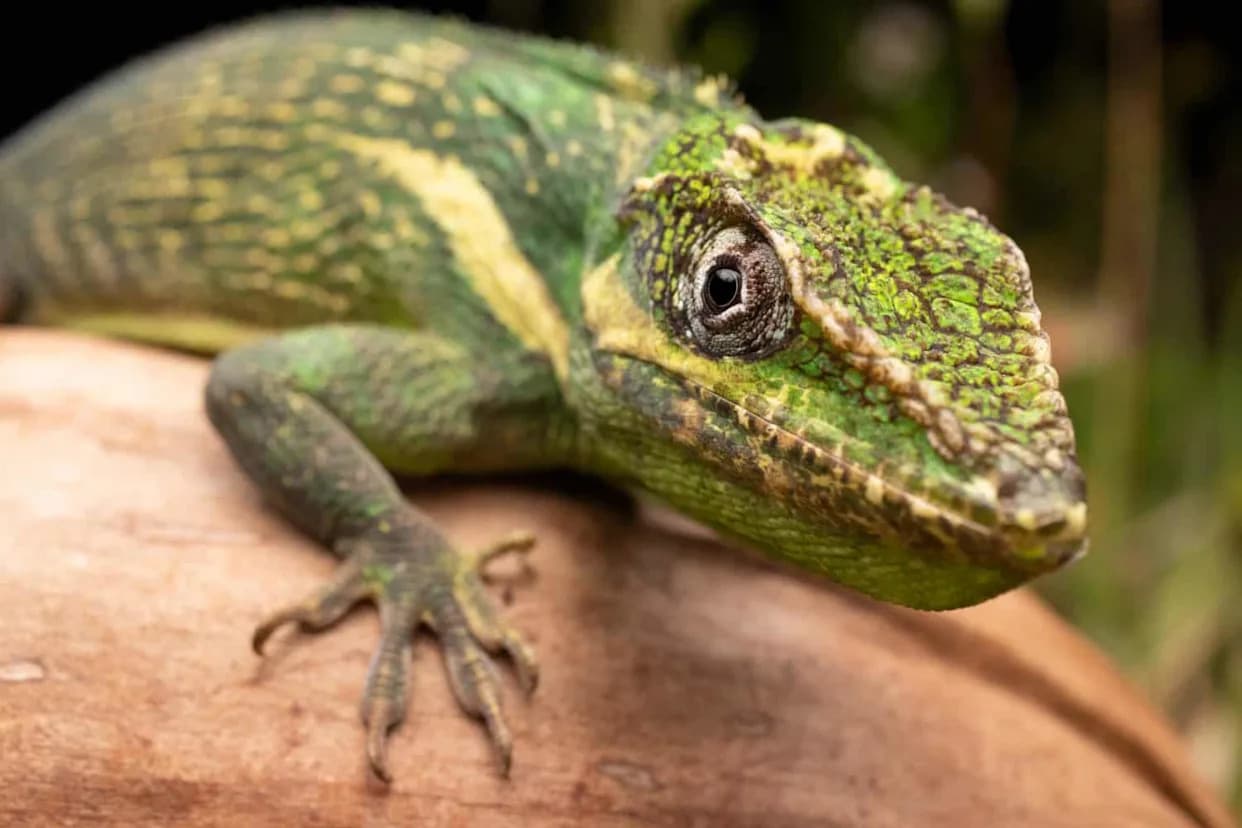
Cuban Knight Anole on Coconut© Ethan Ramirez Wildlife/Shutterstock.com
Bright green lizards clinging to tree trunks in neighborhoods across South Florida are Cuban knight anoles, a large arboreal species native to Cuba. Once confined to a few yards decades ago, these lizards are now reported across a much wider portion of the state. Researchers say streets, gardens and landscaped yards are creating the warm, prey-rich microhabitats that allow the species to expand northward.
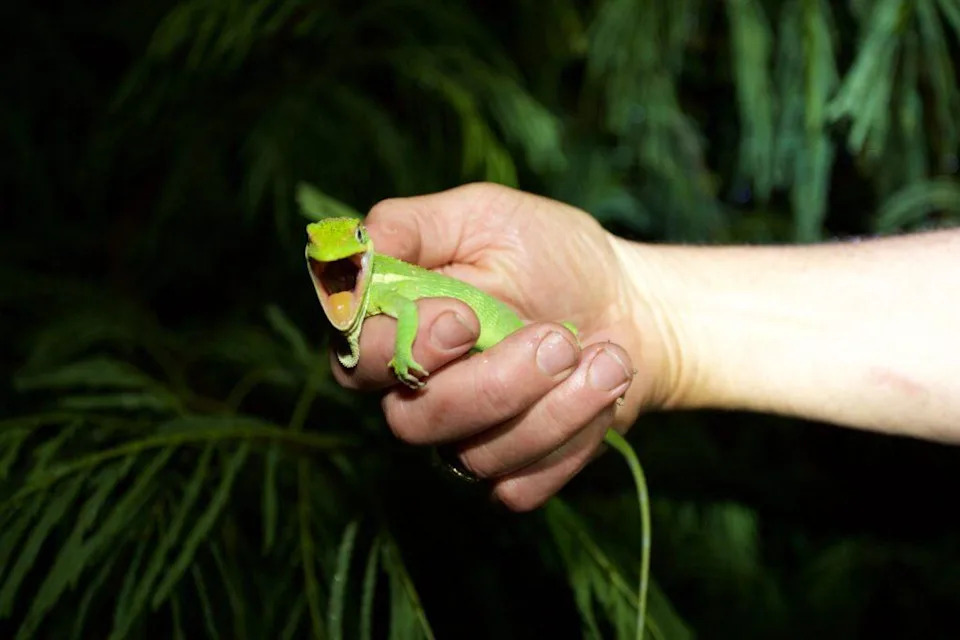
Full-grown, Cuban knight anoles reach about 18 inches long.©Fine Art Photos/Shutterstock.com(Fine Art Photos/Shutterstock.com)
What the Knight Anole Looks Like
Adult Cuban knight anoles are noticeably large compared with many Florida anoles, commonly measuring 13–18 inches from nose to tail. Their vivid green color and a pale stripe along the face and shoulder help them blend into foliage; an angular head shape contributed to the name “knight.” These primarily arboreal lizards spend most of their time perched on trunks and branches, watching for prey.
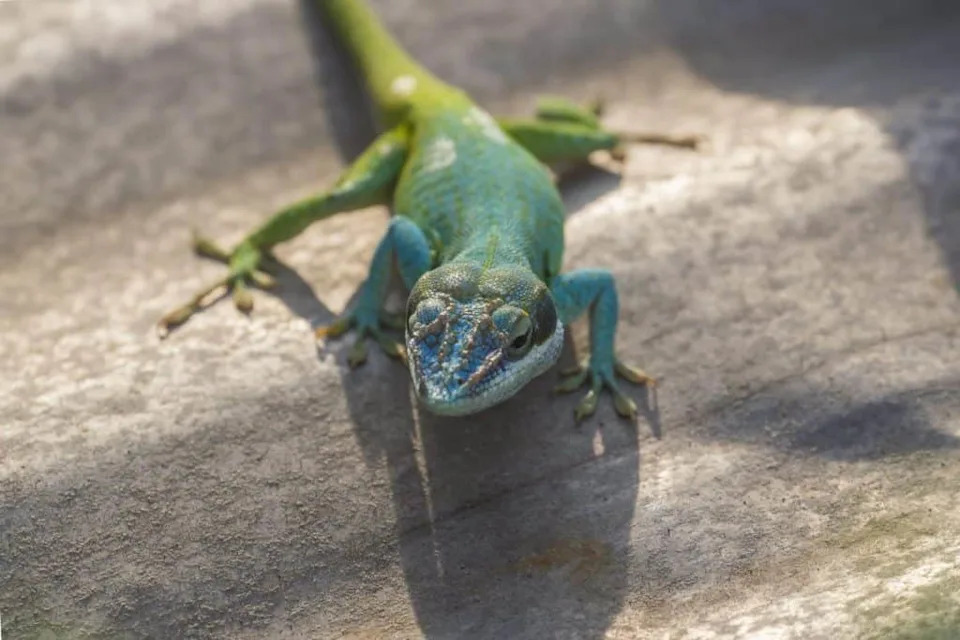
These lizards thrive in areas of human development.©Wirestock Creators/Shutterstock.com(Wirestock Creators/Shutterstock.com)
How They Arrived and Where They Are Now
Biologists believe knight anoles reached Florida through the 20th-century reptile trade, with some individuals escaping captivity or being intentionally released. Historical records place early Florida populations in the 1950s. Since then, sightings have increased in Miami-Dade and Broward counties, and reports now extend into the Florida Keys, parts of Central Florida and along the Space Coast and Gulf Coast. Field observations, museum records and online photographs have helped map this steady expansion.
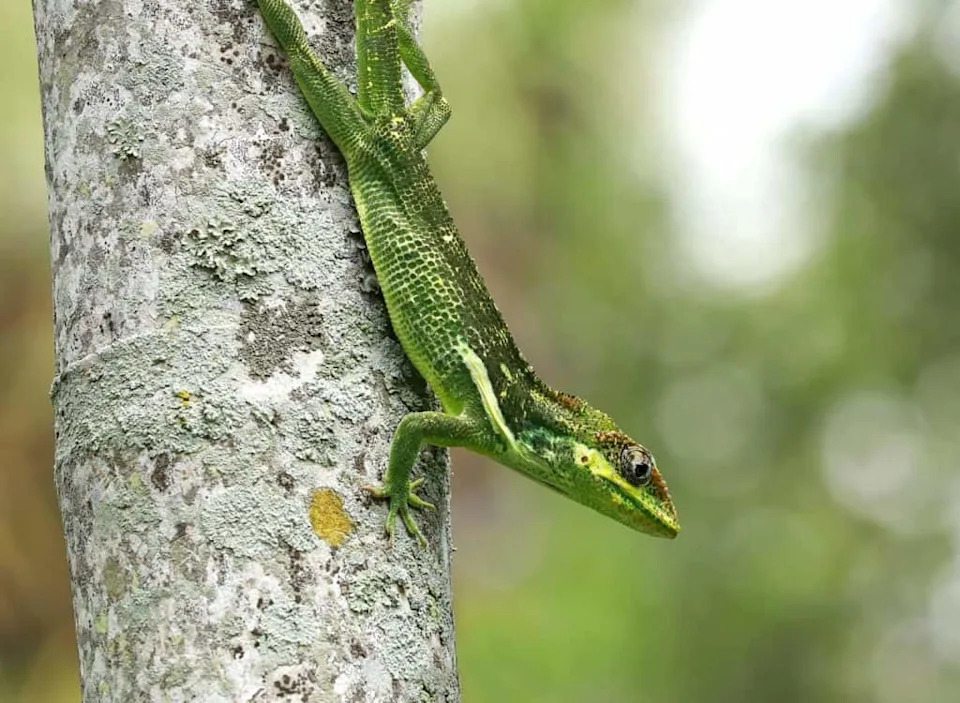
Cuban knight anoles are excellent climbers.©Jillian Cain Photography/Shutterstock.com(Jillian Cain Photography/Shutterstock.com)
Why Urban and Suburban Areas Help Them Thrive
Although cities differ from natural forests, urban and suburban landscapes supply many resources knight anoles need. Tall trees, fences and utility poles provide vertical perches; garden plants and outdoor lights attract insects; and paved surfaces and buildings offer warm basking spots. Researchers find that in Florida, human development is the strongest predictor of knight anole presence—strong evidence that towns create favorable conditions, including reduced predator numbers and plentiful prey.
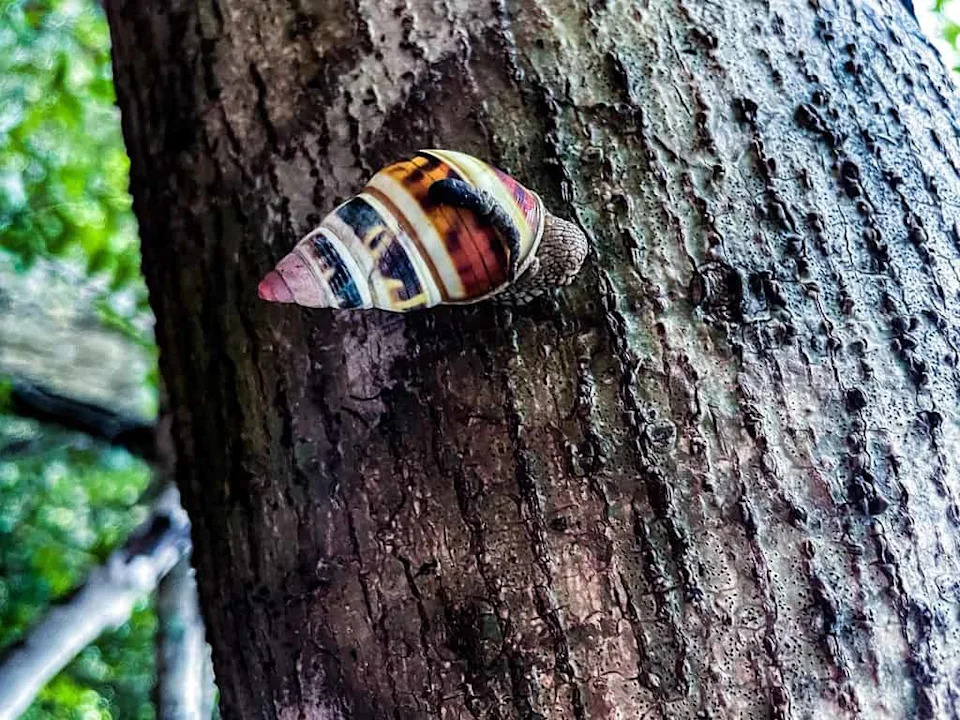
The Florida tree snail is a protected species in the state.©jaimie tuchman/Shutterstock.com(jaimie tuchman/Shutterstock.com)
Thermal Advantage: The Urban Heat Island Effect
Urban areas often remain warmer than surrounding countryside because concrete and asphalt absorb heat during the day and release it at night. These mild thermal gains extend periods of reptile activity and help tropical species tolerate cooler seasons, enabling knight anoles to survive farther north than they otherwise might.
Diet and Ecological Concerns
Knight anoles have a broad diet that includes insects (beetles, moths, cockroaches), snails, small reptiles, fruit and nectar. They have even been observed eating invasive Cuban tree frogs. While this might reduce one invasive species, it also highlights the anole’s ability to prey on native arboreal animals. Species of concern that may overlap with anole habitat include the state-protected Florida tree snail, Schaus’ swallowtail caterpillars, and the Florida tiger beetle. Models show habitat overlap with these vulnerable species, raising concerns that additional predation could exacerbate existing threats.
Tracking, Management, and What Residents Can Do
Complete eradication of knight anoles across South Florida is unrealistic. Instead, scientists focus on mapping occurrences, monitoring ecological effects and improving predictive models. Citizen science is critical: homeowner photographs and reports provide valuable distribution data. Wildlife agencies encourage the public to report sightings, practice responsible pet ownership, and avoid releasing non-native animals into the wild. Protecting intact natural habitats also helps native species better withstand added pressure from introduced predators.
Outlook
As coastal urban growth continues and winters trend warmer, suitable habitat for knight anoles may expand northward. Continued research into diet, behavior and habitat preferences, together with early detection and public awareness, will be essential for managing ecological risks and minimizing impacts on vulnerable native species.
Note: If you see an unusual lizard in Florida, photograph it and report the sighting to local wildlife authorities or a citizen science platform to help researchers track range changes.
Help us improve.