Jeanine Pirro, the U.S. attorney in Washington, abandoned an attempt to indict Joe Biden over his use of an autopen after prosecutors found no viable criminal theory. Investigators struggled to identify a clear crime or to determine whether liability fell on Biden or his aides, especially in light of a 2024 Supreme Court ruling granting presidents broad immunity for official acts. The probe was never presented to a grand jury and follows other high-profile setbacks from Pirro's office, raising concerns about politically motivated investigations despite protections from legal standards.
Pirro’s Failed Autopen Probe Into Biden Underscores Limits Of Politically Driven Prosecutions
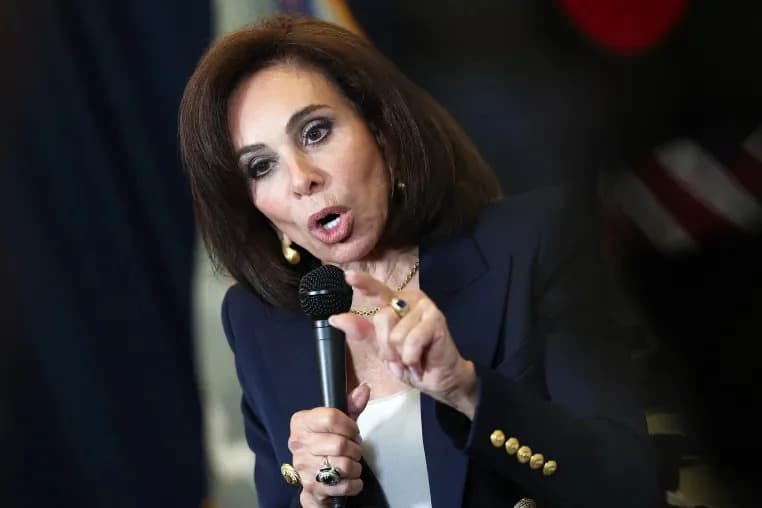
Jeanine Pirro’s failure to indict Biden speaks to something bigger
Washington's U.S. Attorney's Office has had a rocky start to the year after Jeanine Pirro, the former Fox News host now serving as the district's top federal prosecutor, abandoned an effort to bring charges against former President Joe Biden over his use of an autopen to sign executive actions. Prosecutors concluded the investigation lacked a viable criminal theory and declined to present the matter to a grand jury.
The autopen inquiry was the latest of several high-profile probes initiated under Pirro that have since stalled. Investigators reportedly struggled to identify what law, if any, the autopen use might have broken and whether potential liability resided with Biden himself or with his aides.
Biden said last year: "Let me be clear: I made the decisions during my presidency."
Complicating matters was a 2024 Supreme Court ruling that affords broad immunity to presidents for many official acts, which narrowed the legal pathways for charging a sitting or former president for actions tied to official duties. In the end, sources told reporters that prosecutors determined there was no credible criminal case to present.
Other High-Profile Misfires
That outcome followed other setbacks from Pirro's office. Prosecutors failed to persuade a grand jury to indict six Democratic members of Congress on seditious conspiracy charges related to a video urging service members to refuse unlawful orders. Separately, an inquiry into Federal Reserve Chair Jerome Powell over building renovations — approved by Pirro — became public after a subpoena prompted Powell to speak out.
Why It Matters
These developments illustrate two competing truths: the justice system's evidentiary standards can act as a check on politically motivated investigations, but the mere initiation of such probes by a politically aligned U.S. attorney raises concerns about the politicization of prosecutorial power. Pirro's inability to secure indictments does not erase that the investigations were launched — and observers expect similar politically charged inquiries may continue.
For now, the stalled autopen probe is a reminder that even in a Justice Department more closely aligned with the White House, legal constraints and institutional norms still limit the path to prosecution.
Help us improve.