
The Middle East conflict intensified with cross-border attacks, evacuations and rising civilian casualties. Sri Lanka evacuated 208 crew from an Iranian vessel after an incident involving another frigate, while Lebanon reported 102 deaths and 638 wounded from recent strikes. Oil prices surged as markets weighed supply risks, Abu Dhabi reported explosions, and international ministers urged Iran to stop what they called indiscriminate attacks.
Middle East Conflict Escalates: Attacks, Evacuations and Market Shock
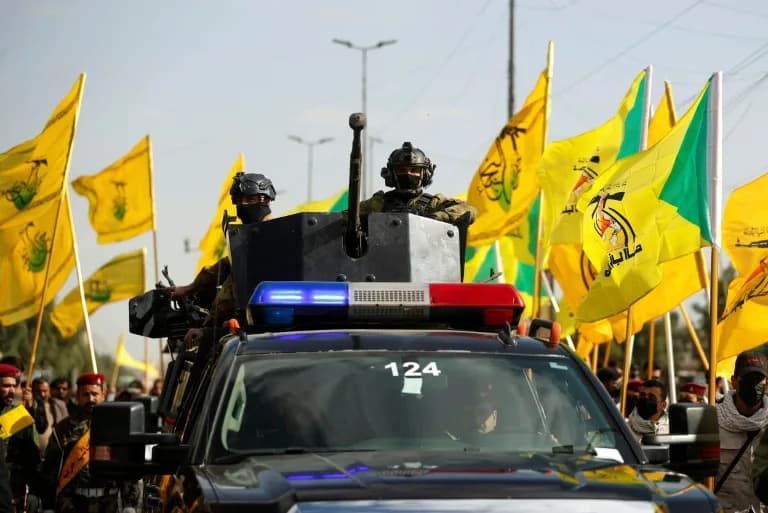
Iraqi security forces joined a funeral procession for pro-Iran militants killed in a strike on Baghdad (AHMAD AL-RUBAYE)(AHMAD AL-RUBAYE/AFP/AFP)
Below are the main recent developments in the widening Middle East conflict, compiled from official statements and witness reports.
Latest Developments
Trump Comments on Iran Succession: US President Donald Trump told Axios he believes the United States should have a role in discussions about who might succeed Iran's supreme leader, and he described a reported potential successor in dismissive terms. In the interview he compared the situation to disputes over leadership in other countries, saying the U.S. has previously engaged in regional political shifts.
Sri Lanka Evacuates Iranian Crew: Sri Lankan President Anura Kumara Dissanayake said his country evacuated 208 crew members from an Iranian navy vessel a day after, he said, a US submarine struck and sank another Iranian frigate. He added Sri Lanka's navy will take charge of the second vessel and move it to the northeastern port of Trincomalee for safety amid concerns it could be targeted.
Tehran Denies Riyadh Embassy Attack: Iran's ambassador to Saudi Arabia, Alireza Enayati, told AFP that Iran had no role in a drone attack that Saudi authorities said targeted the US embassy in Riyadh. Enayati said Tehran typically claims responsibility when it conducts operations and thanked Saudi Arabia for assuring it would not allow its territory to be used during the conflict.
Rising Toll In Lebanon: The Lebanese Health Ministry said the death toll from Israeli strikes in Lebanon has risen to 102 since the country was drawn into broader hostilities earlier this week, with 638 wounded, according to the ministry.
Oil Prices Jump: The benchmark US oil contract, West Texas Intermediate (WTI), rose more than 5% to $78.88 per barrel — its highest since January last year — on concerns the conflict could disrupt supplies. Brent crude climbed about 3.6% to $84.34 per barrel.
Explosions Reported In Abu Dhabi: Residents in Abu Dhabi reported hearing a series of loud blasts as UAE authorities said air defences were responding to a missile threat. The National Emergency Crisis and Disaster Management Authority said air defence systems were responding and residents described heavy explosions.
Communications Restrictions In Iran: Witnesses told AFP that Iranian authorities issued warnings to people attempting to access the internet amid a communications blackout that has left large parts of the country largely cut off from the outside world.
Warnings About Southern Beirut: Israel's Finance Minister Bezalel Smotrich, a member of the country's far right, warned that Dahiyeh, a southern Beirut suburb and Hezbollah stronghold, could face devastation similar to parts of Gaza after the Israeli military ordered evacuations. Smotrich said Hezbollah would "pay a heavy price" for its actions.
Iran Reports Cross-Border Strikes: Iran's armed forces said they launched a drone attack on a US facility in Erbil (Iraqi Kurdistan) after reporting strikes on Kurdish force headquarters. The Islamic Revolutionary Guard Corps also said missiles were launched toward Israel's Ben Gurion airport and a nearby air base.
Azerbaijan Drone Incident: Iran's foreign minister accused Israel of carrying out a drone strike in Azerbaijan that had been blamed on Iran, saying the attack sought to damage Tehran's relations with Baku. Four people were wounded in a strike in the Nakhichevan exclave.
Maritime Disruption: The UN International Maritime Organization told AFP that roughly 20,000 seafarers and 15,000 cruise passengers are currently affected by restrictions and disruptions in the Gulf due to the hostilities.
International Appeals: European Union and Gulf ministers urged Iran to immediately stop what they called "indiscriminate" attacks on Gulf countries, warning such strikes threaten wider international security.
Note on Sources: This report compiles statements from government and military officials and witness accounts; some details remain fluid and subject to verification.
Help us improve.





















