The US and Israeli strikes on Iran — which reportedly killed senior leaders and hundreds of civilians — are widely judged by legal experts to likely breach the UN Charter’s prohibition on the use of force. UN special rapporteur Ben Saul and academics say the attacks do not meet narrow exceptions such as Security Council authorisation or imminent self‑defence. Reports of heavy civilian casualties, including at least 165 deaths at a girls' school in Minab, raise additional international humanitarian law concerns. Observers warn this escalation reflects a broader erosion of constraints on unilateral military action.
Do US‑Israeli Strikes on Iran Violate International Law? Experts Say Likely Yes
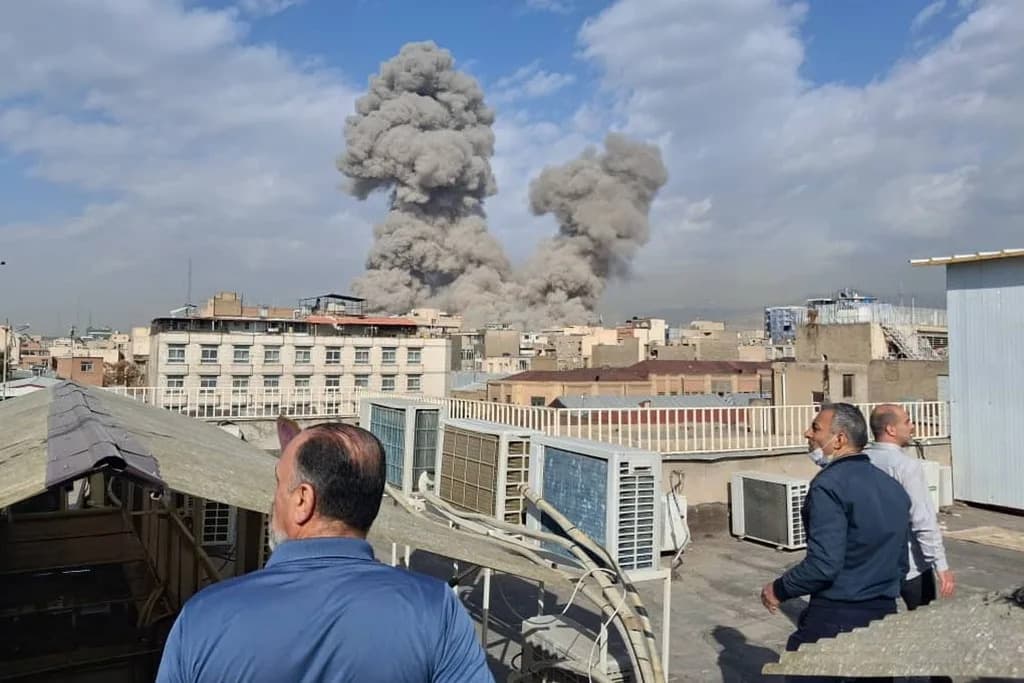
People watch as smoke rises on the skyline after an explosion in Tehran, Iran, February 28 [File: AP Photo]
US and Israeli military strikes on Iran — actions that have ignited a wider regional war — are widely judged by legal experts to likely breach the United Nations Charter’s prohibition on the use of force and to lack a clear legal justification.
Legal Assessment
Ben Saul, the UN special rapporteur on the promotion of human rights and "counterterrorism," told Al Jazeera:
"This is not lawful self-defence against an armed attack by Iran, and the UN Security Council has not authorised it."Saul warned that measures framed as preventive disarmament, counterterrorism or regime change can amount to the international crime of aggression and urged states to condemn what he described as lawlessness undermining the international legal order.
The Trump administration did not seek authorisation from the UN Security Council or formal approval from the US Congress before launching the campaign. Experts note that Iran had not launched an armed attack against the United States or Israel immediately before the strikes, which, according to reports, killed Iran's Supreme Leader Ali Khamenei, several senior officials and, by official counts and local sources, hundreds of civilians.
Self‑Defence, Imminence and Pre‑Emption
International law permits the use of force only in very narrow situations: when authorised by the UN Security Council or in self‑defence against an actual armed attack. Rebecca Ingber, a professor at Cardozo School of Law, described the prohibition on the use of force as a "bedrock" principle of international law with only limited exceptions.
Yusra Suedi, assistant professor of international law at the University of Manchester, stressed that a lawful exercise of self‑defence requires a genuine, imminent threat.
"Imminence in international law is really understood to be something that is instant, overwhelming and that leaves no realistic alternative but to act first,"she told Al Jazeera, adding that the strikes appear to have been pre‑emptive rather than responses to an immediate attack and therefore fail the legal test for self‑defence.
Humanitarian Law and Civilian Harm
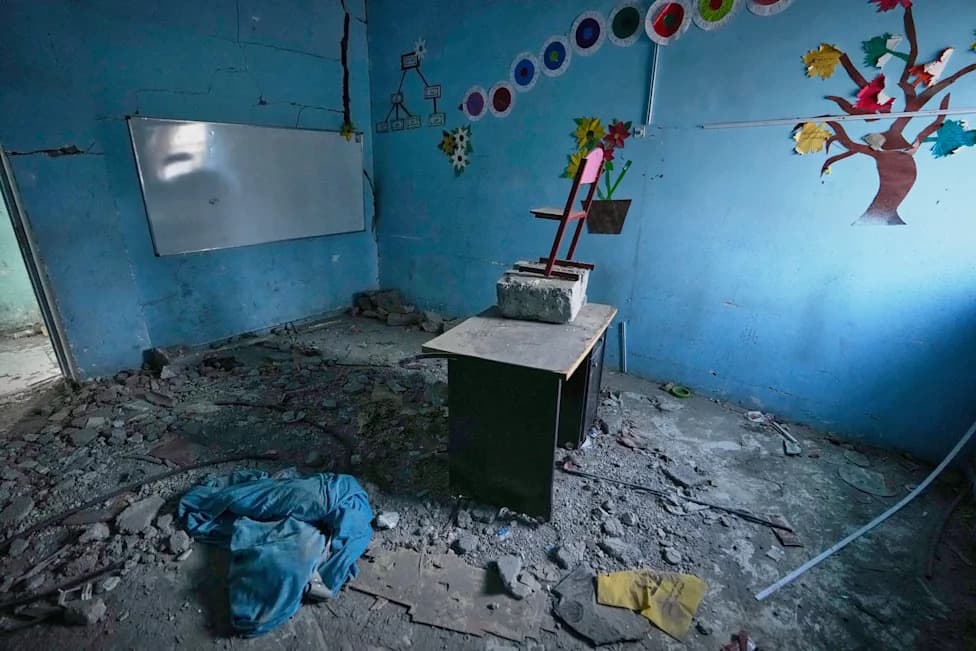
Beyond questions of aggression, the strikes raise serious international humanitarian law concerns intended to protect civilians in conflict. Local officials reported that an attack on a girls' school in the southern Iranian city of Minab killed at least 165 people. Annie Shiel, US director at the Center for Civilians in Conflict (CIVIC), warned that "these strikes risk igniting a wider regional catastrophe," citing alarming reports of attacks on schools and critical civilian infrastructure across the region.
Responses and Wider Pattern
Observers and analysts have described the US rationales as inconsistent. Brian Finucane, senior adviser for the US programme at the International Crisis Group, said:
"The rationales have been scattershot... Certainly none of them amount to a serious international legal argument."
The strikes are also viewed in the context of a broader pattern of unilateral uses of force by powerful states in recent years. Critics argue this trend has eroded constraints on military action and contributed to a perceived impunity that weakens the international legal framework established after World War II.
Escalation and Retaliation
In response to the US‑led strikes, Iran reportedly launched missiles and drones at military bases and civilian targets across the region, including airports, hotels and energy facilities. Suedi cautioned that once hostilities began, the laws of armed conflict applied and prohibited deliberate attacks on civilian objects — and she suggested Iran’s reprisals appear to have breached those legal limits as well.
Conclusion
Legal scholars quoted in this analysis conclude that the strikes likely violated the UN Charter’s ban on the use of force and failed to meet narrow exceptions such as imminent self‑defence or Security Council authorisation. The high civilian toll and attacks on schools and infrastructure intensify concerns that international humanitarian law has been breached, while the broader pattern of unilateral military action by powerful states risks further weakening global legal norms.
Help us improve.