
Senior US officials told Congress they struck Iran pre-emptively because they judged an Israeli attack was imminent and that Iran would likely retaliate against American forces, Senator Marco Rubio said after a classified briefing. The session, attended by senior US intelligence and defense officials, exposed a partisan split: Republicans largely defended the action while Democrats criticized the decision as lacking a clear strategy. Reports of casualties and high-level deaths remain disputed and difficult to verify. The House may consider a war powers resolution to limit the president's authority, but its passage is uncertain.
US Officials Say Pre-emptive Strikes Launched After Israel Planned Attack, Rubio Says
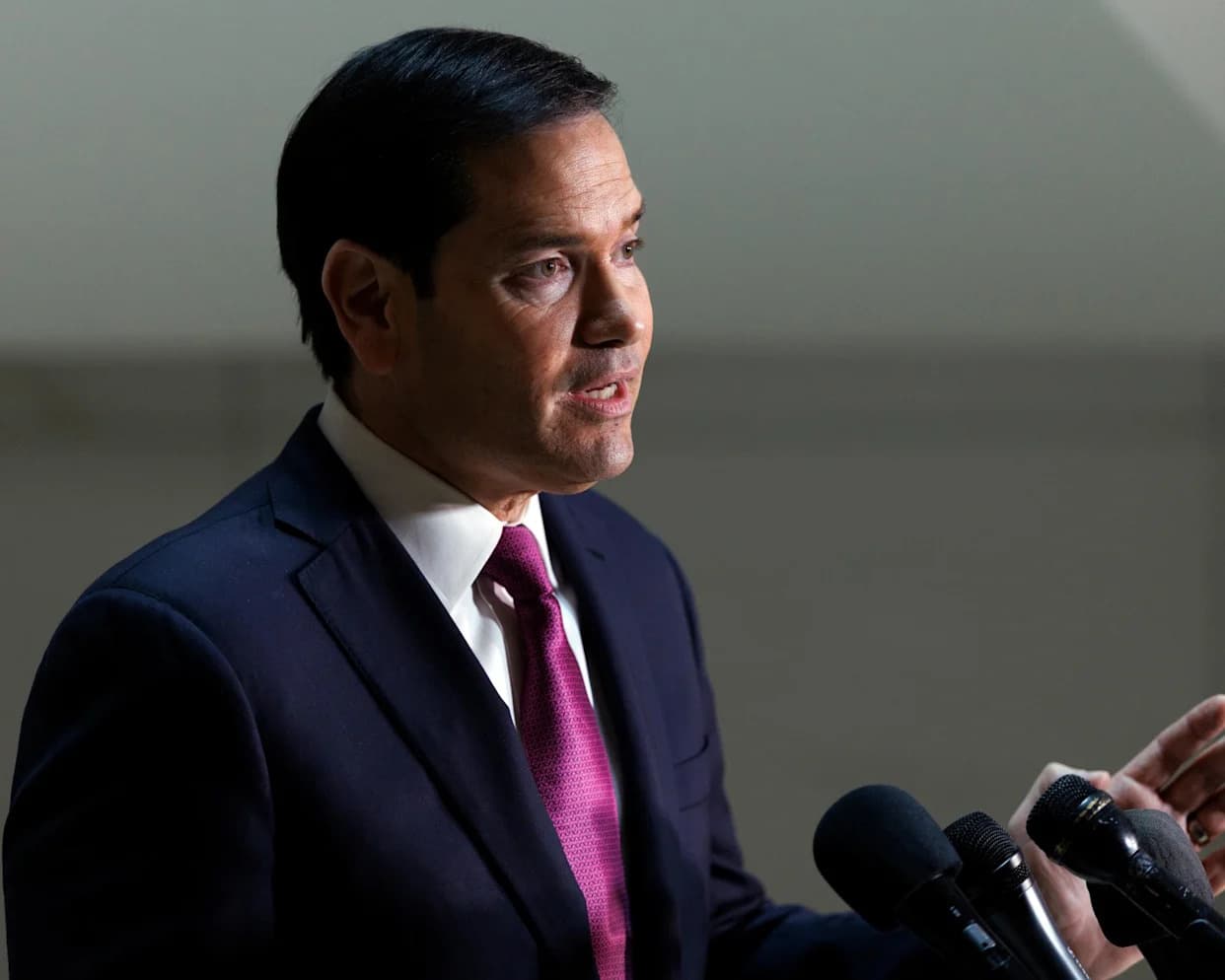
Marco Rubio speaks to the press after the classified briefing on Monday.Photograph: Will Oliver/EPA(Photograph: Will Oliver/EPA)
Senior US officials told lawmakers that the Trump administration launched pre-emptive strikes on Iran because they assessed an Israeli attack was imminent and that Tehran would likely retaliate against American forces, Senator Marco Rubio said after a classified briefing.
The briefing — attended by Rubio, CIA Director John Ratcliffe and senior Pentagon leaders including the chairman of the Joint Chiefs of Staff — was the first the administration provided to top lawmakers since the air campaign began over the weekend. Lawmakers who attended described sharply divided reactions along party lines.
"It was abundantly clear that if Iran came under attack by anyone — the United States or Israel or anyone — they were going to respond, and respond against the United States," Rubio told reporters. "We knew there was going to be an Israeli action. We knew that would precipitate an attack against American forces, and we believed a pre-emptive approach would reduce casualties."
Senator J.D. Vance, speaking in a television interview, reiterated one stated US objective: preventing Iran from acquiring a nuclear weapon. Administration messaging has emphasized multiple aims, from degrading Iran's ballistic missile and naval capabilities to disrupting its support for proxy groups across the region.
Casualties, Claims and Verification
Since the escalation, the United States and Israel have reported a series of airstrikes across Iranian territory; Tehran has responded with missile and drone strikes against US-aligned targets in the region. Reports about casualties and specific high-level deaths have been contradictory and remain difficult to verify independently. US officials have acknowledged American service members were killed in the wider confrontation; Iranian and other regional sources have reported larger numbers of Iranian casualties, but figures vary by source.
Capitol Hill Response
Reaction to the administration's explanation split largely along party lines. Republican leaders defended the strikes as necessary and defensive, while Democrats criticized the decision as a "war of choice" lacking a clear strategy or endgame.
"This is Trump’s war. This is a war of choice. He has no strategy, he has no endgame," Senate Democratic leader Chuck Schumer said before the briefing, and later called the officials' answers "completely and totally insufficient."
Senator Mark Warner, vice-chair of the Senate Intelligence Committee, warned of the implications of equating an Israeli threat with an imminent threat to the United States and called for clearer objectives and an exit plan from the president.
Israeli Remarks And Tehran's Position
Israeli Prime Minister Benjamin Netanyahu told media that Iran had been developing new underground facilities that would make some programs harder to target, arguing immediate action was necessary. Iran continues to deny it is seeking a nuclear weapon.
Congressional Oversight And Next Steps
White House officials say members of the Gang of Eight were notified before strikes began, but the administration did not seek wider congressional authorization in advance. The House is expected to consider a war powers resolution that could, if enacted, require the president to end hostilities — though passage faces steep political hurdles and any resolution could be vetoed by the president.
Lawmakers on both sides pressed for clearer statements on the administration's principal objective, measures of success and an exit strategy if the campaign spurs domestic unrest inside Iran. The briefing left many questions unresolved, and Capitol Hill observers expect further classified and public updates in the days ahead.
Help us improve.





















