Operation Epic Fury marks a sharp escalation after combined US–Israeli strikes reportedly struck many targets inside Iran. Early estimates place first-day combat costs near $779M with a pre-strike build-up of roughly $630M, while total US spending linked to the wider conflict is estimated at $31.35–$33.77B. Experts say the financial burden is likely sustainable in the short term, but depletion of interceptors and other inventory shortages — not budget limits — may constrain prolonged operations.
Operation Epic Fury: How Much Could a War With Iran Cost the US?
INTERACTIVE_THAAD_GAZA_ISRAEL_IRAN_MISSILE_INTERCEPTOR_FEB25, 2026-1772104791
The long-running US–Iran confrontation escalated when combined US and Israeli strikes reportedly hit targets inside Iran in an operation the Pentagon identified as Operation Epic Fury. US President Donald Trump confirmed US participation on February 28, calling it a “major combat operation” and saying the aim was to prevent Iran from obtaining a nuclear weapon.
What Happened
According to US military statements, CENTCOM and media reports, the campaign used air strikes, sea-launched cruise missiles and coordinated attacks on nuclear-related sites and senior figures linked to Iran’s defence apparatus. CENTCOM said it had struck more than 1,000 targets and destroyed 11 Iranian ships. Reports from the Iranian Red Crescent put the toll at hundreds dead across many locations; those figures vary by source.
Leadership and Casualty Reports
Some accounts reported that Iran’s Supreme Leader, Ayatollah Ali Khamenei, was killed when his Tehran compound was struck. These reports remain highly sensitive and, where possible, are described here as reported or unverified pending independent confirmation.
Military Scale and Systems Employed
CENTCOM said the mission involved more than 20 weapons systems across air, sea, land and missile-defence domains. Reported US platforms and systems include:
- B-1 and B-2 bombers (B-2 used against key infrastructure)
- Stealth fighters: F-35 Lightning II and F-22 Raptor
- F-15, F-16 and F/A-18 combat aircraft (three F-15s were reported lost in an incident)
- EA-18G Growlers and AWACS for electronic warfare and command-and-control
- MQ-9 Reaper and LUCAS one-way attack drones
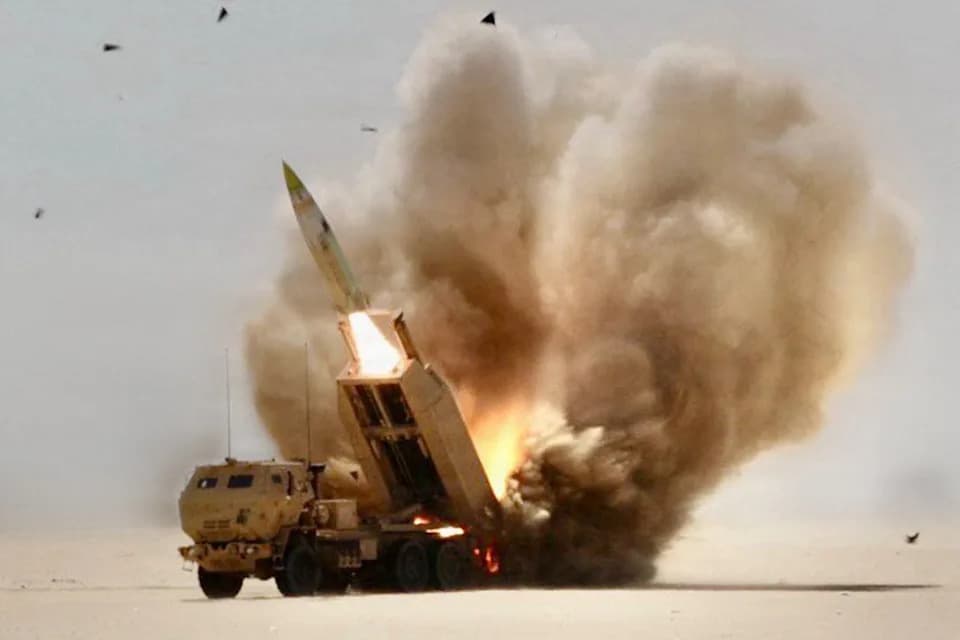
- HIMARS rocket artillery and Tomahawk cruise missiles
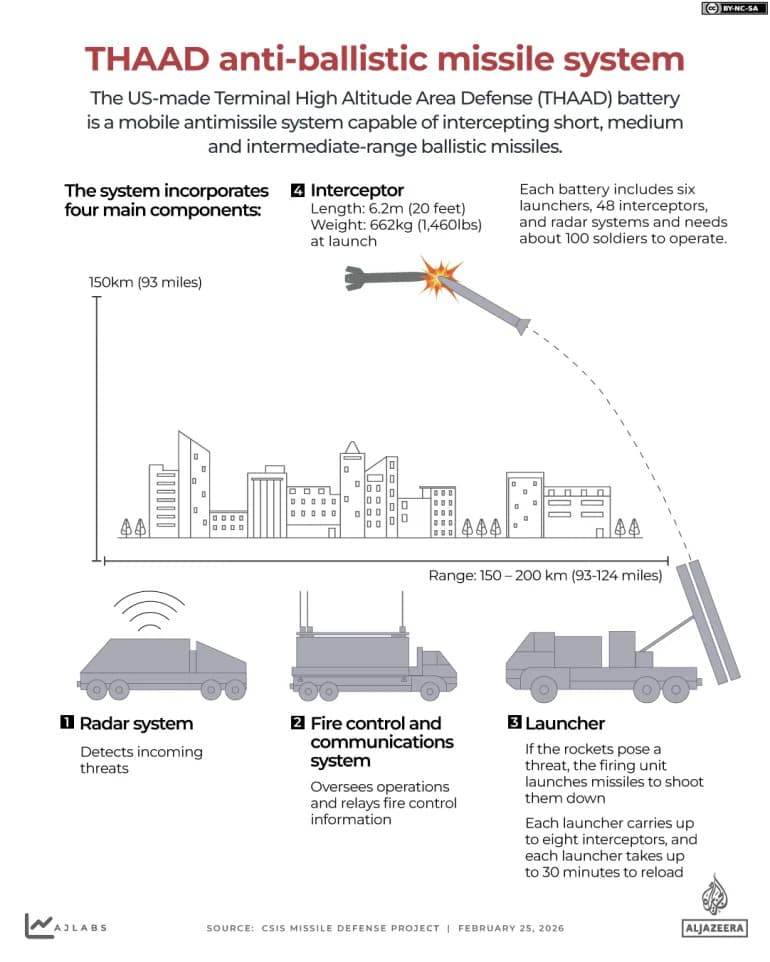
- Patriot and THAAD missile-defence systems, plus counter-drone measures
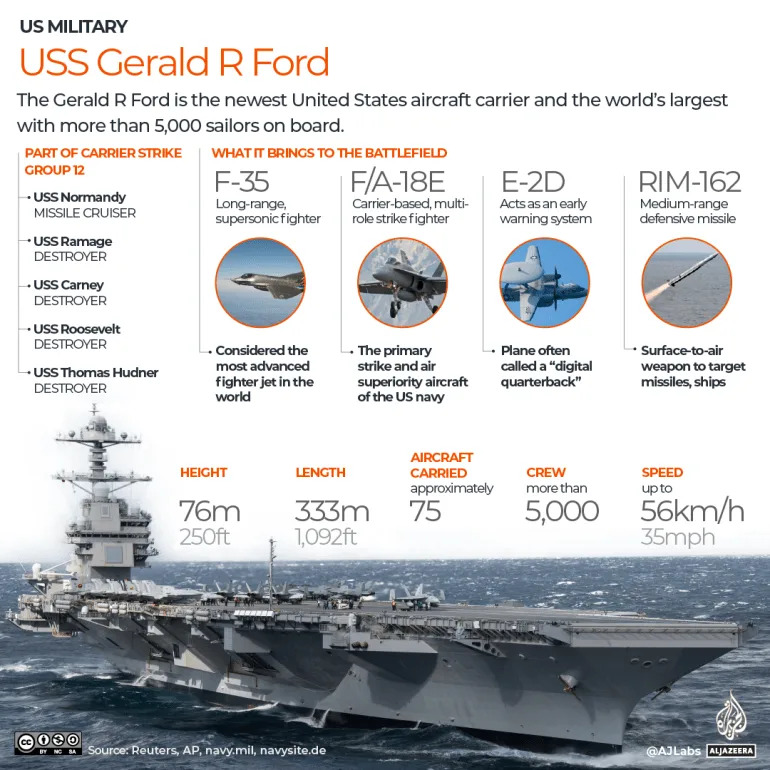
- Two carrier strike groups (USS Gerald R. Ford and USS Abraham Lincoln), P-8 maritime patrol aircraft, and strategic lift/tanker aircraft for logistics
Estimated Financial Costs
Estimating the full cost of an ongoing campaign is challenging. Multiple sources offer early, provisional figures: Anadolu estimated roughly $779 million in direct combat spend during the first 24 hours, while pre-strike repositioning and build-up were reported at about $630 million. Brown University’s 2025 Costs of War report notes roughly $21.7 billion in US military aid to Israel since October 7, 2023, and an additional $9.65–$12.07 billion in US operations supporting Israel across the region — putting total US spending connected to the broader conflict so far in the range of $31.35–$33.77 billion.
INTERACTIVE-FORD-1-1701179927-1772505067
Operational costs vary: the Center for New American Security estimates operating a carrier strike group at roughly $6.5 million per day, while individual weapons, sorties and naval operations add significant incremental costs.
Inventory and Sustainability Concerns
Many experts caution that budgetary capacity is not the only constraint. The US defence budget is large, but stockpiles of specific interceptors and missiles — Patriot interceptors, SM-6s and other interceptors — are finite and take time to replenish. High interception rates during sustained operations can deplete inventories and strain manufacturing and global allocations for other theatres, including commitments to Ukraine and the Indo-Pacific.
Christopher Preble of the Stimson Center and other analysts have warned that interception rates and weapons consumption could become limiting factors if strikes and retaliatory launches continue at a high tempo for weeks.
Equipment Losses and Logistics
Besides consumables like missiles, the campaign has already seen aircraft losses in a reported friendly-fire incident over Kuwait, highlighting replacement and maintenance pressures. Logistics — from aerial refuelling to munitions resupply and ship sustainment — will continue to be major cost drivers if operations persist.
What Comes Next
Leaders have signalled the operation could last weeks, but the ultimate scale and duration remain uncertain. Analysts say the financial costs are manageable within the broader US defence budget, but operational tempo, weapons inventory and political considerations will shape how long sustained strikes can continue.
"The question is about the actual inventory of weapons in the US arsenal, especially interceptors," analysts say — a reminder that fiscal capacity does not eliminate logistical or industrial constraints.
Help us improve.