
Israel struck Hezbollah-controlled neighborhoods in Beirut after missiles and drones were launched toward Israeli territory; the IDF said projectiles from Lebanon fell in open areas. Israeli and U.S. strikes on Iranian targets prompted Iranian retaliatory attacks across several Gulf states, causing diplomatic fallout, civilian casualties and regional unrest. Gulf nations condemned the strikes and called emergency meetings, while the situation remains volatile with the potential for further escalation.
Israel Strikes Hezbollah Areas in Beirut After Cross-Border Attacks; Tensions Escalate Across Gulf
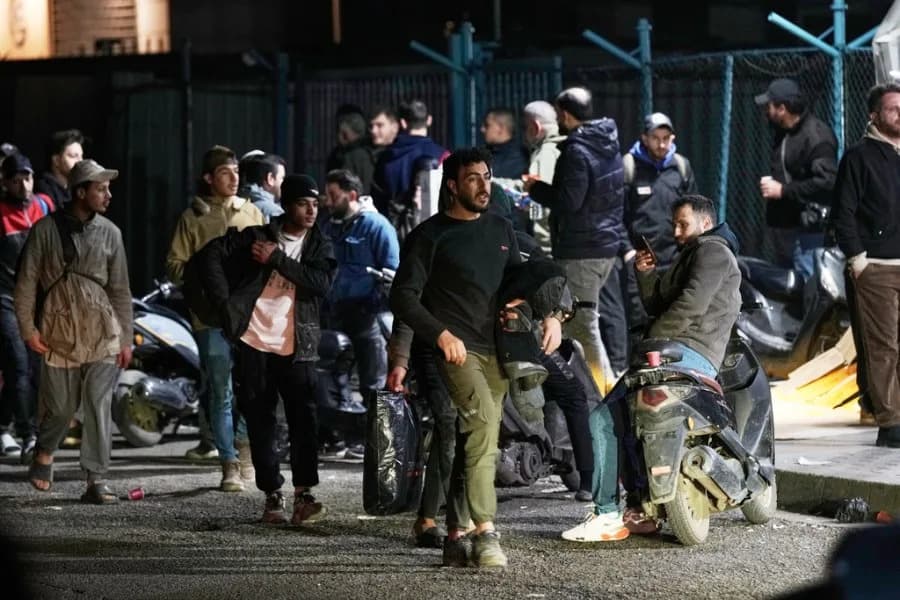
Projectiles from Lebanon fell into open areas, Israel says after targeting Hezbollah
Israel launched airstrikes into the southern suburbs of Beirut after an Iran-backed militia group claimed responsibility for launching missiles and drones toward Israeli territory. The Israel Defense Forces (IDF) said projectiles fired from Lebanon fell in open areas and that no sirens were activated in accordance with established protocol.
What Happened
Hezbollah issued a statement saying its actions were carried out in retaliation for the reported killing of Iran’s Supreme Leader, Ayatollah Ali Khamenei, and for what it called “repeated Israeli aggressions.” Israel’s Chief of the General Staff, Lieutenant General Eyal Zamir, warned Hezbollah that it was "fully responsible for any escalation."
The IDF posted on X that it had struck and destroyed what it described as the headquarters of the Iranian regime in central Tehran. Israeli military statements said operations also targeted ballistic missile sites and air-defense systems as part of efforts to reduce the threat to Israeli civilians.
Regional Strikes and Retaliation
U.S. and Israeli forces reportedly conducted coordinated strikes on Iranian targets, and Iran responded with missile and drone attacks that struck—or were aimed at—Gulf countries hosting U.S. bases, including Saudi Arabia, Qatar, the United Arab Emirates, Bahrain, Kuwait and Jordan. Gulf governments condemned strikes on their territories and called emergency meetings to discuss the fallout.
Israeli officials said they carried out heavy airstrikes on Hezbollah-controlled neighborhoods in Beirut’s southern suburbs (Dahiyeh), producing dozens of explosions and the most intensive assaults on the area since the 2024 Israel–Hezbollah war. Lebanese security sources reported multiple strikes and urged evacuations in vulnerable areas.
Casualties, Damage and Disruptions
Regional reports included limited damage from an unmanned aerial vehicle in Cyprus and maritime incidents in which an oil tanker in the Strait of Hormuz was reportedly attacked, wounding four crew members. Bahrain’s authorities said intercepted missile debris started a fire on a foreign ship in Al Hidd that killed one person and injured two others.
An Iraqi Shiite militia, Saraya Awliya al-Dam, claimed responsibility for a drone attack targeting U.S. forces at Baghdad’s airport. Protests and violent demonstrations also broke out in parts of the region, including an attack on the U.S. Consulate in Karachi, Pakistan, where windows were smashed.
Diplomatic and Military Responses
The United Arab Emirates announced the temporary closure of its embassy in Tehran and the withdrawal of diplomatic staff. Top Gulf diplomats held an emergency virtual meeting and condemned attacks that they said violated their sovereignty; a coalition of regional states issued a joint statement denouncing strikes that endangered civilians and infrastructure.
U.K. Prime Minister Keir Starmer said Britain would not participate directly in strikes on Iran but agreed to allow U.S. use of U.K. bases for operations against Iranian missile capabilities. Former U.S. President Donald Trump warned that any further escalation would prompt a severe response.
"You have crossed our red line and must pay the price," Iran’s parliamentary speaker Mohammad Bagher Ghalibaf said in a televised address, vowing further retaliation.
This confrontation remains fluid. Governments, militaries and civilian authorities across the region are closely monitoring developments as diplomatic efforts and defensive measures continue.
Sources: Official statements from the IDF and regional governments, eyewitness accounts from Beirut, and reports from international news agencies.
Help us improve.





















