
Abbas Araghchi said Iran could name a new supreme leader within one or two days after forming a three-member transitional council following the killing of Ayatollah Ali Khamenei. Tehran has declared a 40-day mourning period and Iranian emergency services report at least 201 dead. Araghchi described the assassination as a major violation of international law as strikes and retaliatory incidents spread across the Gulf, raising the risk of wider regional escalation.
Iran Says New Supreme Leader Could Be Chosen Within Days After Khamenei's Killing
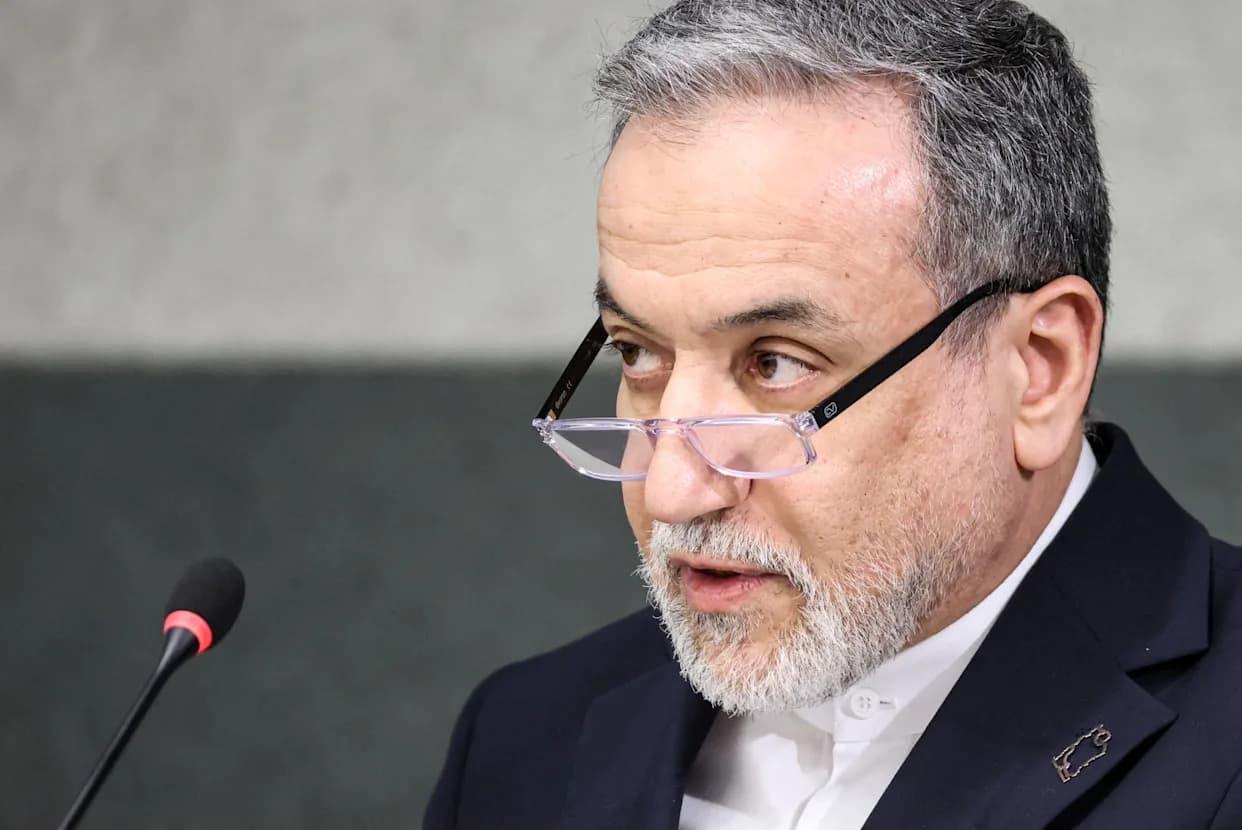
Iran's Foreign Minister Abbas Araghchi told Al Jazeera that the strike against the country's supreme leader was 'unprecedented'[File: Reuters/Pierre Albouy]
Iran's foreign minister, Abbas Araghchi, told Al Jazeera that a new supreme leader could be selected within "one or two days" after a three-member transitional council was established, as Tehran entered a 40-day mourning period following the killing of Ayatollah Ali Khamenei in what Iranian officials describe as joint US–Israeli strikes.
Succession Process Underway
Araghchi said the constitutional mechanism for succession had already been activated. He described the transition council as a three-member body composed of the president, the head of the judiciary and a jurist from the Guardian Council, which will hold interim authority until the Assembly of Experts elects a permanent successor.
President Masoud Pezeshkian confirmed in a prerecorded address that the council "has begun its work," condemned Khamenei's killing as "a great crime" and announced seven public holidays to coincide with the 40-day mourning period.
Casualties and Context
Iranian emergency services reported at least 201 deaths in the strikes, including senior security figures and members of Khamenei's family, according to state media. Iran attributes the strikes to the United States and Israel; those claims have been strongly rejected by the accused parties and remain subject to independent verification.
How a New Leader Is Chosen
The constitution vests the authority to appoint a new supreme leader in the Assembly of Experts, a clerical body of 88 members elected by the public. That assembly can choose a successor by a simple majority vote. The procedure was last used in 1989 following the death of Ayatollah Ruhollah Khomeini, when Ali Khamenei was elevated to the position.
Reactions and Escalating Tensions
Araghchi called the assassination "absolutely unprecedented and a major violation of international law," warning that it had made the regional conflict "even more dangerous and more complicated." He said Khamenei was a religious figure for millions beyond Iran and pointed to protests in countries such as Iraq and Pakistan.
"The transition council is established... Maybe in one or two days, they will elect a new leader for the country," Araghchi told Al Jazeera.
Parliamentary speaker Mohammad Bagher Ghalibaf issued a stark warning in a televised address, saying, "You have crossed our red line and must pay the price," and threatening severe retaliation.
Military Developments and Regional Impact
The interview came as Iran reported strikes or incidents across the Gulf, with reports of attacks or related incidents in Dubai, Doha, Manama and the Omani port of Duqm. Araghchi said the incident in Oman "was not our choice" and that Iran's armed forces were operating under general orders to be careful about target selection.
Araghchi rejected suggestions that the strikes achieved their objectives, saying, "There is no victory in this war. They have not been able to achieve their targets, and they will not be able to achieve their targets in the coming days," and drew parallels with a previous 12-day confrontation last June.
International Response
US officials warned that further retaliation could escalate the conflict. Diplomatic contacts between Tehran and regional capitals were described by Araghchi as "direct," with some neighbors expressing anger or concern. Araghchi urged Gulf states not to pressure Iran to stop fighting but to press the other side instead.
Note: Many details remain contested and are reported by Iranian state sources; independent verification may be limited in the immediate aftermath of the strikes.
Help us improve.





















