
Summary: Since the 1979 revolution, Iran has repeatedly targeted Americans directly or through proxies, using kidnappings, bombings, hijackings, weapons transfers and cyber operations. Key episodes include the 444-day U.S. embassy hostage crisis, the 1983 Beirut embassy and Marine barracks bombings, the TWA 847 hijacking, and later proxy attacks in Iraq that contributed to hundreds of U.S. casualties. U.S. responses have ranged from military strikes and sanctions to criminal indictments and law enforcement disruptions of plots on American soil.
From Hostages to Plots: Iran’s Nearly 50-Year Campaign Targeting Americans
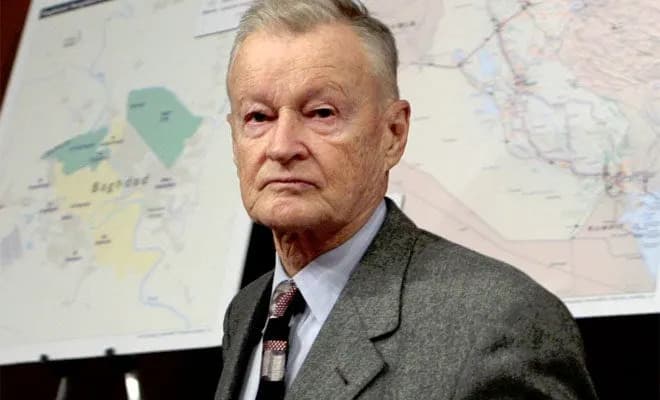
From hostage crisis to assassination plots: Iran’s near half-century war on Americans
After the 1979 revolution that toppled Shah Mohammad Reza Pahlavi, Iran’s relationship with the United States shifted dramatically. Over almost five decades, Tehran and Iran-linked groups have been implicated in a range of attacks, kidnappings, hijackings, cyber intrusions and assassination plots that targeted U.S. citizens, service members and diplomatic personnel either directly or through proxies.
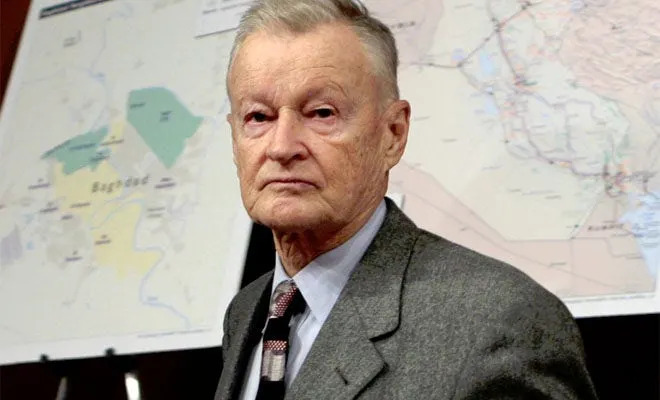
National security advisor Zbigniew Brzezinski(Reuters)
1979 Revolution and the U.S. Embassy Hostage Crisis
The confrontation began in earnest when radical students and clerics ousted the shah and installed an Islamic republic. In November 1979, the group calling itself the Muslim Student Followers of the Imam’s Line seized the U.S. embassy in Tehran, holding 52 Americans for 444 days. The crisis ended in January 1981 and precipitated a long rupture in diplomatic relations.
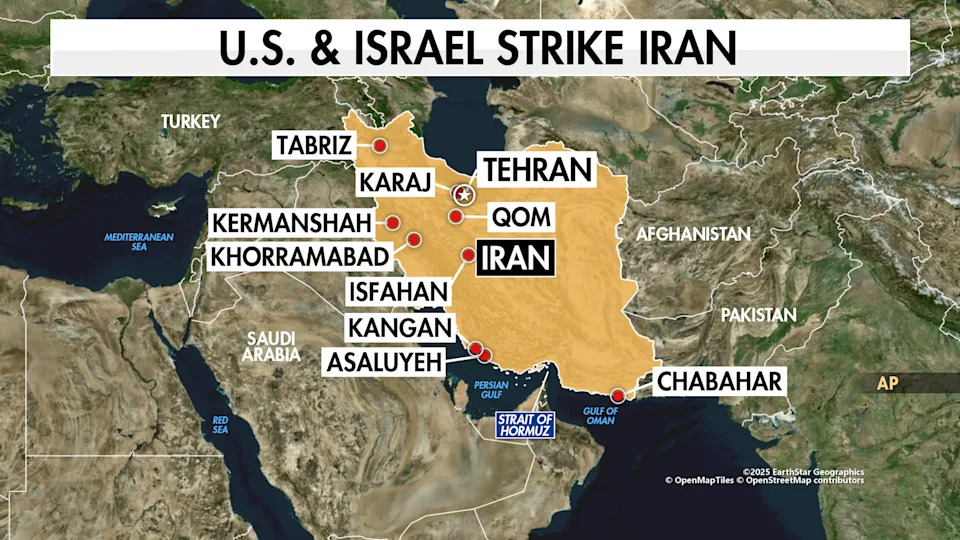
A map of Western strikes against Iran
1980s: Lebanon, Bombings and Kidnappings
During the 1980s, Iran’s expanding regional role—often via the Islamic Revolutionary Guard Corps (IRGC) and allied militias—helped forge and fund proxy groups in Lebanon. Iran-backed Hezbollah and related networks were linked to high-profile attacks that targeted Americans and other Westerners, including:
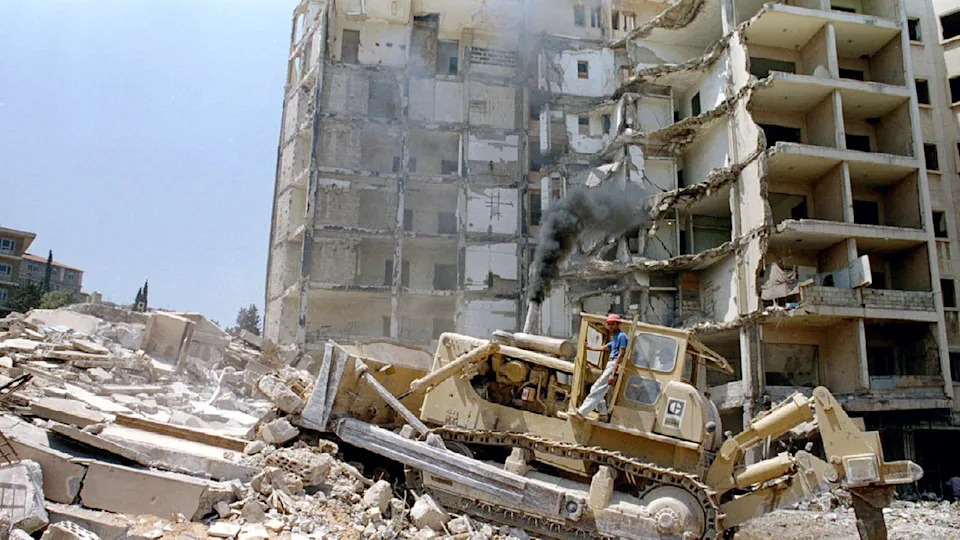
Iran bombed the Beirut U.S. Embassy in 1983.
- The 1983 bombing of the U.S. embassy in Beirut (63 killed, including 17 Americans).
- The October 1983 suicide truck bombing of the U.S. Marine barracks in Beirut (241 U.S. service members killed).
- The 1985 hijacking of TWA Flight 847 and the murder of U.S. Navy Seabee Robert Stethem.
Several Western hostages were held for years; CIA Beirut station chief William Buckley died in captivity in 1985 after reported medical experimentation and abuse. Many participants and planners were later the targets of U.S. intelligence and counterterrorism operations.
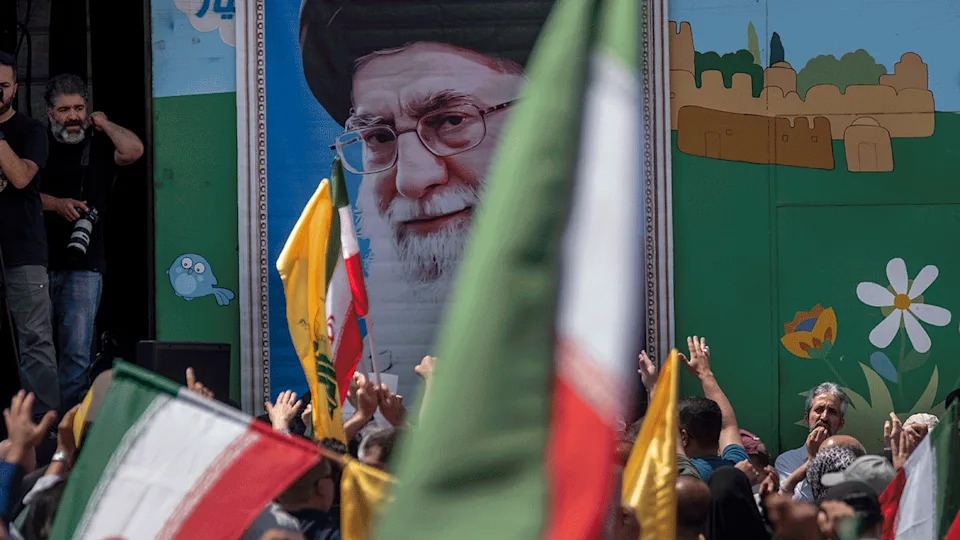
Iranian worshippers hold up their hands as signs of unity with Ayatollah Ali Khamenei, during a rally to condemn Israel's attacks on Iran, in downtown Tehran, on June 20, 2025.
1990s–2000s: Attacks, Legal Findings and Growing Proxy Warfare
Iranian links to terrorism and support for militant groups continued in subsequent decades. The 1996 Khobar Towers bombing in Saudi Arabia and court findings that linked Iran indirectly to the 2000 USS Cole attack are among incidents that prompted legal and diplomatic repercussions. U.S. courts and investigative bodies have at times determined that Iran provided training, funding, or logistical support to groups that struck American targets.
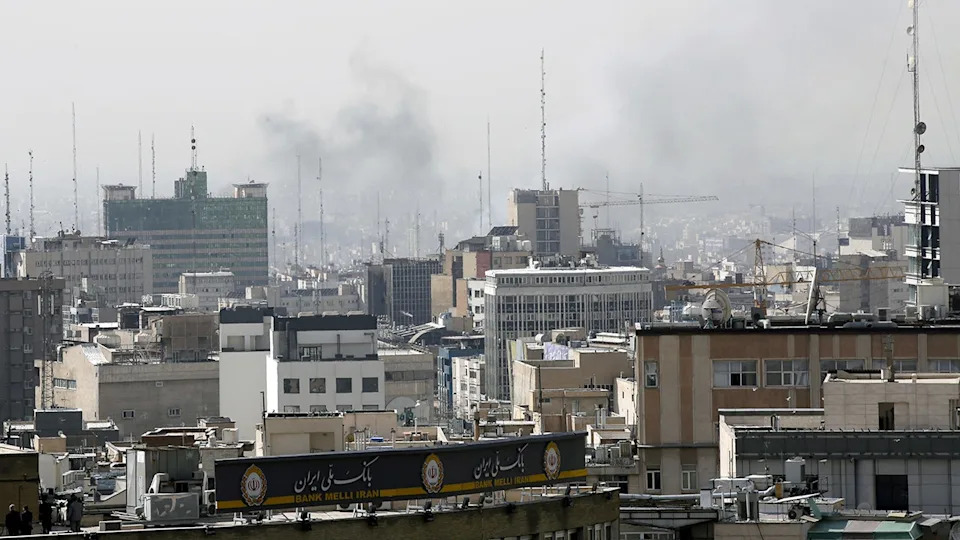
Bombing occurs in Tehran, Iran on Feb. 28, 2026.
Iraq War: Weapons, Proxies and U.S. Casualties
During the Iraq War, U.S. officials attributed a substantial number of American casualties to weapons and materiel supplied to Shia militias by Iran or Iran-linked intermediaries. In 2019 the Department of Defense revised its estimate, attributing more than 600 U.S. troop casualties to activity tied to Iran or its proxies—roughly one in six U.S. combat losses in Iraq.
Cyberattacks, Plots on U.S. Soil, and Recent Escalations
Beyond kinetic attacks, Iran and IRGC-linked actors have been accused of cyberintrusions and disruption attempts, including indictments in 2016 for hacking activity. U.S. law enforcement has also disrupted alleged plots originating from or directed by IRGC actors, such as a 2011 scheme to target the Saudi ambassador in Washington and more recent alleged plots to target U.S.-based critics of the Iranian regime and other public figures.
After the U.S. strike that killed IRGC Quds Force commander Qassem Soleimani in 2020, Iran launched missile strikes against bases housing U.S. forces in Iraq. More recently, regional attacks by Iran-backed groups following the October 2023 Hamas-Israel war included strikes that killed U.S. service members and wounded others.
U.S. Responses
U.S. responses have combined diplomacy, sanctions, military strikes, intelligence operations and criminal prosecutions. Governments, courts and international bodies have at times held Iran or Iran-linked organizations accountable, while U.S. agencies continue to pursue plots and cyber threats tied to the Islamic Republic and its proxies.
Context and Sources
This summary synthesizes publicly reported incidents and findings from U.S. government agencies, court rulings, independent policy groups and media reporting. Some figures and attributions remain contested and are the subject of ongoing investigations and legal action.
Note: Quotations and claims in the original reporting (including strong language used by some commentators) have been retained where attributable, and this article focuses on documented incidents and official findings while noting areas of dispute.
Help us improve.





















