
The SBA has launched a Deregulation Strike Force, led by its Office of Advocacy, to review and roll back federal rules it says have increased costs for families and small businesses. Officials estimate roughly $6 trillion in cumulative compliance costs and say the effort will target sectors including housing, healthcare, agriculture, energy and transportation. The agency also says it has eliminated about $98.9 billion in regulations since President Trump returned to office and cites nearly $200 billion in savings from specific changes.
SBA Launches 'Deregulation Strike Force' to Roll Back Federal Rules Cited for Driving Up Costs

SBA Administrator Kelly Loeffler will oversee the new initiative aimed at cutting regulations in order to relieve prices.
The Small Business Administration (SBA) has launched a new Deregulation Strike Force, led by its Office of Advocacy, to review and seek rollbacks of federal regulations the agency says have increased costs for American families and small businesses.
What The Strike Force Will Do
The initiative will coordinate a government-wide review to identify rules that the SBA believes hinder economic growth and raise consumer prices. Officials framing the effort say it targets what they characterize as excessive regulations from the previous administration, which they estimate have created substantial compliance costs for households and small firms.

A customer holds a shopping basket at a grocery store.
“Through our Deregulation Strike Force, SBA is leveraging its unique authority to deregulate across the federal government and cut senseless red tape that drove up costs for small businesses and consumers,” the agency quoted SBA Administrator Kelly Loeffler as saying.
Sectors In Focus
The SBA said the strike force will focus on regulatory rollbacks across industries important to small businesses and consumers, specifically naming:
- Housing and construction
- Healthcare
- Agriculture and food production
- Energy and utilities
- Transportation and logistics
- Other goods and services across the supply chain
The agency argues the campaign reinforces broader policy goals to reduce costs and improve affordability, and positions regulatory relief as a tool to address elevated prices nationwide.
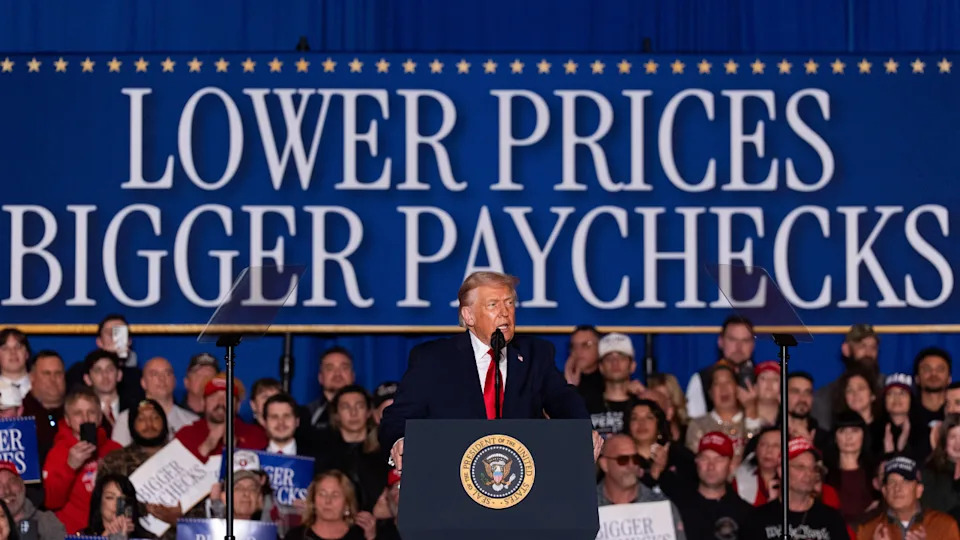
President Donald Trump speaks on inflation at Mount Airy Casino Resort in Mount Pocono, Pennsylvania, U.S., on Tuesday, Dec. 9, 2025.
Numbers and Context
Officials cited in the announcement claim that recent regulations imposed roughly $6 trillion in cumulative compliance costs on American families and small businesses. The SBA also said it has helped eliminate an estimated $98.9 billion in federal regulations since President Trump returned to office and pointed to nearly $200 billion in total regulatory savings tied to specific changes, including reporting adjustments and modifications to energy-efficiency and diesel-exhaust-fluid rules.
These figures are presented by the SBA and administration officials; independent verification and broader economic assessments may differ. Observers note that estimating regulatory costs and benefits can be complex and often involves differing methodologies and assumptions.
What To Watch
The Deregulation Strike Force is expected to issue recommendations after its review and to coordinate with other federal agencies to pursue proposed rollbacks. Stakeholders across targeted sectors — from builders and farmers to healthcare providers and utilities — are likely to watch the process closely for both immediate and longer-term impacts on costs, compliance burdens, and consumer protections.


