
James “Jim” Riches spent six months at Ground Zero searching for his son, Jimmy Jr., a Ladder 114 firefighter who died on 9/11. Decades of toxic exposure and a severe respiratory crisis in 2005 left Riches with lasting lung damage; he died at 74 from 9/11-related illness. A longtime advocate, he helped secure the World Trade Center Health Program and the 9/11 Victim Compensation Fund and remained a tireless supporter of affected families and sick first responders.
He Spent Six Months Searching Ground Zero For His Son — Decades Later 9/11 Took Him Too

FDNY Battalion Chief James Riches, left, and other firefighters at Ground Zero during recovery efforts following the 9/11 terrorist attack. - Todd Maisel/NY Daily News Archive/Getty Images
On September 11, 2001, as the second World Trade Center tower collapsed, then-FDNY Battalion Chief James “Jim” Riches raced to Ground Zero. His eldest son, Jimmy Riches Jr., a firefighter assigned to Ladder 114 from Brooklyn’s Sunset Park, was working with Engine Company 4 and was last seen carrying an injured woman from the North Tower lobby.
Search, Discovery and Immediate Aftermath
Rather than celebrating Jimmy Jr.’s 30th birthday the next day, Riches spent six months combing through twisted steel, rubble and ash—risking his own safety—to find the son who had followed him into the fire service. Jimmy Jr. was one of 343 firefighters who died responding to the attacks. In March 2002 workers found his crushed helmet marked Ladder 114 and recovered his remains nearby. Riches and his sons carried him out of the pit at Ground Zero and placed him on a stretcher wrapped in an American flag.
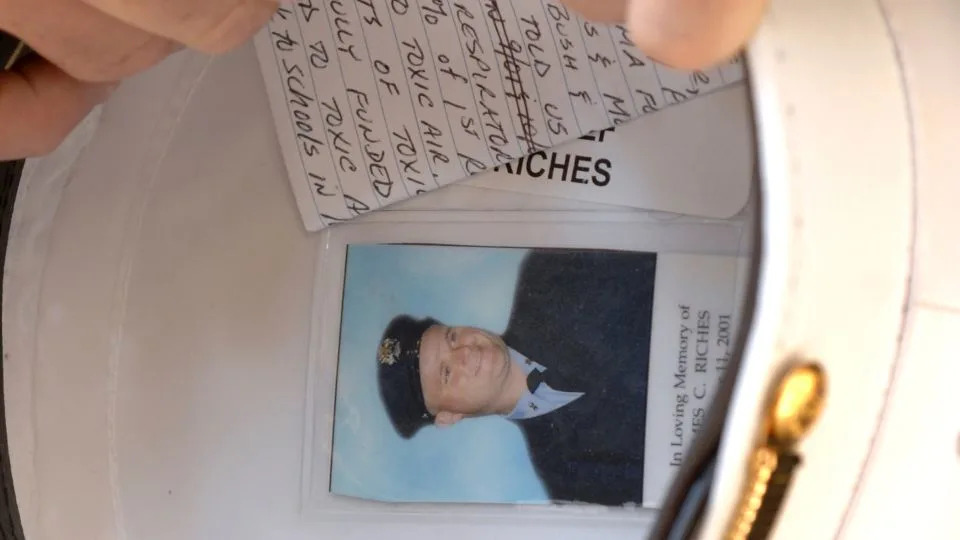
FDNY Deputy Chief James Riches holds his hat, which contains a picture of his son, Jimmy Jr., an FDNY firefighter whom he found in the rubble of the World Trade Center on March 25, 2002. - Tom Williams/CQ-Roll Call, Inc./Getty Images
“A whole crew of us got down there on our hands and knees and we dug, you know, with our hands,” Riches said in earlier interviews.
Health Toll and Long-Term Effects
When the towers and nearby buildings collapsed, a dense cloud of toxic dust, gases and smoke blanketed lower Manhattan and parts of Brooklyn, according to the Centers for Disease Control and Prevention. Thousands of first responders and recovery workers later developed cancers, chronic lung disease, heart conditions, digestive disorders and other illnesses linked to that exposure.
Riches himself suffered a major health crisis in 2005: after months of worsening breathlessness he was hospitalized with acute respiratory distress syndrome (ARDS) and spent 16 days in a coma. He survived but never fully recovered his lung capacity and continued to battle respiratory problems for years.
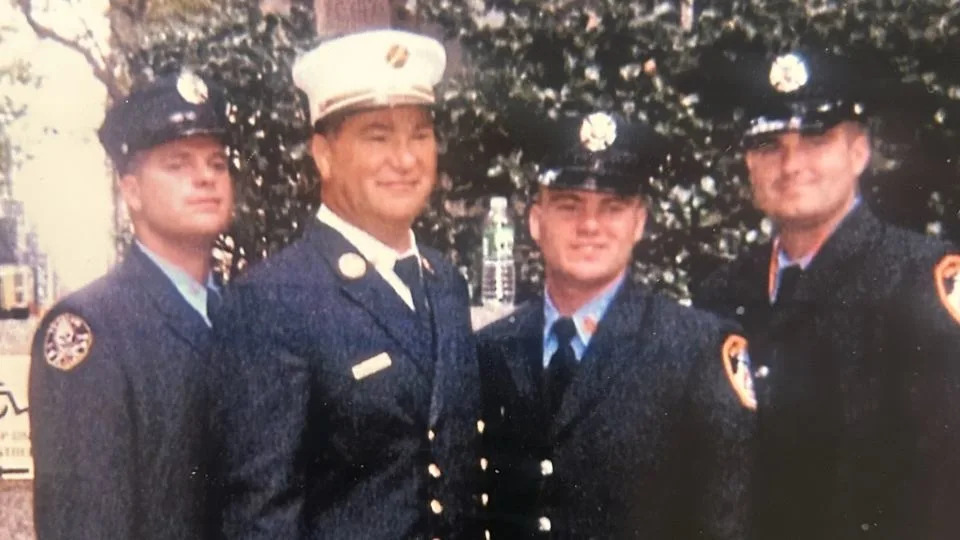
FDNY Deputy Chief James Riches, center, with his three surviving sons. From left, Timmy Riches, Thomas Riches and Danny Riches. - The Riches Family
Advocacy and Public Service
After 9/11 Riches devoted two decades to advocating for survivors, victims and families. He chaired the group 9/11 Families and Parents of Firefighters and WTC Victims, testified before Congress, met with administration officials, and helped push for the World Trade Center Health Program and the 9/11 Victim Compensation Fund. He also traveled to Guantánamo Bay to represent families at hearings related to the attacks.
Locally, Riches did not shy from criticism — publicly rebuking then–New York City Mayor Rudy Giuliani over preparedness and aging equipment, and denouncing the 9/11 Memorial Museum’s ticketing policy as a misguided approach that did not directly fund survivors or research into WTC-related illnesses.
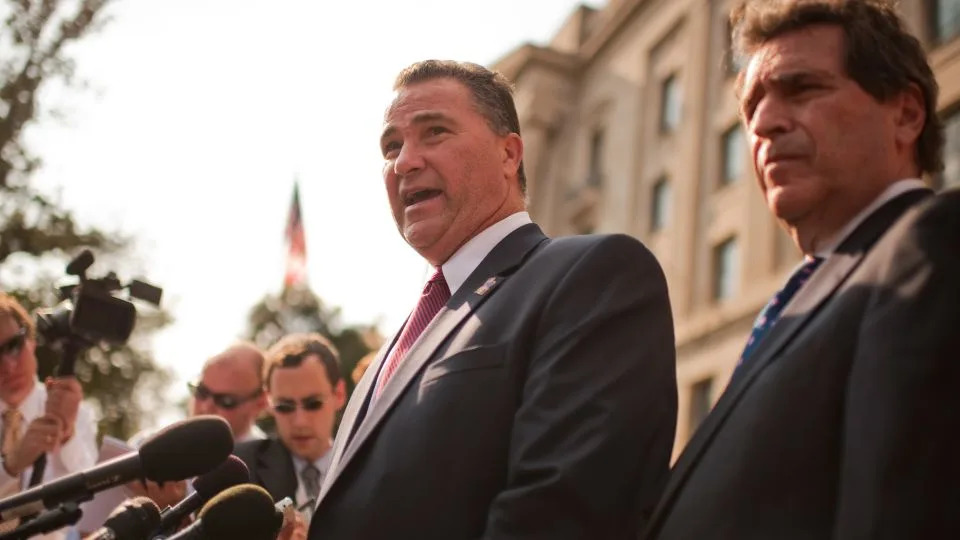
James Riches, left, and attorney Norman Siegel attend a news conference with 9/11 families outside the Justice Department following a meeting between the families and Attorney General Eric Holder. - Tom Williams/CQ-Roll Call, Inc./Getty Images
Legacy
Jim Riches retired from the FDNY in 2007 as deputy chief—the highest rank achievable without a city appointment. He was known as “Big Daddy,” often having a son at his side on and off duty, and remembered as an athlete, a relentless advocate and a devoted family man. His legacy includes scholarships in Jimmy Jr.’s name, a Dyker Heights street named for his son, and the many families and sick first responders he supported.
Twenty-four years after he began searching for his son, Riches died on Thanksgiving Day at age 74 from illnesses linked to his toxic exposure at Ground Zero, becoming one of more than 400 FDNY members to die from 9/11-related conditions. His funeral on December 1 at St. Patrick Roman Catholic Church in Bay Ridge drew large crowds who braved the rain to pay their respects.
Remembering and Resources
Riches said repeatedly that finding his son did not bring closure but that it mattered because many families had nothing at all to bury. He remained a visible presence in the community and a forceful voice for continued care and compensation for first responders.
For more information on World Trade Center–related illnesses and the World Trade Center Health Program, see the Centers for Disease Control and Prevention website.


