
On Dec. 11 the Department of Justice posted a doctored image of Franklin the Turtle on X portraying him as a "Deportation Judge" and urging "patriotic legal professionals" to apply. The image echoed an earlier altered Franklin post by Defense Secretary Pete Hegseth and drew condemnation from Franklin’s publisher, Kids Can Press. The posts arrive amid heightened debate over immigration enforcement — including a study finding nearly 75,000 people arrested by ICE had no criminal record — and a congressional hearing spotlighting deported veterans.
DOJ Posts Doctored Franklin The Turtle Image Recruiting 'Deportation Judges,' Sparking Backlash

U.S. Department of Justice/X; SAUL LOEB/AFP via GettyFranklin the Turtle depicted as a judge (left); Attorney General Pam Bondi (right)
On Dec. 11, the U.S. Department of Justice published a doctored illustration of the children’s-book character Franklin the Turtle on its official X account, portraying him as a "Deportation Judge" and urging legal professionals to apply for the role.
What the Post Said
The image mimicked the familiar Franklin book cover style and carried the mock title "Franklin Becomes a Deportation Judge." The DOJ caption read, "Franklin is helping write the next chapter of America. You can too!" and invited "patriotic legal professionals to serve as Deportation Judges," saying the work would have "generational consequences." The post concluded with a call to "Apply today!"
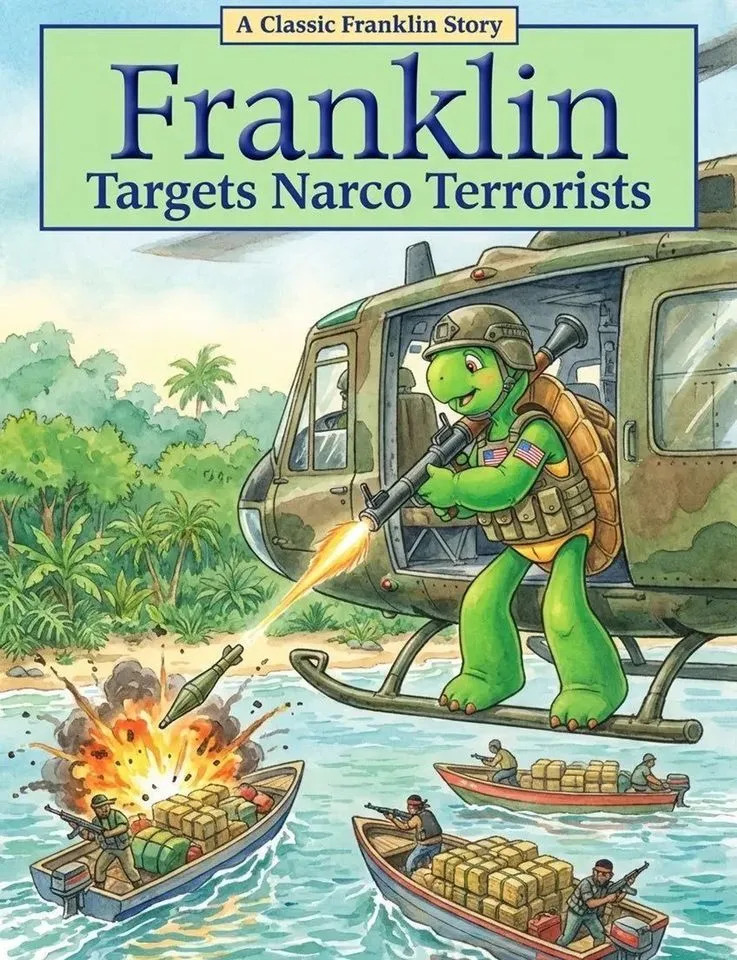
Pete Hegseth/XPete Hegseth posts image of Franklin the Turtle firing a bazooka
Earlier Use of Franklin and Publisher Response
The DOJ image echoed an earlier altered Franklin illustration shared on Nov. 30 by Defense Secretary Pete Hegseth, which showed the character firing a bazooka at a boat under the fake title "Franklin Targets Narco Terrorists." Kids Can Press, publisher of the Franklin series by author Paulette Bourgeois and illustrator Brenda Clark, publicly condemned Hegseth’s post and the DOJ’s subsequent use.
“Franklin the Turtle is a beloved Canadian icon who has inspired generations of children and stands for kindness, empathy, and inclusivity,” the publisher said. “We strongly condemn any denigrating, violent, or unauthorized use of Franklin’s name or image, which directly contradicts these values.”
Policy Context and Reaction
The DOJ post comes amid the Trump administration’s intensified focus on identifying and deporting undocumented immigrants. Administration officials have framed the campaign as targeting dangerous criminals, but a recent study reported that nearly 75,000 people arrested by U.S. Immigration and Customs Enforcement (ICE) earlier this month had no criminal record.
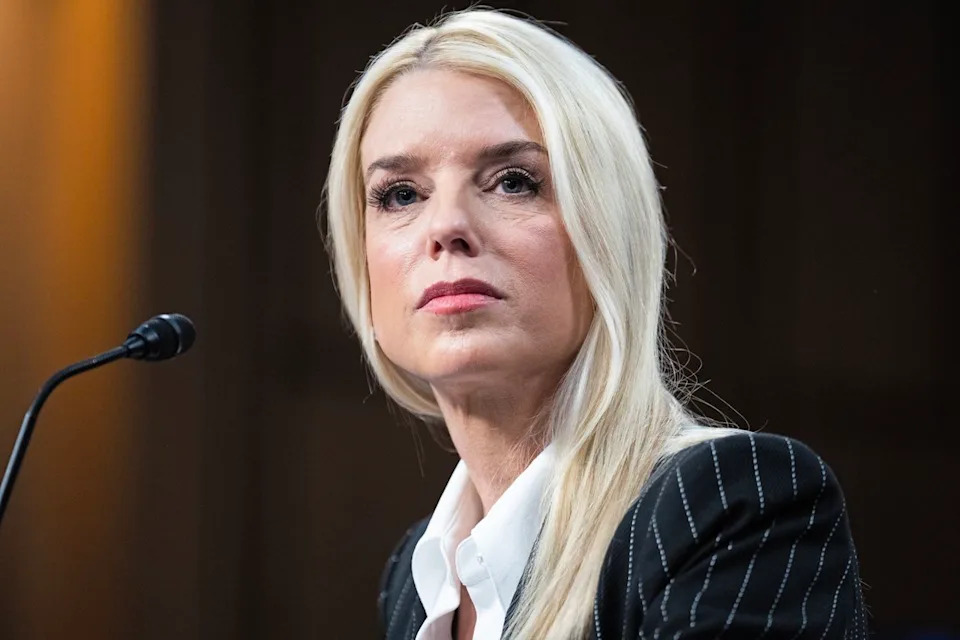
Tom Williams/CQ-Roll Call, Inc via GettyPam Bondi
Critics say the doctored Franklin images blur lines between political messaging, recruitment for government roles and the unauthorized use of a children’s-literature icon. Observers have raised concerns about the appropriateness of co-opting a beloved children’s character for aggressive or militarized messaging.
Related Congressional Hearing
The same day as the DOJ post, Homeland Security Secretary Kristi Noem faced questions at a congressional hearing about deportations of veterans. During the exchange, Rep. Seth Magaziner referenced Sae Joon Park, a U.S. Army combat veteran and Purple Heart recipient who said he was deported to Korea despite not having lived there since childhood. Noem had maintained the department "has not deported U.S. citizens or military veterans." Park’s testimony intensified scrutiny of current deportation practices.
Why This Matters
Beyond the legal and policy debates over immigration enforcement, the episode highlights tensions around government communication strategies and intellectual-property or trademark concerns when public agencies appropriate fictional characters for political or recruitment purposes.


