
Utah State University developed FlashTags, motion‑activated LED ear tags that flash in random patterns to deter predators like coyotes and wolves. Field trials expanded from one ranch to 12, and even tagging 10–30% of a herd improved livestock survival and reduced predator killings. Project partners include the USDA, state wildlife agencies and participating ranchers. Researchers say FlashTags are promising but need durability upgrades and longer‑term studies to check for habituation.
Utah State’s FlashTags Reduce Livestock Losses With Motion‑Activated Flashing Ear Tags

Utah State University researchers have developed FlashTags — motion‑activated, LED ear tags that flash in randomized patterns to deter predators and reduce livestock losses without resorting to lethal control.
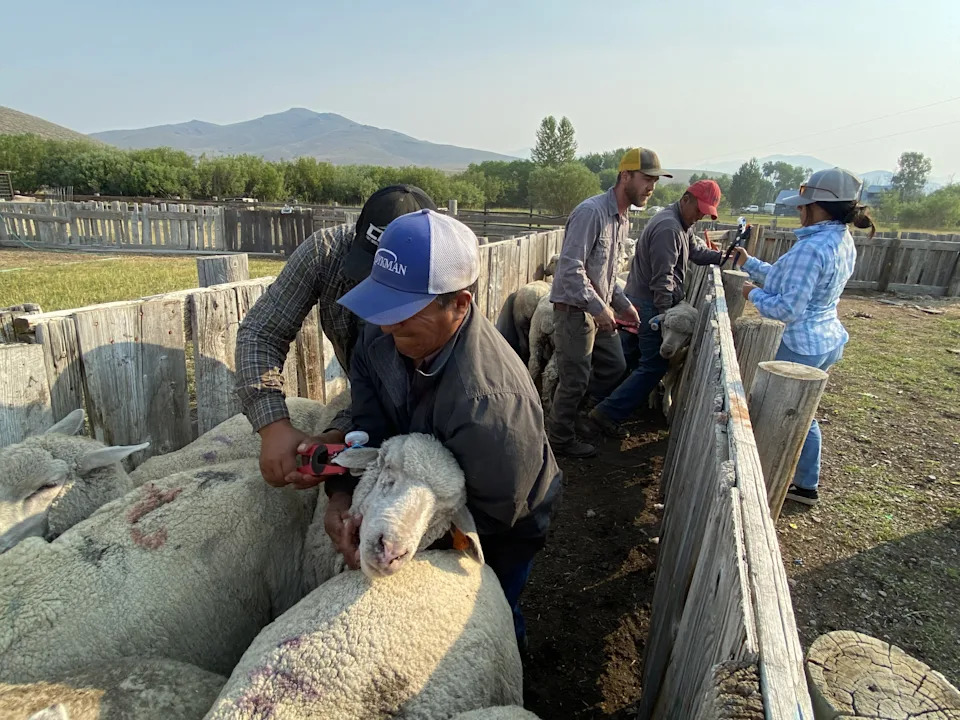
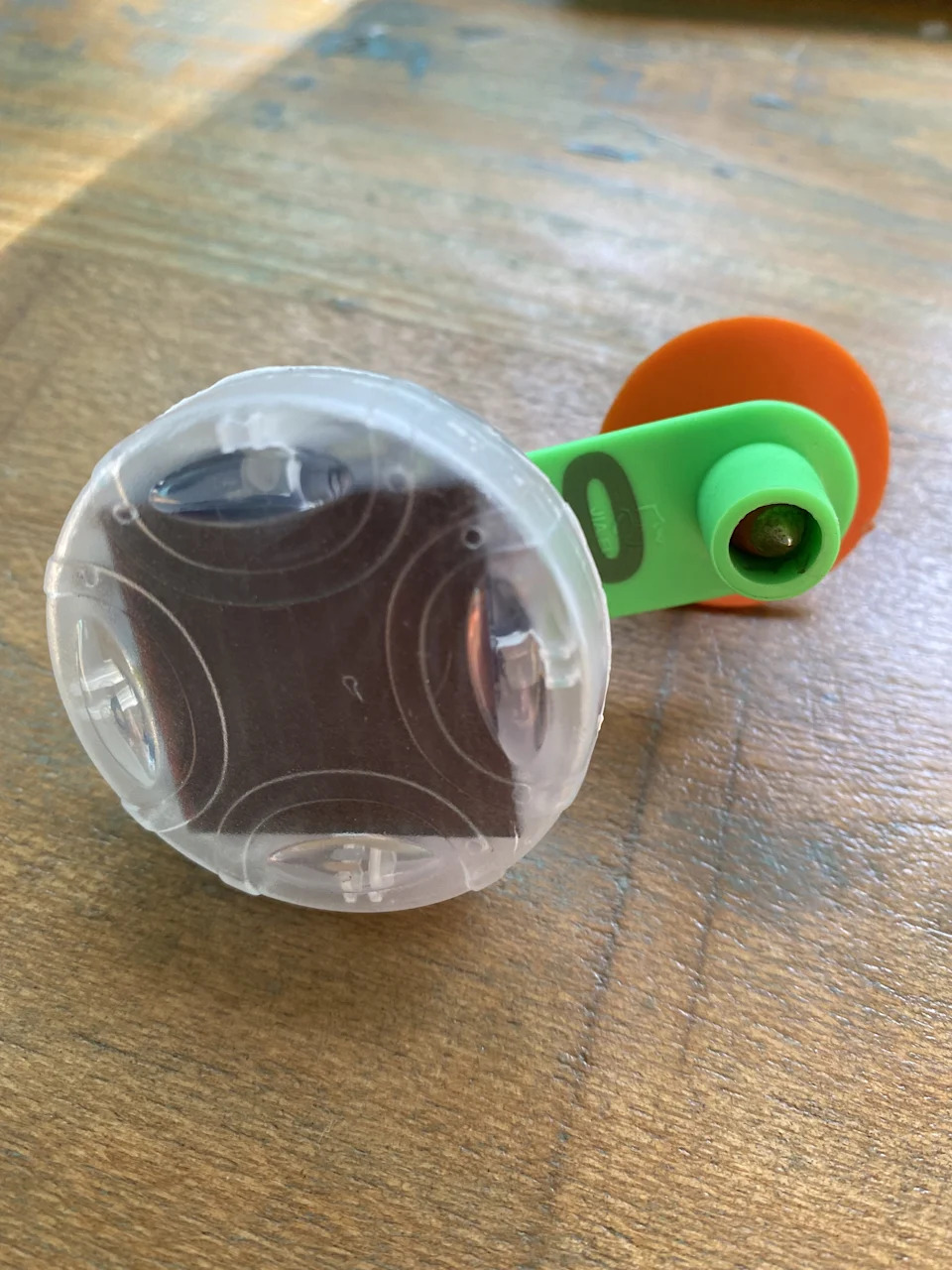
How FlashTags Work
Worn like conventional identification tags, FlashTags activate when the animal moves and emit unpredictable flashing sequences. The sudden, unfamiliar lights appear to startle or discourage predators, especially coyotes and wolves, which are the leading predators of livestock in the U.S.
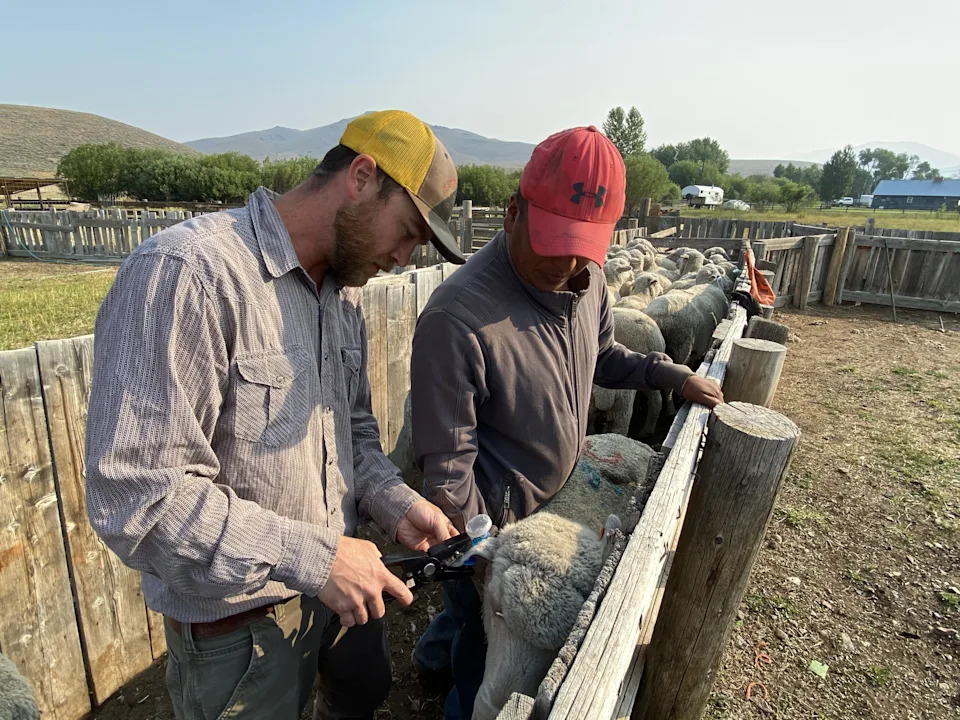
Field Trials And Results
The project began with a single‑ranch prototype test the first summer and expanded to 12 additional livestock owners the following season. Researchers found that herds with some proportion of animals wearing FlashTags experienced fewer depredation events. In many cases, tagging just 10–30% of a herd increased survival and reduced the need to kill predators.
“Wolves and coyotes are very scared of flashing lights, and so for some reason this will scare them away, at least for some period of time. We were able to make it work for an entire allotment season and reduce that depredation rate… and there’s no need to kill those carnivores,” said Julie Young, associate professor in Utah State’s Department of Wildland Resources and director of the Berryman Institute of Wildlife Damage Management.
Scope, Partners And Next Steps
Although FlashTags were designed principally for coyotes and wolves, researchers report they may also discourage mountain lions, bobcats and bears. The work was conducted in collaboration with the U.S. Department of Agriculture, Utah State University, participating ranchers and state wildlife agencies.

Investigators describe FlashTags as a promising nonlethal tool, but note two key caveats: the tags need improved durability for long‑term field use, and additional multi‑season studies are required to determine whether predators will habituate to the lights over time or if effectiveness persists.
Researchers also emphasize the value of co‑design with livestock communities: ranchers who participated in trials have expressed interest in continuing to use the devices, helping bridge the gap between research and real‑world adoption.


